



In today’s fast-paced commercial real estate landscape, the ability to craft compelling videos for mixed audiences—affordable and luxury products alike—can be a game-changer for retailers. As New Zealand's economy continues to thrive, with a projected growth rate of 3% in 2024 according to the Reserve Bank of New Zealand, the demand for effective marketing strategies becomes even more critical. This article delves into how retailers can create videos that resonate with diverse audiences, providing a practical guide with actionable insights and local context.
Future Forecast & Trends
The digital marketing realm is witnessing a significant transformation, driven by the increasing accessibility of high-quality video production tools. By 2025, it's predicted that 80% of all internet traffic will be video-based, as noted by Cisco. In New Zealand, the retail market is anticipated to grow by 4.5% annually, as reported by Stats NZ, making it essential for businesses to leverage video content to capture the attention of both affordable and luxury market segments.
1. Understanding Your Audience
To create effective videos, retailers must first understand their target audience. New Zealand’s retail landscape is diverse, with consumers seeking both affordable and luxury products. The key is to segment your audience based on factors such as age, income, and lifestyle preferences.
- Affordable Segment: Focus on value, practicality, and affordability.
- Luxury Segment: Emphasize exclusivity, quality, and status.
For instance, a study by MBIE highlighted that New Zealanders aged 25-34 are more inclined toward affordable options, while those aged 45+ prefer luxury products. Tailoring your video content to these preferences can significantly boost engagement.
2. Crafting the Right Message
Once you've identified your audience, the next step is crafting a message that resonates. For affordable products, focus on cost-effectiveness and practical benefits. Highlight features that offer value for money and solve everyday problems.
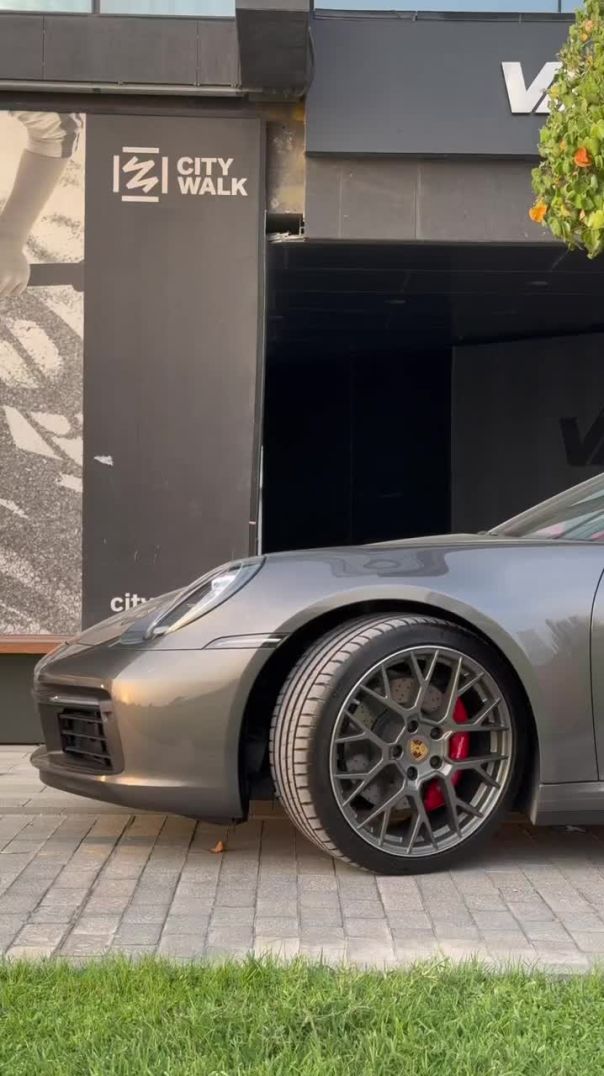
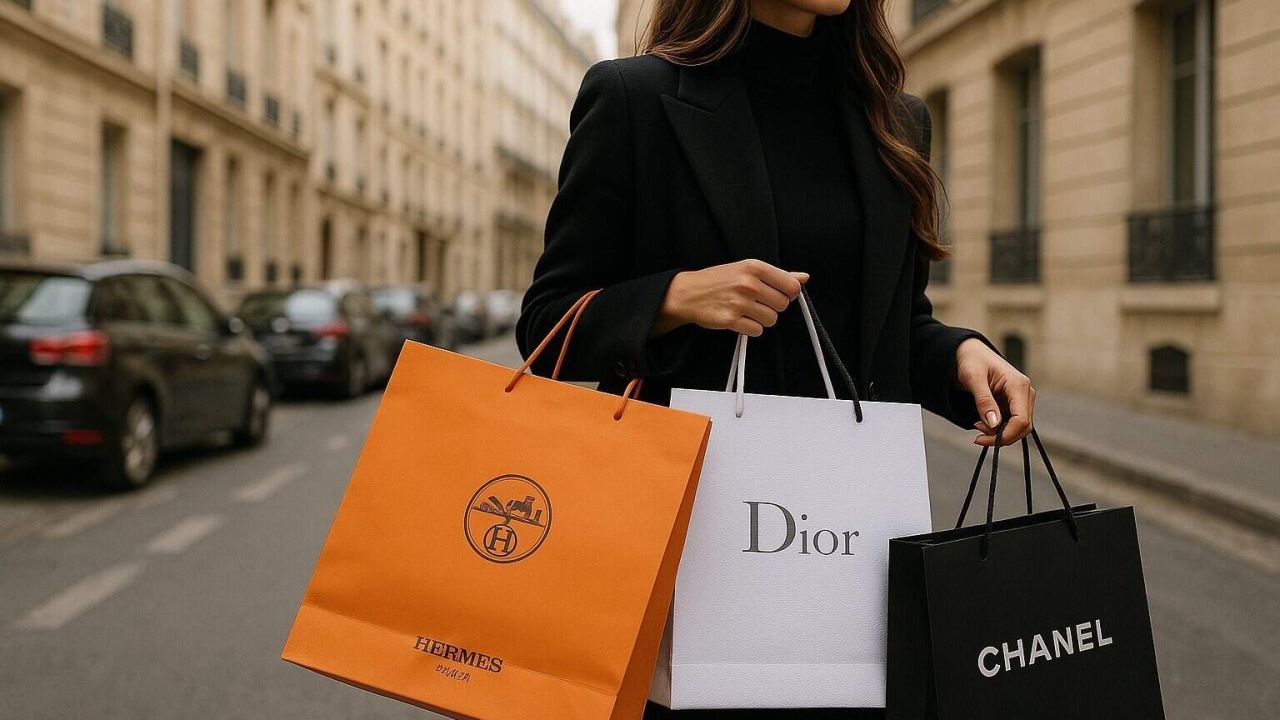
For luxury products, storytelling is crucial. Videos should evoke emotions and create an aspirational narrative. Showcase the craftsmanship, heritage, and exclusivity of the product. Luxury brands like Karen Walker have successfully captured the essence of New Zealand’s unique style in their videos, appealing to both local and international audiences.
Expert Opinion & Thought Leadership
3. Leveraging Local Influences
New Zealand’s unique cultural landscape offers a wealth of inspiration for video content. Incorporating local elements, such as Maori culture or the country's stunning natural beauty, can make your videos stand out. According to a survey by NZTech, 67% of consumers feel more connected to brands that reflect local culture and values.
4. Utilizing Technology
Advancements in technology have made video production more accessible than ever. Tools like Animoto and Canva allow retailers to create professional-grade videos without breaking the bank. For luxury brands, investing in high-end production tools can enhance the quality and appeal of their videos.
5. Measuring Success
It's essential to track the performance of your videos to gauge their effectiveness. Utilize analytics tools to monitor key metrics such as views, engagement rates, and conversions. The Reserve Bank of New Zealand suggests that businesses leveraging data-driven strategies report a 25% increase in ROI.
Debate & Contrasting Views
6. Balancing Cost and Quality
One of the ongoing debates in video production is the balance between cost and quality. Some argue that affordable videos can be just as effective as high-budget productions if the content is engaging and relatable. On the other hand, others believe that luxury products require high-quality videos to convey their exclusivity and value.
Chris Thompson, a fact-checking and misinformation analyst, suggests that the key lies in understanding your audience’s expectations. "For affordable products, authenticity and relatability are more important than production quality. However, for luxury items, the video must reflect the premium nature of the product," he notes.
7. The Role of Social Media
Social media plays a pivotal role in video distribution, with platforms like Instagram and TikTok offering unique opportunities for engagement. However, the approach varies between affordable and luxury products. Affordable products thrive on platforms that support user-generated content and community interaction, while luxury brands often focus on curated, high-quality content that reinforces their brand image.
Real-World Case Studies
Case Study: Icebreaker – Capturing the Essence of Nature
Problem: Icebreaker, a New Zealand-based clothing brand, aimed to expand its reach by highlighting its sustainable and high-quality wool products.
Action: Icebreaker created a series of videos showcasing the natural landscapes of New Zealand and the sustainable farming practices of its wool suppliers. The videos focused on the brand's commitment to quality and environmental responsibility.
Result: Within six months, Icebreaker saw a 35% increase in online engagement, with sales growing by 20% in the luxury segment.
Takeaway: Incorporating local elements and sustainability narratives can significantly enhance brand appeal for both local and international consumers.
Case Study: The Warehouse – Affordable Appeal
Problem: The Warehouse aimed to improve its brand perception and increase sales in the affordable segment.
Action: They launched a series of videos highlighting product affordability and everyday use cases, featuring real customer testimonials and DIY tips.
Result: The campaign led to a 25% increase in social media engagement and a 15% rise in sales across New Zealand.
Takeaway: Focusing on affordability and practical benefits can effectively engage cost-conscious consumers.
Common Myths & Mistakes
Myth: Luxury Products Don’t Need Marketing
Reality: Even luxury brands require strategic marketing to maintain their status and appeal. A report by Deloitte highlights that 60% of luxury consumers are influenced by online content.
Myth: High-Quality Videos Are Always Expensive
Reality: With advancements in technology, high-quality video production is now more accessible than ever. Tools like Adobe Premiere Pro and Final Cut Pro offer professional-grade features at a fraction of the cost.
Myth: Social Media Is Only for Younger Audiences
Reality: Social media platforms have diverse user bases. For instance, Facebook's largest growing demographic is users aged 65 and older, making it a valuable platform for reaching different audience segments.
Pros vs. Cons Analysis
Pros:
- Higher Engagement: Video content can capture attention more effectively than static images.
- Broad Reach: Social media platforms allow for extensive reach and targeting capabilities.
- Brand Awareness: Videos can enhance brand visibility and recognition.
Cons:
- Cost: High-quality video production can be expensive, especially for luxury brands.
- Time-Consuming: Creating and editing videos require significant time and resources.
- Potential for Low Engagement: Without a clear strategy, videos may fail to engage the target audience effectively.
Conclusion
In conclusion, creating videos for mixed audiences—affordable and luxury products—requires a strategic approach that is both data-driven and creatively inspired. By understanding your audience, leveraging local influences, and utilizing technology, retailers can craft videos that resonate with diverse consumer segments. As New Zealand’s retail market continues to evolve, staying ahead of these trends will be crucial for success.
Ready to take your video marketing to the next level? Share your thoughts and strategies in the comments below!
Related Search Queries
- How to create video content for luxury products
- Video marketing strategies for retail
- Affordable vs luxury product marketing
- New Zealand retail market trends 2024
- Influence of social media on consumer behavior
References
1. Reserve Bank of New Zealand. (2023). Economic Growth Projections. Retrieved from https://www.rbnz.govt.nz
2. Stats NZ. (2023). Retail Trade Survey. Retrieved from https://www.stats.govt.nz
3. MBIE. (2023). Consumer Preference Study. Retrieved from https://www.mbie.govt.nz
4. NZTech. (2023). Consumer Connection Report. Retrieved from https://www.nztech.org.nz
5. Deloitte. (2023). Luxury Consumer Influence Report. Retrieved from https://www.deloitte.com/nz
For the full context and strategies on How Retailers Create Videos for Mixed Audiences: Affordable vs Luxury Products, see our main guide: Product Demo Tutorial Videos Nz.