




Introduction
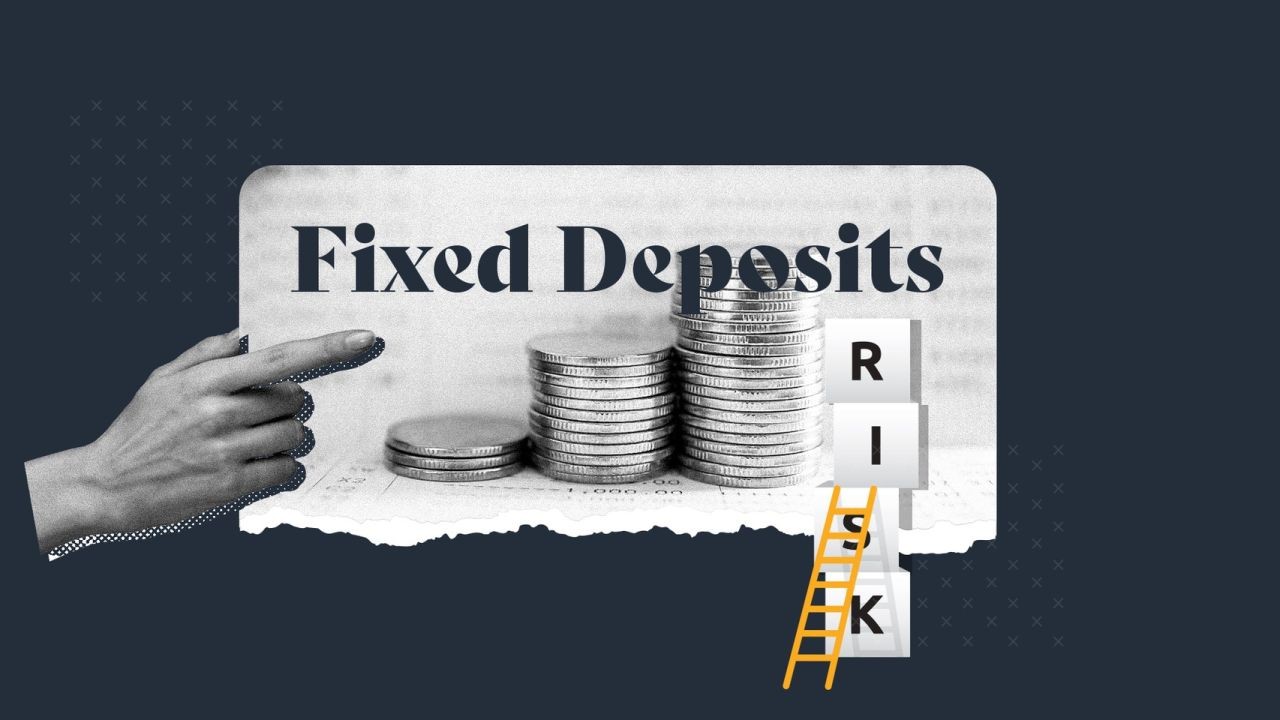
Imagine finding yourself at the intersection of financial security and sustainability, a place where your investments can thrive while also contributing to a greener future. For many Kiwis, this choice often manifests in the form of fixed deposits, a popular investment vehicle known for its stability. However, rolling over fixed deposits involves a nuanced decision-making process that requires careful consideration of various factors. In this article, we will explore the pros and cons of rolling over fixed deposits, with particular attention to the context of New Zealand's economy and sustainability goals.
New Zealand's financial landscape is unique, characterized by a strong emphasis on sustainability and responsible investing. According to the Reserve Bank of New Zealand, more than 50% of New Zealanders prioritize ethical considerations in their investment choices, highlighting a growing trend towards sustainable finance. This article will provide a comprehensive analysis of rolling over fixed deposits, offering insights tailored to the Kiwi audience.
What are your thoughts on sustainable investing? Share your views in the comments below!
How It Works (Deep Dive)
Rolling over fixed deposits essentially means reinvesting the principal and interest from a matured fixed deposit into a new fixed deposit. This process can be automated, allowing investors to continue earning interest without actively managing their funds. In New Zealand, this is a common practice among individuals seeking steady returns with minimal risk.
When you roll over a fixed deposit, you have the option to adjust the terms, such as the tenure and interest rate. The Reserve Bank of New Zealand plays a crucial role in setting interest rates, which directly impact the returns on fixed deposits. Understanding these dynamics is essential for investors aiming to maximize their returns while aligning with their sustainability goals.
Pros & Cons Evaluation
Pros of Rolling Over Fixed Deposits
- Steady Returns: Fixed deposits offer guaranteed returns, making them an attractive option for risk-averse investors. In New Zealand, interest rates on fixed deposits are relatively stable, providing a reliable income stream.
- Compounding Interest: By rolling over fixed deposits, investors can benefit from compounding interest, which can significantly increase returns over time.
- Flexibility: Investors can choose different tenures and interest rates, allowing them to tailor their investments to meet specific financial goals.
- Low Risk: Fixed deposits are considered low-risk investments, making them suitable for individuals seeking financial stability.
Cons of Rolling Over Fixed Deposits
- Inflation Risk: While fixed deposits offer steady returns, they may not keep pace with inflation, reducing the real value of the investment over time.
- Opportunity Cost: Investors may miss out on higher returns from other investment options, such as equities or real estate.
- Limited Liquidity: Fixed deposits typically have lock-in periods, and early withdrawal may result in penalties, limiting access to funds.
Case Study: New Zealand's Ethical Bank – A Sustainable Approach
Problem: Ethical Bank, a New Zealand-based financial institution, faced the challenge of aligning its investment offerings with its sustainability mission. The bank wanted to provide clients with sustainable investment options without compromising returns.
Action: Ethical Bank introduced a range of eco-friendly fixed deposits that supported renewable energy projects in New Zealand. These deposits offered competitive interest rates and the option to roll over, allowing investors to contribute to environmental initiatives.
Result: Within two years, Ethical Bank's eco-friendly fixed deposits attracted over NZD 200 million in investments. The initiative helped fund several renewable projects, reducing carbon emissions by approximately 15,000 tonnes annually.
Takeaway: This case study demonstrates the potential for aligning fixed deposits with sustainability goals. New Zealand investors can achieve financial stability while contributing to a greener future by choosing eco-friendly investment options.
Debunking Myths: Common Misconceptions
Myth: "Fixed deposits are only for retirees."
Reality: While popular among retirees, fixed deposits are also suitable for younger investors seeking stable returns and low risk.
Myth: "Rolling over deposits always leads to better returns."
Reality: Interest rates fluctuate, and rolling over deposits may not always yield higher returns, especially when inflation is considered.
Myth: "Fixed deposits contribute little to sustainability."
Reality: With the rise of ethical banking, fixed deposits can support sustainable initiatives, as demonstrated by Ethical Bank's eco-friendly offerings.
Biggest Mistakes to Avoid
- Ignoring Inflation: Failing to account for inflation can erode the real value of returns. Investors should consider inflation-protected investment options.
- Overlooking Flexibility: Not exploring different tenure options can limit potential returns. Assessing various terms can help maximize benefits.
- Neglecting Sustainability: Opting for traditional fixed deposits without considering ethical alternatives misses opportunities to contribute to positive environmental impact.
Future Trends & Predictions
As New Zealand continues to champion sustainability, the financial sector is expected to see a surge in ethical investment products. According to a 2024 report by NZ Business Insights, the demand for sustainable investment options will grow by 35% over the next five years. This trend will likely influence interest rates and the attractiveness of rolling over fixed deposits.
Moreover, technological advancements are set to revolutionize the banking sector, with digital platforms offering seamless rollover options and real-time interest rate comparisons. By 2026, blockchain technology could further enhance transparency in fixed deposit transactions, providing investors with greater confidence and security.
Final Takeaways & Call to Action
- Rolling over fixed deposits offers stable returns and compounding benefits.
- Investors should carefully consider inflation and opportunity costs.
- Sustainable investment options can align financial goals with environmental impact.
- Stay informed about interest rate trends and emerging technologies.
Are you ready to make your investments work for both your wallet and the planet? Explore sustainable fixed deposit options today and join the movement towards a greener future.
People Also Ask (FAQ)
- How does rolling over fixed deposits impact New Zealand's economy? Rolling over fixed deposits provides financial stability and supports economic growth by channeling funds into sustainable initiatives, as seen with Ethical Bank's eco-friendly deposits.
- What are the biggest misconceptions about fixed deposits? A common myth is that fixed deposits are only for retirees. However, they offer stable returns for investors of all ages.
- What are the best strategies for rolling over fixed deposits? Evaluate interest rates, consider inflation-protected options, and explore ethical investment opportunities for long-term benefits.
Related Search Queries
- New Zealand fixed deposit interest rates
- Sustainable investing in New Zealand
- Ethical banking options NZ
- Pros and cons of fixed deposits
- New Zealand inflation impact on investments
- Eco-friendly investment options NZ
- Rolling over fixed deposits benefits
- Future of banking in New Zealand
- Sustainable finance trends NZ
- Financial stability in New Zealand