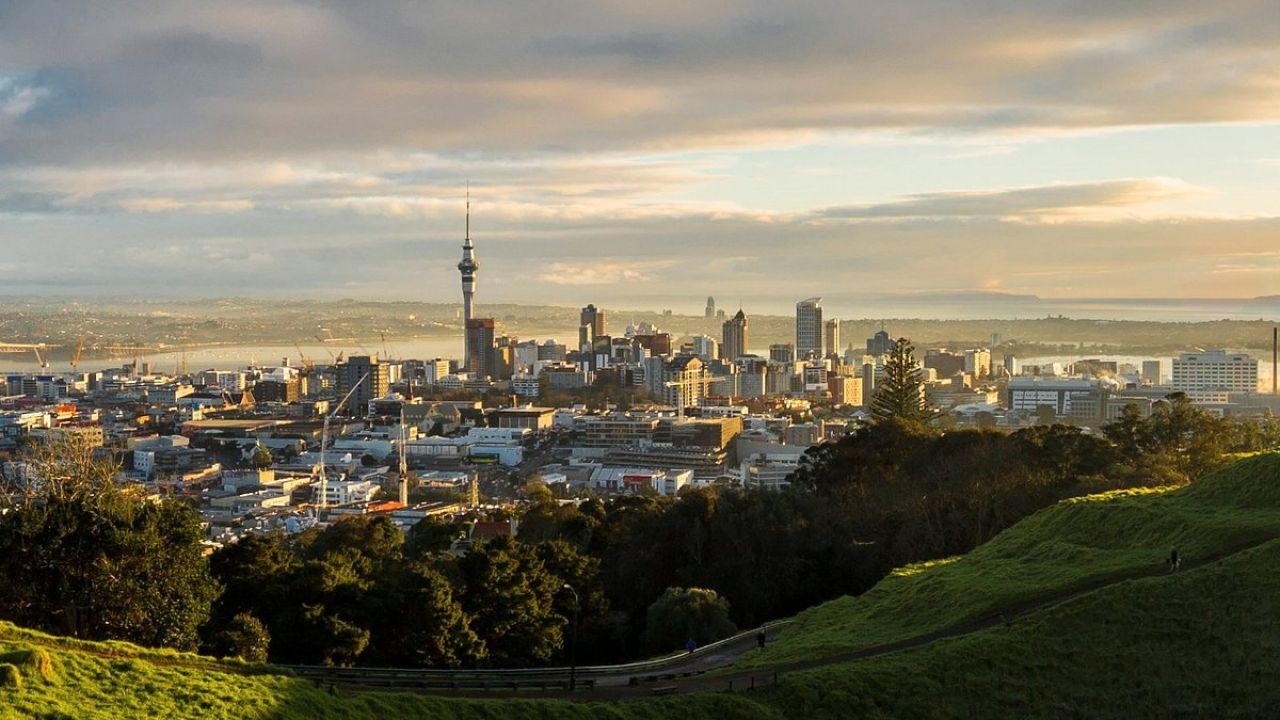






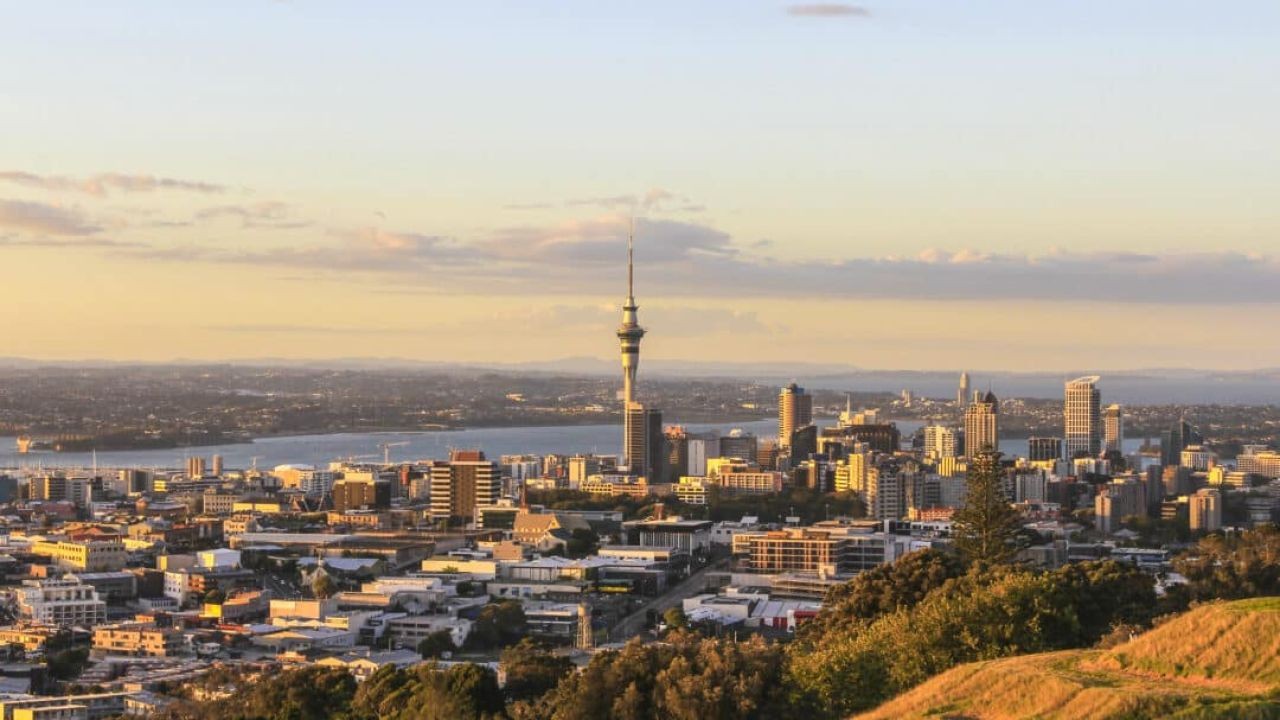
New Zealand's major cities have experienced significant growth over the decades, reflecting a dynamic interplay of historical, economic, and societal factors. This evolution not only highlights the resilience and adaptability of Kiwi urban centers but also underscores the broader global trends impacting urban development. Understanding this growth from a historical perspective offers valuable insights into New Zealand's urbanization journey and its implications for future city planning and tourism strategies.
The Evolution of New Zealand's Urban Landscape
The transformation of New Zealand's cities is deeply rooted in its colonial past, economic shifts, and policy changes. The development of Auckland, Wellington, and Christchurch, for example, reflects a blend of indigenous history, European influence, and modern innovation. The journey from small settlements to bustling metropolitan areas encapsulates the country's adaptability and vision.
Auckland: From Settlement to Super City
Auckland, the largest city, has evolved from a modest colonial outpost into a global city. Its growth has been driven by immigration, economic diversification, and strategic planning. According to Stats NZ, Auckland's population has surged by over 50% in the last two decades, driven by its role as an economic hub and a gateway for international trade.
Wellington: The Political and Cultural Heart
Wellington, New Zealand's capital, has maintained its status as the political and cultural epicenter. The city's growth has been more measured but equally significant, with a focus on arts, culture, and policy innovation. Government initiatives and tech industry expansions have played a crucial role in shaping its modern identity.
Christchurch: Resilience and Rebuilding
Christchurch's journey is one of resilience. The devastating earthquakes of 2010 and 2011 marked a turning point, prompting a massive reconstruction effort. This has led to a modern, sustainable urban landscape that blends heritage with innovation. The city's recovery has been a testament to community spirit and strategic urban planning.
Driving Forces Behind Urban Growth
The expansion of New Zealand's cities is influenced by a myriad of factors, including economic policies, technological advancements, and demographic changes. According to the Ministry of Business, Innovation, and Employment (MBIE), urban growth has been heavily influenced by policy shifts towards economic liberalization and globalization, which have attracted international talent and investment.
Economic Policies and Urbanization
Government policies have played a pivotal role in shaping urban growth. The deregulation of the economy in the 1980s, for instance, spurred economic activity and urban expansion. The Reserve Bank of New Zealand's monetary policies have also influenced housing markets and infrastructure development.
Technological Advancements
The rise of technology has revolutionized urban living. Smart city initiatives, digital infrastructure, and the tech industry's growth have made cities more attractive for businesses and residents alike. Auckland's development of the Wynyard Quarter as a tech and innovation precinct exemplifies this trend.
Pros and Cons of Rapid Urban Growth
The rapid growth of New Zealand's cities brings both opportunities and challenges. Understanding these dynamics is critical for policymakers, businesses, and residents.
Pros
- Economic Growth: Urbanization drives economic activity, creating jobs and boosting GDP. Auckland's GDP growth is significantly higher than the national average, driven by its diverse economy.
- Cultural Enrichment: Cities become melting pots of cultures, fostering creativity and innovation. Wellington's vibrant arts scene is a testament to this.
- Infrastructure Development: Growth leads to improved infrastructure, enhancing quality of life.
Cons
- Housing Affordability: Rapid growth can lead to housing shortages and increased prices. According to Stats NZ, Auckland's housing prices have risen by over 60% in the last decade.
- Traffic Congestion: Increased population density can strain transport systems, leading to congestion and pollution.
- Environmental Impact: Urban sprawl can threaten natural habitats and biodiversity.
Case Study: Auckland's Housing Market
Problem: Auckland faced a severe housing affordability crisis, with median house prices skyrocketing beyond the reach of many residents. This was exacerbated by limited land availability and rapid population growth.
Action: The Auckland Council implemented the Auckland Unitary Plan to increase housing density and streamline planning processes. This included rezoning areas for high-density housing and incentivizing the development of affordable homes.
Result: The plan has led to a 30% increase in housing supply over five years, easing some of the pressure on the market. However, challenges remain, highlighting the complexities of urban planning.
Takeaway: This case study underscores the importance of proactive urban planning and policy innovation in managing city growth. New Zealand cities can learn from Auckland's approach to address housing challenges effectively.
Debunking Myths About New Zealand's Urban Growth
Several misconceptions about urban growth in New Zealand persist, often hindering effective planning and decision-making.
Myth vs. Reality
Myth: "Urban growth automatically leads to economic prosperity."
Reality: While growth can drive economic activity, it must be managed sustainably to avoid issues like inequality and environmental degradation.
Myth: "High-rise developments ruin cityscapes."
Reality: Thoughtful design and planning can integrate high-rise buildings into the urban fabric, enhancing rather than detracting from city aesthetics.
Myth: "Decentralization will solve all urban problems."
Reality: Decentralization can alleviate some issues, but it requires robust transport and digital infrastructure to be effective.
Future Trends and Predictions
The future of New Zealand's cities will be shaped by ongoing technological advancements, policy frameworks, and global trends.
By 2030, it's predicted that over 70% of New Zealand's population will live in urban areas, according to a report by Stats NZ. This will necessitate innovative urban planning solutions, focusing on sustainability and resilience.
Smart city technologies will play a pivotal role in this transition. The adoption of IoT devices, AI-driven traffic management, and green infrastructure will enhance urban living quality and reduce environmental impact.
Conclusion
The historical growth of New Zealand's major cities offers valuable lessons for the future. As urbanization continues, balancing economic, social, and environmental goals will be crucial. Policymakers, businesses, and communities must collaborate to ensure sustainable, inclusive urban development.
What do you think about the future of New Zealand's cities? Share your insights and join the conversation!
Related Search Queries
- Growth of New Zealand cities over time
- Urbanization impact on New Zealand economy
- Future of urban planning in New Zealand
- Smart city initiatives in New Zealand
- Housing market trends in Auckland
People Also Ask
How does urban growth impact New Zealand's economy?Urban growth boosts economic activity by creating jobs and attracting investments, as seen in Auckland's GDP growth, which outpaces the national average.
What are the biggest misconceptions about New Zealand's urban growth?One myth is that urban growth always equals prosperity. However, sustainable management is crucial to avoid inequality and environmental issues.
What are the best strategies for managing urban growth in New Zealand?Experts suggest integrating smart technologies, enhancing public transport, and implementing inclusive zoning laws to effectively manage urban expansion.