





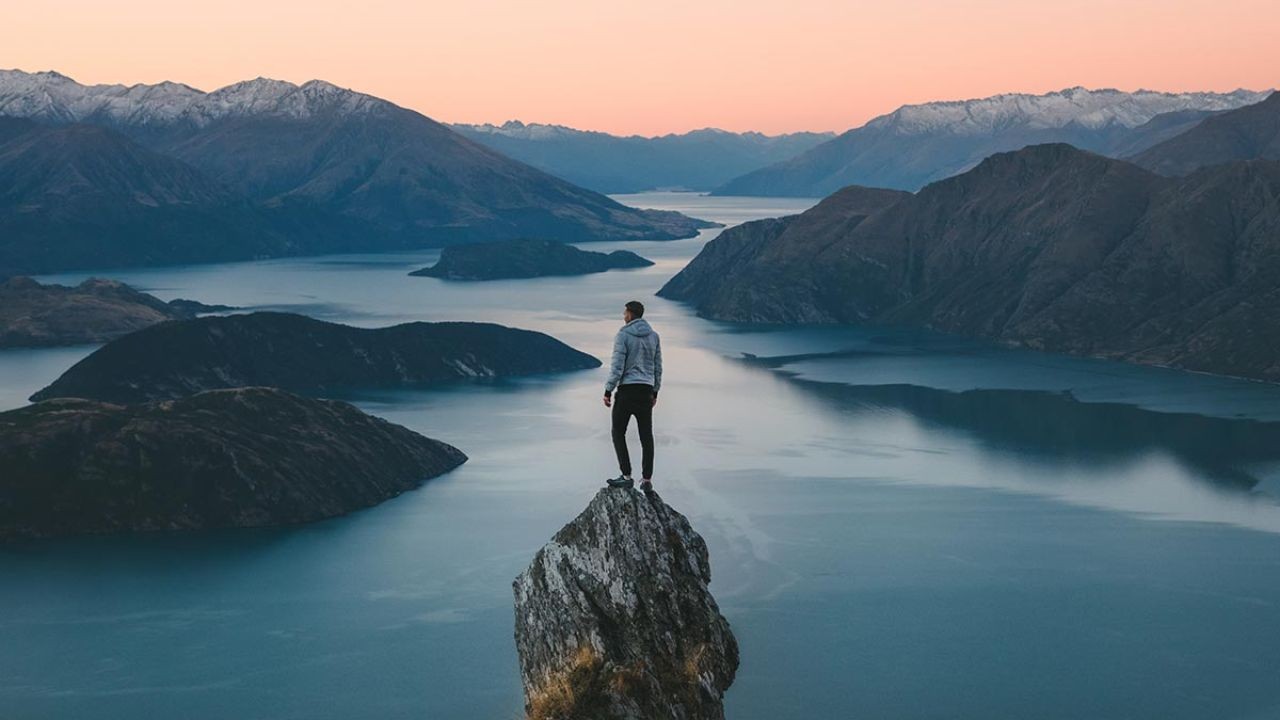
Introduction
Did you know that New Zealand is home to some of the most breathtaking hiking trails in the world, attracting over 3 million international visitors annually? Yet, even seasoned trekkers often overlook how these trails can significantly impact New Zealand's economy and local businesses. The intertwining of these natural landscapes with the country's economic fabric makes the hiking industry a pivotal element in New Zealand's tourism sector. According to Stats NZ, tourism contributes approximately 5.8% to the national GDP, and hiking is a major driver of this statistic. Given this backdrop, it's essential to explore how to experience the best hiking trails in New Zealand not just from a recreational perspective, but also through the lens of economic impact and sustainable tourism. What's your take? Share your insights below!
Pros & Cons Evaluation
Pros of Hiking in New Zealand
- Economic Boost: Hiking trails significantly contribute to local economies, especially in rural areas. They create jobs and support small businesses such as local tour guides, accommodation providers, and gear retailers.
- Environmental Awareness: Engaging with nature promotes environmental consciousness, encouraging preservation efforts that align with New Zealand's commitment to sustainability.
- Health Benefits: Hiking offers physical and mental health benefits, helping reduce healthcare costs by promoting a healthier lifestyle.
Cons of Hiking in New Zealand
- Environmental Impact: Increased foot traffic can lead to soil erosion, wildlife disturbance, and littering, which may require costly conservation efforts.
- Seasonal Limitations: Weather conditions can restrict access to trails, impacting local economies reliant on consistent tourist flow.
- Safety Concerns: The rugged terrain can pose safety risks to hikers, necessitating investment in emergency services and facilities.
Expert Opinion & Thought Leadership
According to Dr. Sarah McKenzie, a leading environmental economist at the University of Otago, "The integration of hiking trails into the local economy is a double-edged sword. While they provide immense economic benefits, there is a pressing need for sustainable practices to mitigate environmental impact." She suggests that New Zealand could learn from Norway's approach, where visitor caps and advanced booking systems have been implemented to manage trail traffic effectively.
Real-World Case Studies
Case Study: Tongariro Alpine Crossing
Problem: The Tongariro Alpine Crossing, one of New Zealand's most popular hikes, faced issues with overcrowding, leading to environmental degradation and safety concerns.
Action: To tackle this, the Department of Conservation introduced shuttle services, limiting vehicle access to the trailhead and implementing stricter waste management policies.
Result: These measures led to a 15% reduction in trail congestion and a significant decrease in litter, showcasing how structured management can enhance both visitor experience and environmental sustainability.
Takeaway: This case study highlights the importance of managing natural resources sustainably. New Zealand's approach can serve as a model for other countries facing similar challenges.
Case Study: The Routeburn Track
Problem: The Routeburn Track, part of New Zealand's Great Walks, experienced fluctuating visitor numbers due to unpredictable weather patterns.
Action: Local businesses collaborated with the Department of Conservation to offer flexible booking options and real-time weather updates to potential hikers.
Result: This increased visitor satisfaction and stabilized the number of hikers, contributing to a 20% rise in local business revenues during the hiking season.
Takeaway: The adaptability of local businesses to external factors like weather can significantly enhance economic outcomes.
Data-Driven Analysis
According to the Ministry of Business, Innovation and Employment (MBIE), hiking tourism in New Zealand generates over NZD 250 million annually. This influx not only supports local economies but also drives initiatives for environmental conservation. Furthermore, the Reserve Bank of New Zealand reports that regions with popular hiking trails have experienced a steady 3% annual growth in accommodation and hospitality sectors, underscoring the economic significance of this industry.
Common Myths & Mistakes
Myths
- Myth: All hiking trails in New Zealand are overcrowded.
- Reality: While popular trails can be busy, many lesser-known trails offer solitude and equally stunning landscapes.
- Myth: Hiking is only for the physically fit.
- Reality: New Zealand offers trails of varying difficulty, catering to all fitness levels.
- Myth: Hiking is a low-budget activity.
- Reality: Costs can add up with gear, travel, and accommodation, particularly for longer treks.
Which of these myths did you believe before reading this? Drop your thoughts below!
Mistakes to Avoid
- Ignoring weather forecasts, which can lead to dangerous hiking conditions.
- Underestimating the physical demands of a trail, resulting in incomplete hikes or injuries.
- Failing to respect local wildlife and environment, leading to fines and trail damage.
Future Trends & Predictions
By 2026, New Zealand is expected to see a shift towards more sustainable tourism practices, driven by increasing environmental regulations and visitor demand for eco-friendly travel options. According to a recent report by MBIE, advancements in technology like real-time trail monitoring and virtual reality tours could play a significant role in managing visitor impact while enhancing the hiking experience.
Conclusion
In conclusion, experiencing the best hiking trails in New Zealand offers not just a gateway to stunning natural beauty but also a deep dive into the country's economic and environmental dynamics. As you plan your next hiking adventure, consider the broader impact of your activities. Ready to make the most of your hiking experience? Start by choosing sustainable travel options and engaging with local communities. If you found this article insightful, share it with fellow hiking enthusiasts and comment with your favorite New Zealand trail!
People Also Ask (FAQ)
- How does hiking impact New Zealand's economy?Hiking contributes significantly to local economies, with tourism generating over NZD 250 million annually, according to MBIE. This supports local businesses and conservation efforts.
- What are the biggest misconceptions about hiking in New Zealand?Many believe all trails are overcrowded and for the fit only, but there are numerous options for solitude and varying fitness levels.
- What upcoming changes in New Zealand could affect hiking?By 2026, increased environmental regulations and technology adoption are expected to drive sustainable tourism practices in the hiking sector.
Related Search Queries
- Best hiking trails in New Zealand
- New Zealand hiking economic impact
- Sustainable tourism in New Zealand
- Environmental impact of hiking
- Top hiking destinations in New Zealand
- Hiking safety tips New Zealand
- Weather considerations for hiking in New Zealand
- Local businesses supporting hikers in New Zealand
- Great Walks of New Zealand
- Future of hiking tourism in New Zealand