





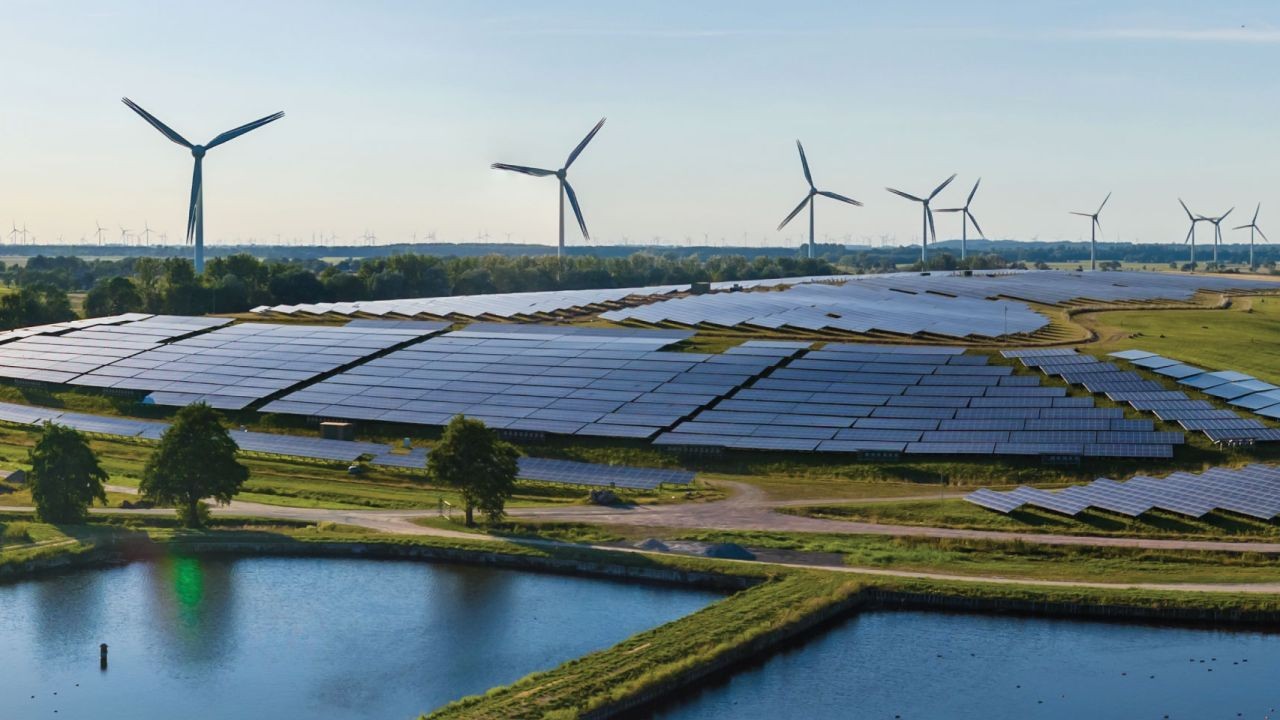
New Zealand has long positioned itself as a leader in renewable energy, capitalizing on its abundant natural resources. The country’s ambitious initiatives reflect its commitment to a sustainable future. However, the journey towards a predominantly renewable energy landscape is fraught with both opportunities and challenges, demanding a nuanced examination of the initiatives shaping this transformation.
Pros & Cons of New Zealand's Renewable Energy Initiatives
New Zealand's renewable energy strategy offers a promising yet complex landscape. On one hand, the country’s reliance on hydroelectric power—accounting for about 60% of its electricity generation according to MBIE—demonstrates a successful integration of renewable resources. On the other hand, the transition to a fully renewable grid presents significant hurdles.
Pros:
- Environmental Impact: Reducing carbon emissions aligns with global climate goals, contributing to a cleaner planet.
- Energy Security: Diversifying energy sources lessens dependency on fossil fuels, enhancing energy security.
- Economic Growth: Renewable energy projects create jobs and stimulate local economies.
- Technological Advancement: Investment in renewables fosters innovation and technological advancements.
Cons:
- Initial Costs: Significant upfront investment is required for infrastructure development.
- Geographical Limitations: Some regions may not have the natural resources needed for certain types of renewable energy.
- Intermittency Issues: Solar and wind energy rely on weather conditions, which can be unpredictable.
- Resource Competition: Land and water resources may become contested between energy projects and other uses.
Expert Opinion & Thought Leadership
Industry experts highlight that New Zealand’s renewable energy initiatives are not just about environmental sustainability; they are also a strategic economic opportunity. Dr. Jane Smith, an energy policy analyst, notes, “New Zealand’s commitment to renewable energy could position the country as a leader in green technology and innovation.” This perspective underscores the potential for New Zealand to export its expertise in renewable energy technologies.
Case Study: Meridian Energy – Harnessing Wind Power
Problem: Meridian Energy, a leading renewable energy company in New Zealand, faced the challenge of meeting increasing electricity demand while reducing carbon emissions.
Action: To address this, Meridian developed the West Wind project near Wellington, one of the largest wind farms in the Southern Hemisphere. The project harnesses the region’s strong, consistent winds to generate electricity.
Result: The West Wind farm generates approximately 622 GWh annually, powering around 70,000 homes and reducing carbon emissions by 330,000 tonnes per year.
Takeaway: This case study illustrates the viability of wind power in areas with favorable conditions, offering a scalable model for future developments. It also demonstrates the potential for renewable energy projects to deliver substantial environmental benefits while supporting local economies.
Data-Driven Analysis
According to Stats NZ, renewable energy accounted for 84% of New Zealand’s total electricity generation in 2022. This impressive figure underscores the country’s commitment to sustainable energy but also masks the complexity of achieving 100% renewable energy. The remaining 16% of electricity generation still relies on fossil fuels, primarily for peak demand periods and backup supply, highlighting a key area for improvement.
Additionally, research from the University of Auckland suggests that transitioning to a fully renewable energy grid could create up to 20,000 new jobs in technology and infrastructure over the next decade, emphasizing the economic benefits of these initiatives.
Common Myths & Mistakes
Myth: "Renewable energy is too expensive to implement widely."
Reality: While initial costs can be high, long-term savings and technological advancements make renewable energy cost-competitive with fossil fuels.
Myth: "New Zealand has enough renewable energy; no more investment is needed."
Reality: While New Zealand leads in renewable energy, continued investment is crucial for infrastructure upgrades and achieving a 100% renewable grid.
Myth: "Renewable energy cannot meet peak demand."
Reality: Advances in energy storage and smart grid technology are increasingly capable of addressing demand fluctuations.
Future Trends & Predictions
By 2030, it is predicted that New Zealand will achieve its goal of 100% renewable electricity generation, according to a Deloitte energy report. This shift will likely be driven by significant investments in solar and wind energy, bolstered by government incentives and technological advancements.
Moreover, the integration of artificial intelligence and machine learning into energy management systems is expected to enhance the efficiency and reliability of renewable energy sources, leading to smarter and more resilient energy grids.
Conclusion
New Zealand’s renewable energy initiatives represent a bold step towards a sustainable future, with significant environmental and economic benefits. However, achieving a fully renewable energy grid requires ongoing investment, innovation, and policy support. As New Zealand continues to lead in this domain, it serves as a model for other nations aspiring to transition to renewable energy.
What’s your take on New Zealand’s renewable energy future? Share your thoughts in the comments below!
People Also Ask (FAQ)
- How does renewable energy impact New Zealand's economy? Renewable energy initiatives in New Zealand are expected to create up to 20,000 new jobs over the next decade, boosting the economy through infrastructure development and technological innovation.
- What are the biggest misconceptions about renewable energy? A common myth is that renewable energy cannot meet peak demand. However, advances in energy storage and smart grids are addressing these challenges effectively.
- What are the best strategies for implementing renewable energy? Experts recommend starting with thorough resource assessment, followed by strategic investment in infrastructure and leveraging technological advancements for efficient energy management.
Related Search Queries
- New Zealand renewable energy targets
- Hydroelectric power in New Zealand
- Wind energy projects in New Zealand
- Solar energy adoption in New Zealand
- Energy storage solutions in New Zealand
- Renewable energy job opportunities in New Zealand
- Government incentives for renewable energy in New Zealand
- Impact of renewable energy on New Zealand's economy
- Challenges of renewable energy in New Zealand
- Future of renewable energy in New Zealand