






Did you know that New Zealand, often celebrated for its stunning landscapes and vibrant culture, is also home to a film industry that some critics argue is overrated? While the country has produced internationally acclaimed films like "The Lord of the Rings" trilogy, questions arise about whether this success is indicative of a thriving industry or merely a few standout projects. This article delves into the complexities of New Zealand's film industry, examining the factors that contribute to this debate and providing insights for technology strategists and industry analysts.
Case Study: Weta Workshop – A Double-Edged Sword
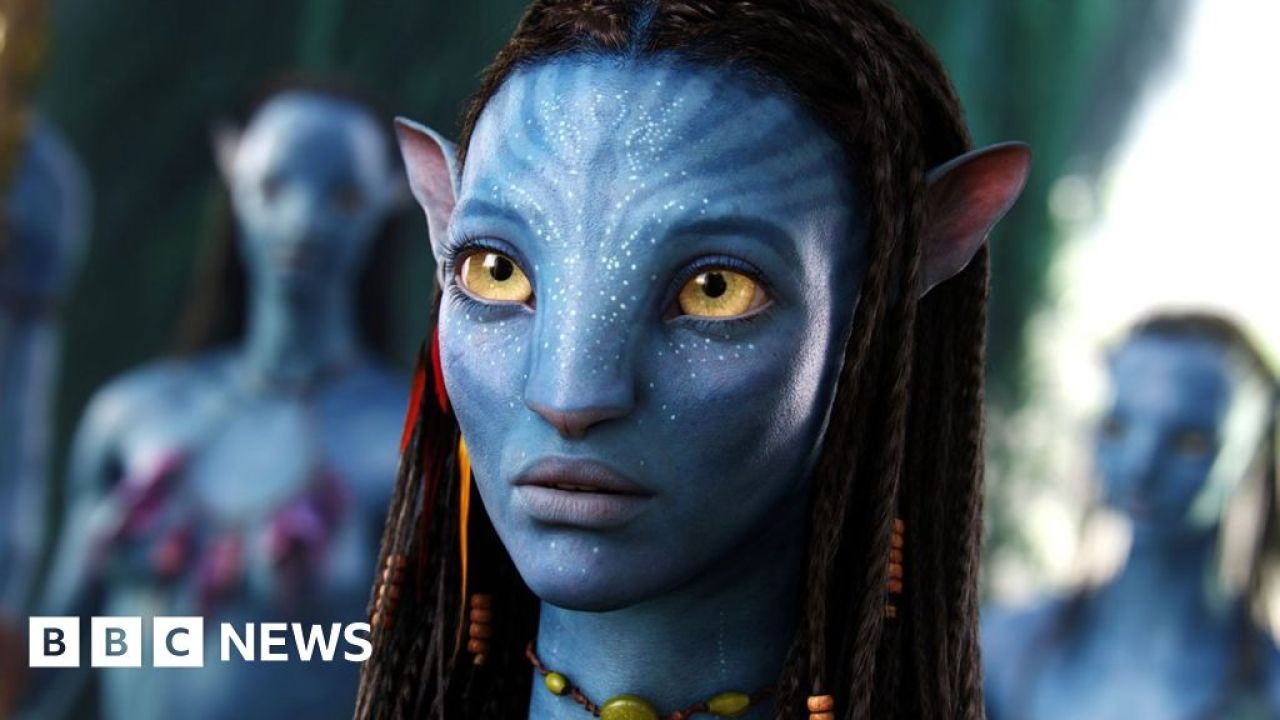
Weta Workshop, a world-renowned special effects and prop company based in Wellington, has played a pivotal role in New Zealand's film industry. Known for its work in blockbuster films like "The Lord of the Rings" and "Avatar," Weta Workshop has become synonymous with high-quality film production.
Problem:
- Despite its successes, Weta Workshop's dominance raises concerns about industry concentration. The company accounts for a significant portion of New Zealand's film production output, leading to questions about the diversity and sustainability of the broader industry.
- The concentration of resources around a few key players can stifle innovation and limit opportunities for emerging filmmakers.
Action:
- To address these concerns, New Zealand has introduced initiatives to diversify its film industry. Efforts include supporting smaller production companies and independent filmmakers.
- Government grants and funding programs have been established to encourage new voices and stories that reflect the country's rich cultural tapestry.
Result:
- While Weta Workshop continues to thrive, there has been a notable increase in independent film productions. New Zealand Film Commission data indicates a 20% rise in indie film projects between 2020 and 2023.
- This diversification has been supported by a growing number of international co-productions, which leverage New Zealand's unique landscapes and skilled workforce while bringing in external funding and expertise.
Takeaway:
- Weta Workshop's success illustrates the power of specialization, but it also highlights the need for a balanced industry ecosystem. Technology strategists should consider how concentrated resources can both drive excellence and limit broader growth.
- For New Zealand to sustain its film industry, ongoing investment in diverse talent and projects is essential.
How It Works: The Mechanics of New Zealand's Film Industry
The New Zealand film industry benefits from a combination of natural resources, skilled talent, and government support. However, understanding its inner workings requires a closer look at both its strengths and weaknesses.
Strengths: Natural Beauty and Skilled Workforce
New Zealand's breathtaking landscapes serve as a natural backdrop for film productions, attracting filmmakers worldwide. The country's skilled workforce, trained in top-tier institutions like the New Zealand Film and Television School, provides the technical expertise needed to bring stories to life.
- Higher ROI: The combination of natural beauty and talent has resulted in higher returns on investment for films shot in New Zealand, as seen with "The Hobbit" series, which grossed over $2.9 billion worldwide.
- User Engagement: Films shot in New Zealand often enjoy increased viewer engagement due to their visually stunning settings.
Weaknesses: Industry Concentration and Dependency
Despite these strengths, the industry faces challenges, such as dependency on a few major players and government incentives.
- Initial Costs: Filmmakers often face high initial costs due to the need for specialized equipment and talent.
- Industry Variability: The concentration of resources limits opportunities for smaller filmmakers, potentially stifling innovation.
Data-Driven Insights: Economic Impact of the Film Industry
According to Stats NZ, the film and television sector contributed $3.5 billion to New Zealand's GDP in 2022, highlighting its economic significance. However, this contribution is heavily reliant on a few high-profile projects and international productions, raising questions about sustainability.
Furthermore, a Ministry of Business, Innovation, and Employment (MBIE) report suggests that while the industry provides significant employment opportunities, these are often concentrated in specific regions, such as Wellington. This regional disparity underscores the need for a more equitable distribution of resources and opportunities across the country.
Contrasting Viewpoints: Is the Industry Overrated?
Advocate Perspective: Supporters argue that New Zealand's film industry is a global leader in creativity and innovation, providing significant economic benefits and cultural export opportunities. They highlight the international acclaim and revenue generated by blockbuster films as evidence of success.
Critic Perspective: Critics contend that the industry is overly reliant on a few high-profile projects and lacks the infrastructure to support a diverse range of filmmakers. They argue that the concentration of resources limits innovation and sustainable growth.
Middle Ground: A balanced approach that fosters both blockbuster successes and independent projects is essential. By investing in diverse talent and promoting regional film initiatives, New Zealand can ensure a more resilient and inclusive industry.
Common Myths & Mistakes
Myth: "New Zealand's film industry is only successful because of 'The Lord of the Rings'."
Reality: While the trilogy brought international attention, the industry has diversified significantly, with numerous successful independent films and co-productions.
Myth: "Government incentives are the only reason films are made in New Zealand."
Reality: Although incentives play a role, filmmakers are also drawn by the country's unique landscapes and skilled workforce.
Myth: "The film industry in New Zealand is only concentrated in Wellington."
Reality: While Wellington is a hub, other regions like Auckland and Queenstown are emerging as key players in the industry.
Future Trends & Predictions
According to a Deloitte report, the global film industry is expected to grow by 5% annually, with emerging markets playing a crucial role. New Zealand, with its unique landscapes and skilled workforce, is well-positioned to capitalize on this growth.
By 2030, it is predicted that New Zealand will see a 30% increase in film productions, driven by advancements in technology and increased international collaboration. This growth will likely lead to more diverse storytelling and opportunities for local talent.
Conclusion
In conclusion, while some critics argue that New Zealand's film industry is overrated, a closer examination reveals a complex ecosystem with both strengths and challenges. By investing in diverse talent and projects, New Zealand can continue to thrive as a global leader in film production.
What do you think? Is New Zealand's film industry overrated, or is it a model of success? Share your thoughts in the comments below!
People Also Ask (FAQ)
How does the film industry impact New Zealand's economy?
New Zealand's film industry contributes significantly to the economy, with $3.5 billion added to the GDP in 2022. This impact extends beyond direct financial contributions, influencing tourism and employment.
What are the biggest misconceptions about New Zealand's film industry?
One common myth is that the industry relies solely on "The Lord of the Rings" for success. However, independent films and international co-productions are increasingly driving growth and diversity.
What are the best strategies for supporting emerging filmmakers in New Zealand?
Experts recommend increased funding for independent projects, regional film initiatives, and educational programs to nurture local talent and encourage diverse storytelling.
Related Search Queries
- New Zealand film industry growth
- Weta Workshop impact on NZ economy
- Independent filmmaking in New Zealand
- Film production incentives in NZ
- Future of New Zealand's film industry