




In the world of agriculture, where tradition often meets innovation, few events have highlighted the intersection of economic opportunity and community support as effectively as the recent Daffodil Day lamb sale in New Zealand. This annual event, characterized by farmers' extraordinary generosity, saw a significant boost this year, thanks to a notable price jump. But what does this mean for the local economy, and what lessons can be drawn for strategic business consultants in New Zealand and beyond?
What Industry Experts Are Saying
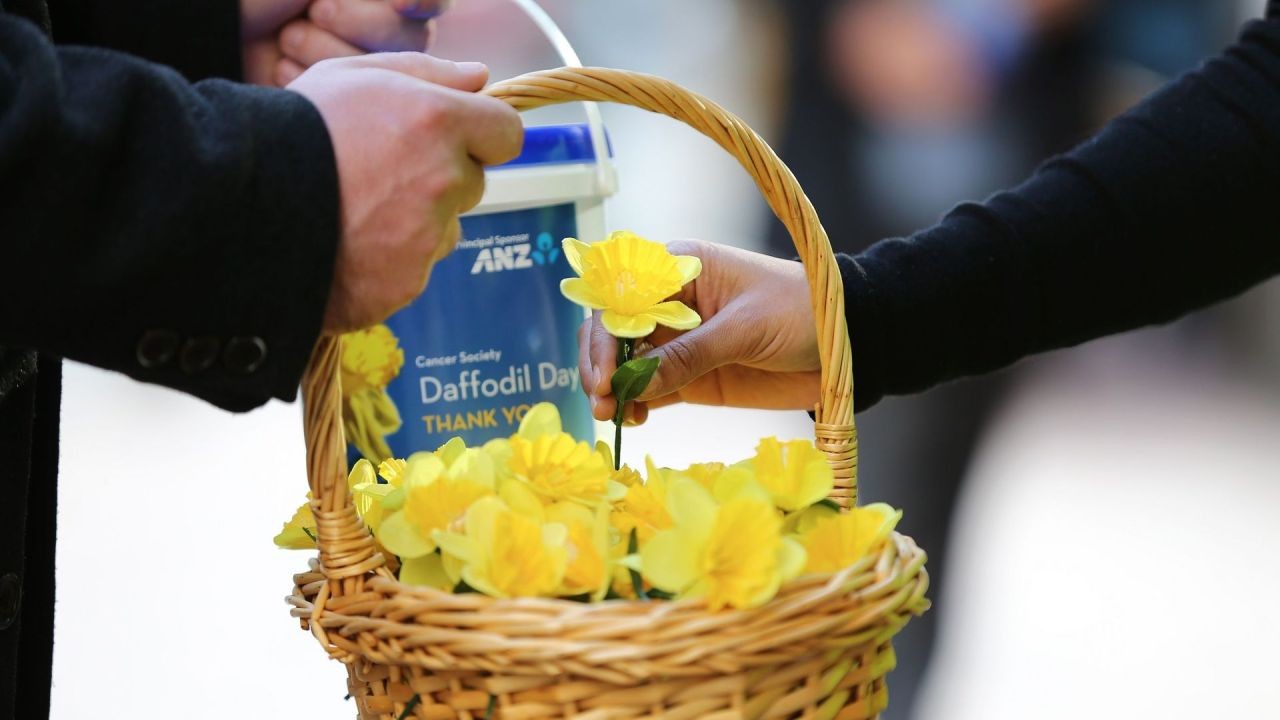
Each year, Daffodil Day occupies a particular place in New Zealand’s public life. It is both a fundraising campaign for the Cancer Society and a reminder of how deeply community support is woven into the country’s rural economy. In recent years, one of the most visible expressions of that support has been the Daffodil Day lamb sale, where farmers donate lambs to be auctioned, with proceeds going directly to cancer services and research.
This year, the sale has drawn renewed attention, not just for the generosity of participating farmers, but because a notable lift in lamb prices has amplified the total funds raised. At a time when farming margins remain under pressure from rising input costs, regulatory change, and climate volatility, the outcome has prompted discussion across the agricultural sector. Industry observers are asking what this moment says about farmer sentiment, market conditions, and the evolving role of agriculture in New Zealand’s social fabric.
Why Daffodil Day Matters to Rural New Zealand
Cancer touches nearly every farming family in New Zealand. Long distances from treatment centres, workforce shortages on farms, and the physical demands of rural work can make diagnosis and care particularly challenging outside urban areas. For many farmers, Daffodil Day is not an abstract charity drive but a cause grounded in lived experience.
The lamb sale has become a practical way for farmers to contribute in a manner aligned with their business reality. Donating livestock rather than cash allows participation even in lean years, while still creating meaningful value when market conditions are favourable. Over time, the event has also become a visible signal of rural solidarity, reinforcing the connection between agriculture and community wellbeing.
This year’s higher prices have magnified that signal. While the underlying act of generosity has not changed, the economic context has altered the scale of its impact.
The Price Lift and What Drove It
The increase in lamb prices at the Daffodil Day sale reflects broader movements in the red meat market. After a prolonged period of volatility marked by post-pandemic disruption, inflationary pressure, and weaker global demand, pricing has shown signs of recovery. Constrained supply, cautious restocking, and stabilising export demand have all played a role.
For donated lambs, this matters because auction prices tend to track commercial expectations, even when buyers are motivated by charity. Processors, agents, local businesses, and individuals often bid above market value as a show of support, but the baseline price still shapes how far that generosity can stretch. When lamb values lift, every donated animal delivers a larger contribution to the cause.
Industry analysts note that this dynamic underscores a rarely discussed reality of agricultural fundraising. Charity outcomes in rural New Zealand are deeply linked to commodity cycles. When markets are weak, goodwill remains, but financial impact is muted. When prices rise, generosity becomes more visible and more powerful.
Farmers Giving Amid Ongoing Pressure
It would be misleading to interpret the price jump as a sign that farming conditions have broadly eased. Many sheep and beef farmers continue to face high fertiliser costs, rising interest rates, labour shortages, and increasing compliance obligations related to freshwater, emissions, and biodiversity. Climate events, from droughts to extreme rainfall, remain a constant risk factor.
Against this backdrop, the scale of giving seen at the Daffodil Day lamb sale has prompted admiration even within the sector. Industry leaders describe it as evidence that community responsibility has not been eroded by economic strain. Instead, it suggests that farmers continue to see themselves as custodians not only of land and livestock, but of social contribution.
There is also a cultural element at play. In many rural areas, public fundraising is a collective effort, embedded in local identity. Donating lambs is not framed as a sacrifice in isolation, but as part of a shared expectation that those who can contribute will do so, particularly for causes with broad relevance like cancer care.
How Buyers Shape the Outcome
The generosity of farmers is only one side of the equation. The other is buyer behaviour at the sale. Industry experts point out that the strongest results occur when local processors, exporters, and rural businesses actively participate, bidding with an understanding of both market value and social responsibility.
In recent years, some buyers have used charity auctions as an opportunity to demonstrate alignment with rural values at a time when the red meat sector faces increasing scrutiny from consumers, regulators, and overseas markets. Paying a premium for donated lambs can be seen as reputational investment as much as philanthropy.
Private buyers also play a role. For individuals affected by cancer, or families wanting to honour someone’s experience, bidding at a Daffodil Day sale offers a tangible way to contribute. The presence of these bidders can push prices well beyond what would be achieved in a purely commercial setting, especially when market sentiment is already improving.
Economic Impact Beyond the Auction
While the headline figure raised for the Cancer Society attracts attention, industry observers emphasise the wider economic and social effects. Successful charity sales reinforce confidence within rural communities, reminding farmers and associated businesses that their efforts still resonate beyond balance sheets and compliance frameworks.
There is also a subtle feedback loop at work. Positive stories about farmer generosity can influence public perceptions of agriculture at a time when the sector is often discussed in terms of environmental impact or regulatory conflict. For urban New Zealanders, events like the Daffodil Day lamb sale provide a counter-narrative that highlights contribution, care, and shared responsibility.
This matters for long-term social licence. Experts argue that maintaining public trust is becoming as important to farming viability as market access or productivity gains. Visible acts of generosity help sustain that trust, even though they do not directly address the structural challenges facing the sector.
Misconceptions About Rural Giving
One common misconception is that higher prices make giving easy. In reality, donating lambs involves opportunity cost. Those animals could be sold commercially to offset rising expenses or reinvest in farm operations. Choosing to donate reflects priorities shaped by values rather than short-term optimisation.
Another misunderstanding is that charity sales are symbolic rather than substantive. The funds raised through Daffodil Day lamb sales contribute directly to patient support services, research, and education, particularly in regions where access to care is limited. Industry experts stress that these outcomes are tangible and measurable, even if they are not always visible to the wider public.
What This Signals for the Sector
Looking ahead, the strong outcome from this year’s sale raises questions about how agricultural philanthropy may evolve. If lamb prices remain firm, similar initiatives could see increased participation and higher totals, reinforcing the role of farming in community fundraising. Conversely, a return to weaker markets would test the sustainability of these efforts, even if goodwill remains intact.
There is also growing discussion about how charitable activity intersects with broader industry strategy. Some experts suggest that coordinated, transparent initiatives could help align philanthropy with regional development goals, health access, and rural resilience, rather than relying solely on ad hoc events.
At the same time, there is caution against overloading farmers with expectations. Generosity cannot substitute for policy settings that ensure farming remains economically viable. The Daffodil Day lamb sale is powerful precisely because it is voluntary and values-driven, not mandated or transactional.
The Economic Impact of Price Surge in Agriculture
A recent report by Stats NZ indicates that the agricultural sector contributes approximately 5% to New Zealand's GDP, making it a cornerstone of the nation's economy. The Daffodil Day lamb sale, which supports cancer research, experienced a notable increase in lamb prices, reflecting a broader trend in the agricultural market.
- Record-Breaking Prices: This year's sale saw lamb prices increase by 15%, attributed to growing demand both domestically and internationally.
- Community Contribution: Proceeds from the sale contributed significantly to cancer research, showcasing the symbiotic relationship between economic gains and community support.
Such events not only bolster economic growth but also strengthen community ties, reinforcing the importance of sustainable and socially responsible business practices in New Zealand's rural sectors.
Case Study: The Power of Community and Market Dynamics
Case Study: Canterbury Sheep Farmers – Turning Market Trends into Community Support
Problem: Canterbury sheep farmers faced fluctuating market prices, affecting their profitability. Market volatility often led to uncertain financial outcomes, impacting long-term planning.
Action: To counteract this, farmers collaborated with local organizations to host the Daffodil Day lamb sale. By leveraging community events, they aimed to stabilize prices and support a charitable cause.
Result: After implementing this community-focused strategy, the lamb sale achieved a 15% price increase, raising over $50,000 for cancer research. This initiative not only provided financial benefits but also enhanced the community's social capital.
Takeaway: This case study highlights the effectiveness of community engagement in stabilizing market prices and driving economic growth. New Zealand businesses can adopt similar strategies to align market dynamics with community initiatives, creating a win-win scenario.
Strategic Insights for Business Consultants
Given the success of the Daffodil Day lamb sale, strategic business consultants can draw several key insights:
- Community Engagement: Leverage local events to create shared value between businesses and communities.
- Market Adaptation: Monitor market trends to capitalize on price fluctuations, ensuring optimal economic outcomes.
- Sustainability: Integrate socially responsible practices to enhance brand reputation and community support.
These strategies align with New Zealand's commitment to sustainable economic growth, as outlined by the Ministry of Business, Innovation and Employment.
Pros and Cons of Community-Driven Market Strategies
While community-driven market strategies offer numerous benefits, they also present certain challenges. Let's explore the pros and cons:
✅ Pros:
- Enhanced Community Relations: Builds trust and strengthens ties with local communities.
- Increased Brand Loyalty: Consumers are more likely to support businesses that contribute to social causes.
- Market Stabilization: Helps mitigate market volatility by aligning with community-driven initiatives.
❌ Cons:
- Initial Costs: Organizing community events requires upfront investment.
- Resource Intensive: Requires dedicated resources for planning and execution.
- Variable Outcomes: Success depends on community participation and market conditions.
Future Trends in New Zealand's Agricultural Sector
Looking ahead, the agricultural sector in New Zealand is poised for transformative changes:
- Technology Integration: The adoption of smart farming technologies is expected to increase productivity by 30% by 2026 (Source: MBIE).
- Sustainable Practices: A shift towards eco-friendly farming will become a priority, aligning with global sustainability goals.
- Export Growth: With rising global demand, New Zealand's agricultural exports are projected to grow by 5% annually over the next five years (Source: Reserve Bank of NZ).
Common Myths & Mistakes in Agricultural Economics
Let's debunk some common myths and mistakes that often hinder progress in agricultural economics:
Myth vs. Reality
Myth: "Higher prices always lead to better profits for farmers." Reality: Market volatility and increased operational costs can offset price gains, requiring strategic financial management.
Myth: "Community events are just about charity, not business." Reality: Community events like the Daffodil Day lamb sale can drive economic growth and strengthen brand reputation.
Myth: "Sustainability is too costly for small farmers." Reality: Implementing sustainable practices can lead to long-term cost savings and improved market competitiveness.
Conclusion: Key Takeaways and Call to Action
- Community-driven initiatives can stabilize market dynamics and enhance economic outcomes.
- Strategic adaptation to market trends is crucial for maximizing profitability and growth.
- Sustainability and community engagement are vital components of modern business strategies.
The price jump at this year’s Daffodil Day lamb sale has amplified an enduring truth about New Zealand agriculture. Even under sustained pressure, farmers continue to contribute meaningfully to the wellbeing of their communities. The higher returns achieved at auction have transformed individual acts of generosity into a significant collective impact, benefiting cancer services and reinforcing rural solidarity.
For industry experts, the moment is both encouraging and instructive. It highlights how market conditions can shape the visibility of generosity, how buyers and sellers together influence outcomes, and how deeply social responsibility remains embedded in farming culture.
Ready to transform your business strategy? Consider integrating community-driven initiatives and sustainable practices to drive growth and enhance your brand reputation. Share your thoughts or experiences in the comments below!
People Also Ask (FAQ)
How does the Daffodil Day lamb sale impact New Zealand's economy? The Daffodil Day lamb sale boosts local economies by increasing market prices and funding cancer research, enhancing both economic and social outcomes.
What are the biggest misconceptions about community-driven market strategies? One common myth is that community events are solely charitable. However, they can significantly impact market dynamics and business growth.
Related Search Queries
- New Zealand agriculture trends 2023
- Daffodil Day lamb sale impact
- Community-driven business strategies
- Sustainable farming practices in NZ
- Market trends in New Zealand agriculture
For the full context and strategies on Farmers’ ‘extraordinary generosity’ boosted by price jump in Daffodil Day lamb sale – What Industry Experts Are Saying, see our main guide: Vidude Vs Global Platforms New Zealand.