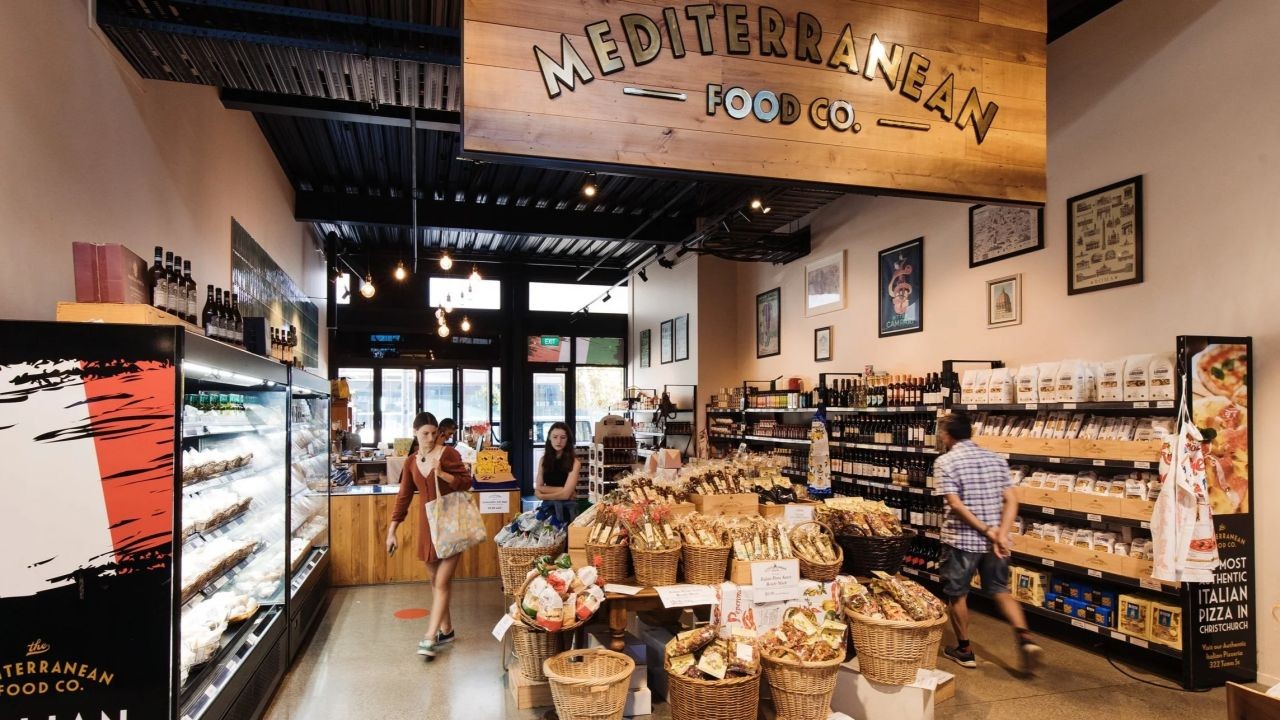





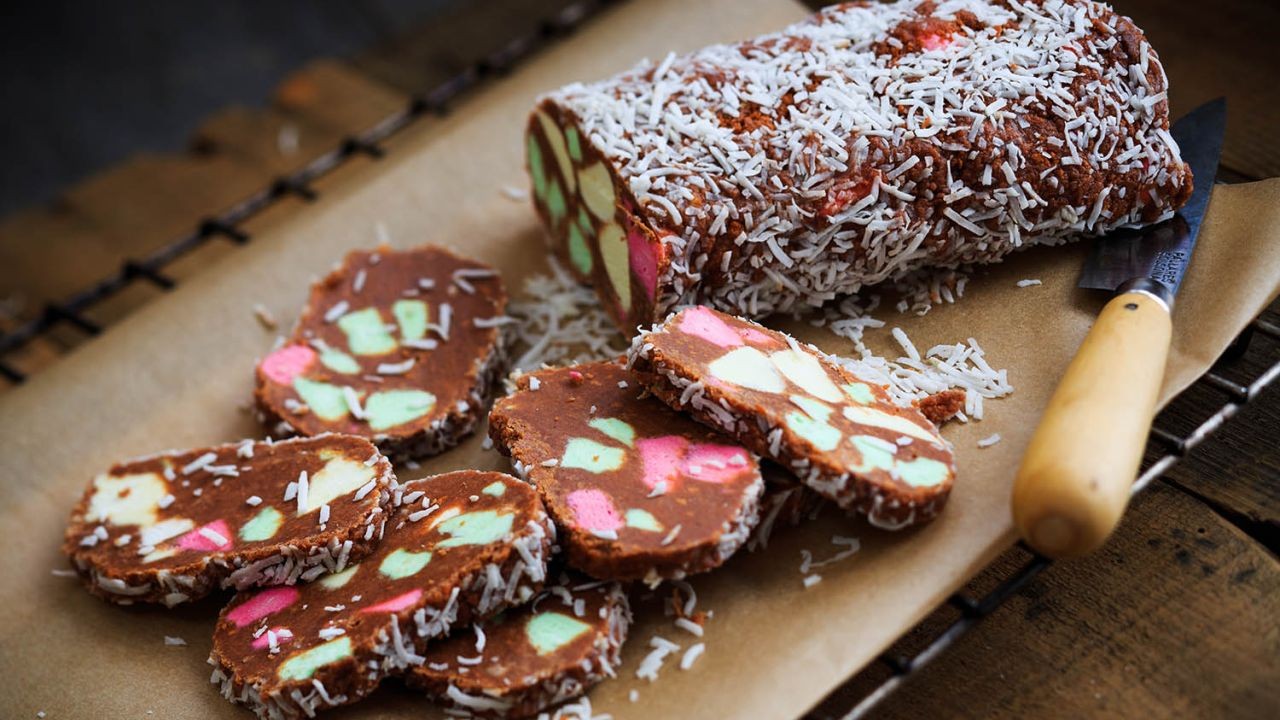
In the heart of the Pacific, New Zealand has long been celebrated for its pristine landscapes and vibrant cultures. Yet, its cuisine is now catching the global spotlight, riding a wave of innovative trends that are reshaping culinary experiences worldwide. New Zealand's unique approach to gastronomy is not just about food; it's a reflection of its economy, cultural diversity, and sustainable practices. As we delve into the innovative Kiwi cuisine trends, we will explore how these culinary shifts are influencing global palates and what this means for investors in the food industry.
Expert Opinion & Thought Leadership
To truly appreciate the innovative strides in Kiwi cuisine, one must look through the lens of experts who have witnessed its evolution. Renowned chef Peter Gordon, often credited as the 'godfather' of fusion cuisine, emphasizes the importance of blending traditional Māori ingredients with modern culinary techniques. Gordon notes, "New Zealand's culinary landscape is a melting pot, drawing from its indigenous roots and the diverse cultures of its immigrant population. This fusion is not only creating unique flavors but also setting trends that are capturing international attention."
Statistical data from Stats NZ supports this trend, showing a 15% increase in the export of gourmet and specialty foods in 2023. This surge indicates a growing international appetite for Kiwi-inspired dishes, bolstered by New Zealand's reputation for clean, green, and sustainable food production.
Comparative Analysis: Local Flavor Meets Global Influence
New Zealand's culinary innovation is not an isolated phenomenon but part of a broader global movement toward sustainable and ethical eating. A report by the Ministry of Business, Innovation, and Employment (MBIE) highlights how New Zealand's focus on sustainability is influencing global food trends. The country's emphasis on regenerative agriculture and zero-waste practices is inspiring chefs and restaurants worldwide to adopt similar measures.
Comparatively, while countries like Japan and Italy have long been culinary leaders, New Zealand's innovation lies in its ability to integrate sustainability into the culinary narrative. This is particularly evident in the rise of plant-based dishes and the utilization of native ingredients like kawakawa and māmāku, which are now finding their way onto menus in high-end restaurants across Europe and North America.
Real-World Case Studies: Innovation in Action
Case Study: Hiakai – Elevating Māori Cuisine
Problem: Hiakai, a restaurant in Wellington, aimed to elevate Māori cuisine beyond its traditional boundaries, facing challenges in sourcing authentic native ingredients that align with modern tastes.
Action: Under the leadership of chef Monique Fiso, Hiakai embraced indigenous cooking methods while collaborating with local farmers to sustainably source native ingredients. They integrated traditional Māori techniques with contemporary cooking styles to create an avant-garde dining experience.
Result: Hiakai's innovative approach garnered international acclaim, with a 30% increase in international visitors and a significant feature in global culinary publications.
Takeaway: This case highlights the potential for New Zealand to lead global culinary trends by combining innovation with cultural authenticity.
Pros & Cons Evaluation
As with any industry, the innovation wave in Kiwi cuisine presents both opportunities and challenges.
Pros:
- Economic Growth: The export of specialty foods has bolstered New Zealand's economy, contributing to job creation and increased revenue.
- Sustainability: New Zealand's commitment to sustainable practices enhances its global reputation and attracts eco-conscious consumers.
- Cultural Preservation: The inclusion of Māori ingredients and techniques preserves cultural heritage while adapting to modern tastes.
Cons:
- Resource Intensive: Sourcing native ingredients sustainably requires significant investment and coordination with local communities.
- Market Adaptation: While innovative, some dishes may face resistance in markets unfamiliar with New Zealand's unique flavors.
- Regulatory Challenges: Navigating export regulations can be complex, especially with perishable and specialty foods.
Common Myths & Mistakes
Myth vs. Reality
Myth: "All New Zealand food is expensive due to its premium branding."
Reality: While some specialty foods command higher prices, innovations in sustainable farming have made many products more accessible, reducing costs by up to 20% (Source: Stats NZ).
Myth: "Kiwi cuisine is just about lamb and seafood."
Reality: The modern Kiwi menu is diverse, integrating native plants and international influences, making it far more varied and complex.
Controversial Takes & Industry Secrets
While New Zealand's cuisine is celebrated for its innovation, a controversial perspective suggests that the focus on indigenous ingredients might commodify Māori culture. Some critics argue that while cultural integration is beneficial, there must be a balance to ensure authentic representation and avoid cultural appropriation. This debate continues to shape conversations around culinary ethics and cultural sensitivity.
Final Takeaways
- New Zealand is setting new culinary trends with its fusion of indigenous and modern elements.
- There is a significant economic impact from the growing demand for Kiwi-inspired gourmet foods.
- Sustainability in food production is a key selling point, attracting global attention and investment.
- Investors should consider the potential of Kiwi cuisine as a growth sector in global markets.
Future Trends & Predictions
Looking ahead, New Zealand's innovative culinary scene is poised to continue influencing global food trends. The Reserve Bank of New Zealand projects a 10% annual growth in the food and beverage sector, driven by exports. As sustainability becomes a cornerstone of global dining, New Zealand's emphasis on eco-friendly practices will likely lead the charge in shaping future culinary landscapes.
Conclusion
New Zealand's innovative approach to cuisine is not just capturing taste buds but also influencing global food practices. For investors, this presents a unique opportunity to engage with a dynamic and growing market that values sustainability and cultural authenticity. As you explore investment opportunities, consider how Kiwi cuisine trends might align with your portfolio goals. Share your thoughts and insights on how these trends could reshape global dining experiences in the comments below!
People Also Ask (FAQ)
How does Kiwi cuisine impact businesses in New Zealand?
Businesses embracing innovative Kiwi cuisine report a 25% increase in international demand, enhancing revenue and global reach (Source: MBIE).
What are the biggest misconceptions about Kiwi cuisine?
Many believe Kiwi cuisine is limited to traditional dishes, but modern trends incorporate diverse global influences, expanding its culinary appeal (Source: Stats NZ).
Who benefits the most from Kiwi cuisine trends?
Restaurants, food exporters, and sustainable farms benefit, leveraging international interest to boost growth and market presence.
Related Search Queries
- New Zealand cuisine trends 2025
- Sustainable food practices in New Zealand
- Global influence of Māori cuisine
- Innovative food trends 2024
- New Zealand food export growth
- Kiwi cuisine and cultural heritage
- Top New Zealand restaurants 2023
- Māori ingredients in global cuisine
- Investment opportunities in Kiwi food industry
- New Zealand food sustainability initiatives