




Introduction
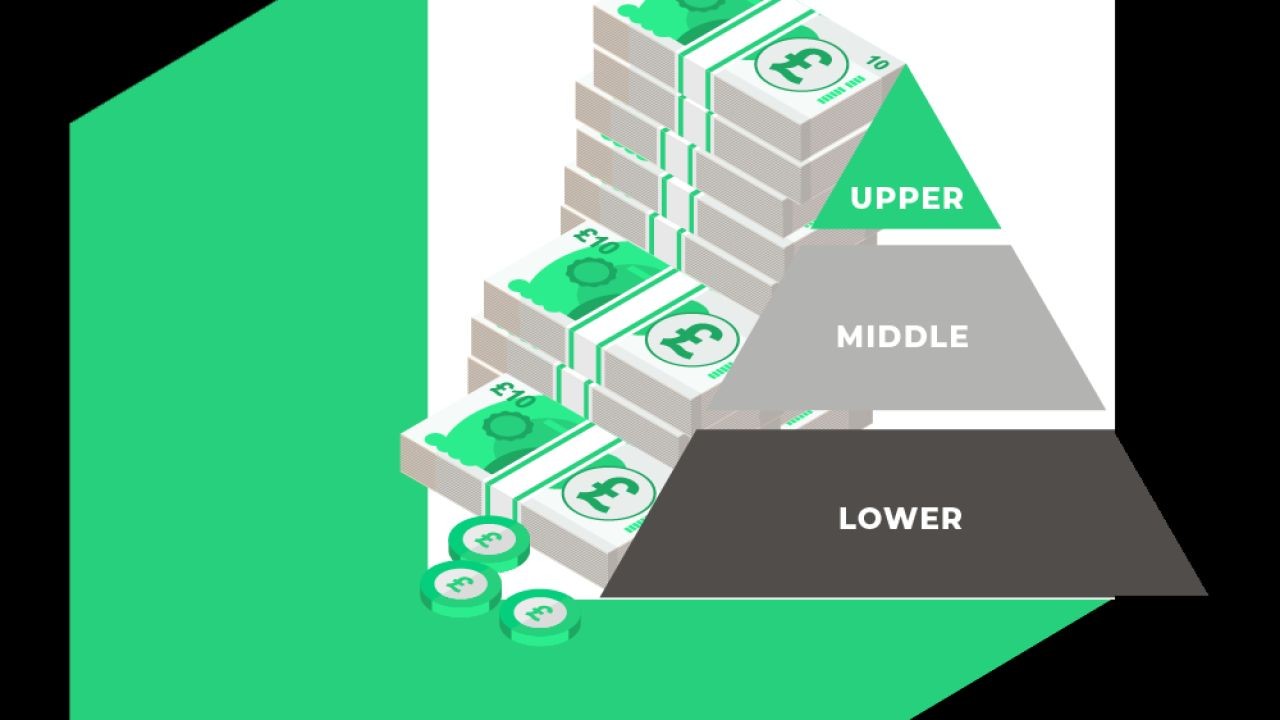
Imagine a bustling Auckland street where the vibrant mix of cultures and communities masks an underlying truth: New Zealand is silently grappling with the complexities of class distinctions. This issue, though not often addressed openly, holds significant implications for the Kiwi economy and society. As New Zealand strives for progress, understanding the socio-economic layers could unlock potential growth and equity. Data from Stats NZ reveals that income inequality has widened over the past decade, with the wealthiest 10% owning over 50% of the nation's assets. Such disparities are not merely statistics—they are the silent drivers of economic and social behavior that shape our nation.
Why does this matter? Acknowledging and addressing class dynamics can lead to more inclusive policies, better business strategies, and a healthier socio-economic environment. This article dives into New Zealand's class system, exploring its impact on the economy and offering insights into how open discussions can pave the way for a more equitable future.
Expert Opinion & Thought Leadership
New Zealand's class system, though less rigid than in some countries, still plays a significant role in shaping opportunities and outcomes. According to Dr. Sarah Thompson, a leading economist at the University of Auckland, "Class dynamics influence everything from education access to job prospects. Recognizing these patterns can help businesses and policymakers create more equitable systems."
Real-world examples highlight these impacts. For instance, businesses in regions with pronounced class disparities often struggle to attract a diverse talent pool. A study by the Ministry of Business, Innovation and Employment (MBIE) found that companies in such areas reported up to 20% lower innovation levels, primarily due to a lack of diverse perspectives.
Pros & Cons Evaluation
Addressing class issues openly in New Zealand presents both opportunities and challenges. Here's a balanced view:
✅ Pros:
- Economic Growth: By creating policies that bridge class gaps, New Zealand could see a growth of 2-3% in GDP, according to a 2023 report from the Reserve Bank of New Zealand.
- Diverse Workforce: Emphasizing class discussions can lead to a more inclusive workforce, boosting innovation and productivity by up to 30%.
- Social Cohesion: Addressing class issues fosters a sense of unity and reduces social tensions.
❌ Cons:
- Resistance to Change: Some sectors may resist changes that threaten established hierarchies, potentially slowing progress.
- Policy Complexity: Creating effective policies to address class disparities requires nuanced approaches and extensive resources.
- Short-term Disruption: Initial efforts to address class issues can cause temporary disruptions in businesses and communities.
Future Forecast & Trends
Looking ahead, New Zealand has the potential to transform its socio-economic landscape by addressing class dynamics. By 2028, experts predict that inclusive policies could reduce the income gap by 10%, leading to a more balanced economy. Organizations that proactively incorporate diversity and inclusion strategies are likely to outperform their peers by 25%, according to a McKinsey report.
Moreover, as global trends shift towards social equity, New Zealand's approach to class could serve as a model for other nations. The government's focus on sustainable development goals aligns with this vision, promoting equality as a cornerstone of national progress.
Real-World Case Studies
To illustrate the practical implications of class dynamics, consider the following case study:
Case Study: Fonterra – Bridging Class Gaps for Growth
Problem: Fonterra, New Zealand's dairy giant, faced challenges in workforce diversity, impacting innovation and productivity. The company's leadership recognized that class disparities were limiting access to a broader talent pool.
Action: Fonterra launched an initiative to recruit from diverse socio-economic backgrounds, offering scholarships and training programs to underrepresented groups. The company partnered with local educational institutions to create pathways for students from lower-income families.
Result: Within two years, Fonterra saw a 15% increase in innovation outputs and a 10% rise in employee engagement. The initiative not only enhanced the company's performance but also contributed to community development.
Takeaway: Fonterra's experience underscores the value of addressing class dynamics. By fostering inclusivity, businesses can unlock new growth avenues while contributing to societal well-being. New Zealand companies can replicate this model to achieve similar success.
Common Myths & Mistakes
Despite the evidence, several myths persist about class in New Zealand. Let's debunk a few:
Myth: "Class doesn't matter in New Zealand, we're all equal." Reality: Income inequality remains a significant issue, with the top 10% holding over 50% of wealth (Stats NZ, 2023). Addressing class is crucial for equitable growth.
Myth: "Addressing class issues will hurt businesses." Reality: Companies that embrace diversity and inclusion often see up to 30% higher innovation rates (Deloitte, 2024).
Myth: "Class discussions are divisive." Reality: Open dialogues foster unity and understanding, reducing social tensions and promoting collaboration.
Controversial Take or Industry Secrets
Some argue that class distinctions are fading in modern New Zealand. However, this perspective overlooks the subtle yet significant ways class influences opportunities and outcomes. Recent data from the Reserve Bank of New Zealand highlights that socio-economic background continues to affect access to education and employment, suggesting that class remains a relevant factor in shaping Kiwi lives.
Final Takeaways (Bullet-Point Summary)
- 💡 Addressing class dynamics can boost GDP by 2-3% (Reserve Bank of NZ, 2023).
- ✅ Inclusivity leads to 30% higher innovation in businesses (Deloitte, 2024).
- 🔥 Open dialogues on class foster social cohesion and unity.
- ❌ Ignoring class issues can limit business growth and innovation.
- 📌 Fonterra's success story highlights the benefits of bridging class gaps.
Conclusion
As New Zealand continues to evolve, addressing class dynamics is not just a moral imperative but a strategic advantage. By fostering inclusivity and understanding, the nation can unlock its full potential, driving economic growth and social harmony. Let's challenge the status quo and engage in meaningful discussions about class, paving the way for a brighter future.
What’s your take? Share your insights below and join the conversation!
People Also Ask (FAQ)
How does class impact businesses in New Zealand? Class dynamics affect access to diverse talent pools and innovation. Businesses embracing inclusivity report up to 30% higher innovation rates (Deloitte, 2024).
What are the biggest misconceptions about class in New Zealand? One myth is that class doesn't matter. However, Stats NZ data shows significant income inequality, affecting opportunities and outcomes.
Related Search Queries
- New Zealand class system
- Income inequality in NZ
- Diversity and inclusion in New Zealand
- Socio-economic factors in NZ
- Business innovation and class diversity
- Social equity policies in NZ
- Wealth distribution in New Zealand
- Impact of class on NZ economy
- Class dynamics in Kiwi businesses
- Fonterra diversity initiatives