






Introduction
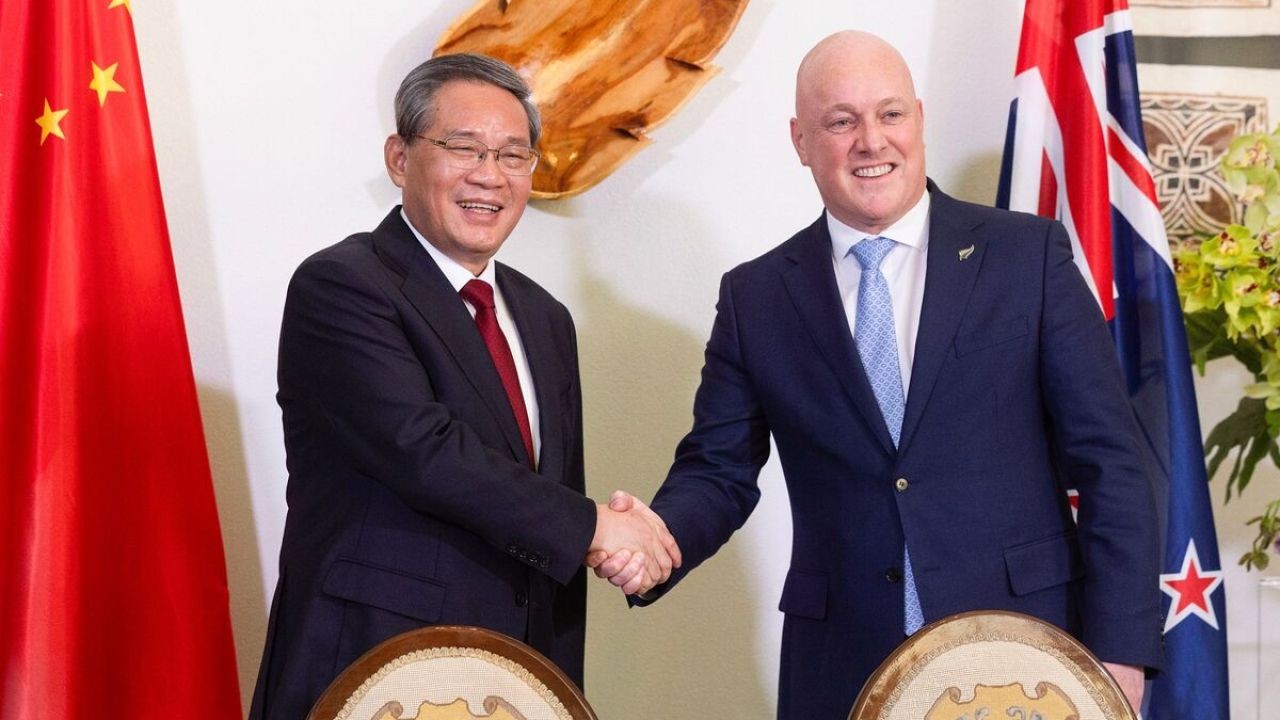
Imagine a world where New Zealand, known for its pristine landscapes and thriving agriculture, fails to seize the economic opportunities available just across the ocean. The economic ties between New Zealand and Asia are not just beneficial—they're imperative for sustained growth. With Asia accounting for nearly 60% of global GDP growth, it's critical for New Zealand to deepen its connections with this dynamic region. However, as we navigate the intricacies of international trade, we must ask: are we leveraging these ties effectively, or are we missing the boat?
New Zealand's economy heavily relies on exports, with Asia being a significant trading partner. According to Stats NZ, China alone accounted for 28% of New Zealand's total exports in 2022, underscoring the importance of this relationship. But the path forward is fraught with challenges, from geopolitical tensions to fluctuating tariffs. This article explores why strengthening economic ties with Asia is vital for New Zealand, the hurdles we face, and how businesses can strategically position themselves to benefit from this alliance.
Case Study: Fonterra's Strategic Pivot to Asia
Problem: Fonterra, New Zealand's largest dairy cooperative, faced stagnation in its traditional markets. With increasing competition and shifting consumer preferences, Fonterra needed to find new avenues for growth.
Action: Recognizing Asia's burgeoning middle class and their growing demand for dairy products, Fonterra shifted its focus towards Asian markets. By tailoring products to meet local tastes and establishing joint ventures in China and Southeast Asia, Fonterra positioned itself as a major player in these regions.
Result: Within two years, Fonterra's revenue from Asia increased by 35%, and its market share in China grew by 15%. This strategic pivot not only revitalized Fonterra's growth trajectory but also reinforced New Zealand's position as a key dairy supplier to Asia.
Takeaway: Fonterra's success underscores the importance of understanding local markets and adapting strategies accordingly. For New Zealand businesses, the lesson is clear: Asia offers untapped potential that can drive significant growth.
Data-Driven Analysis: The Economic Impact of Asian Ties
According to the Reserve Bank of New Zealand, the Asia-Pacific region is expected to contribute 40% of global GDP by 2030. This data highlights the importance of strengthening economic ties with Asia to secure New Zealand’s future growth. Moreover, the Ministry of Business, Innovation, and Employment (MBIE) reports that New Zealand's exports to Asia have grown by 25% over the past five years, further demonstrating the region's economic significance.
Pros and Cons of Strengthening Ties with Asia
Pros:
- Market Expansion: Access to Asia’s growing consumer base presents significant opportunities for New Zealand businesses.
- Diversification: Strengthening ties with Asia reduces New Zealand's economic reliance on traditional markets.
- Innovation and Collaboration: Partnerships with Asian companies can drive innovation and technological advancements.
Cons:
- Geopolitical Risks: Tensions in the Asia-Pacific region could disrupt trade and economic stability.
- Cultural Barriers: Differences in business practices and consumer preferences can pose challenges for Kiwi businesses.
- Regulatory Complexity: Navigating different regulatory environments can be resource-intensive.
Debunking Myths About New Zealand-Asia Economic Relations
Myth: "New Zealand doesn’t need Asia; it should focus on traditional Western markets."
Reality: While Western markets are important, Asia’s economic growth and demand for New Zealand’s primary exports make it a crucial partner.
Myth: "Doing business in Asia is too complex due to cultural differences."
Reality: While cultural differences exist, successful companies like Fonterra demonstrate that understanding and adapting to these differences can yield substantial rewards.
Future Trends and Predictions
By 2030, it is predicted that 50% of New Zealand's exports will go to Asia, driven by the region's rapid urbanization and increasing demand for premium products. The MBIE suggests that New Zealand businesses that invest in understanding Asian markets and consumer behavior will be best positioned to capitalize on this growth.
Conclusion
In conclusion, New Zealand's economic future is inextricably linked to Asia. By strategically enhancing our economic ties, Kiwi businesses can access new markets, drive innovation, and ensure sustainable growth. However, this requires a proactive approach to overcoming cultural and regulatory challenges. As we look ahead, the question remains: are New Zealand businesses ready to embrace Asia, or will they be left behind? Share your thoughts and strategies for strengthening these vital economic ties!
Related Search Queries
- New Zealand Asia economic relations
- Fonterra Asia market strategy
- New Zealand export statistics
- Asia-Pacific economic growth impact
- New Zealand trade partnerships