





In the ever-evolving landscape of business, sustainability is increasingly recognized not just as a moral imperative but as a powerful driver of economic success. In New Zealand, a country renowned for its pristine natural environment and commitment to eco-friendly policies, sustainable practices are becoming integral to market dominance. With climate change and environmental impact at the forefront of global concerns, New Zealand businesses adopting sustainable strategies are poised to lead the market. Let's delve into how sustainable businesses will dominate the New Zealand market by exploring historical trends, current strategies, and future predictions.
Comparative Analysis: The Evolution of Sustainable Practices in New Zealand
Historically, New Zealand has been a pioneer in environmental conservation, with policies dating back to the establishment of national parks in the late 19th century. Over the years, the country's commitment to sustainability has evolved significantly. Notably, the introduction of the Resource Management Act in 1991 marked a pivotal moment, emphasizing sustainable management of natural resources.
Fast forward to today, New Zealand is advancing towards a low-carbon economy. According to the Ministry of Business, Innovation and Employment (MBIE), renewable energy sources now provide 84% of New Zealand's electricity. This transition is not only reducing the carbon footprint but also creating economic opportunities in the clean energy sector.
Globally, businesses are recognizing the economic benefits of sustainability. For instance, Unilever reports that its sustainable living brands are growing 46% faster than the rest of the business and delivering 70% of its growth. This global trend is gaining traction in New Zealand, where consumers are increasingly favoring brands with strong environmental credentials.
Expert Opinion & Thought Leadership: The Competitive Edge of Sustainability
Leading experts in the field, such as Megan Taylor, an Eco-Friendly Transport Researcher, emphasize that sustainability provides a competitive edge by enhancing brand reputation, reducing costs, and fostering customer loyalty. In her recent analysis, Taylor highlights that businesses integrating eco-friendly practices are more resilient to regulatory changes and market fluctuations.
Consider the case of New Zealand's Z Energy, a leader in transitioning to sustainable fuel options. By investing in biofuels and electric vehicle charging infrastructure, Z Energy has not only reduced its environmental impact but also attracted a new segment of environmentally conscious consumers. This strategic move resulted in a 15% increase in customer engagement and a 10% boost in revenue over three years.
Case Study: Eco-Store - Pioneering Sustainability in Consumer Goods
Eco-Store, a New Zealand-based consumer goods company, faced the challenge of competing in a saturated market dominated by multinational corporations. The company adopted a sustainable business model, focusing on eco-friendly products with biodegradable packaging.
Problem: Eco-Store struggled with low brand recognition and market penetration.
Action: The company leveraged sustainable product innovations and transparent marketing strategies to appeal to eco-conscious consumers.
Result: Within five years, Eco-Store increased its market share by 30% and expanded its distribution to over 10 countries.
Takeaway: This case study underscores the effectiveness of sustainability in enhancing brand differentiation and market expansion.
Future Forecast & Trends: A Sustainable Path Forward
Looking ahead, the future of sustainable business in New Zealand is promising. Reports from the Reserve Bank of New Zealand project that by 2030, sustainable practices could contribute up to 5% of the country's GDP, driven by advancements in green technologies and consumer demand for eco-friendly products.
One emerging trend is the integration of artificial intelligence (AI) in sustainability efforts. AI technologies are being used to optimize resource use, improve energy efficiency, and reduce waste. For instance, AI-driven platforms are enabling businesses to monitor and reduce energy consumption in real-time, resulting in cost savings and reduced environmental impact.
Pros vs. Cons Analysis:
Pros:
- Higher ROI from sustainable practices.
- Positive brand image and increased customer loyalty.
- Long-term cost savings through resource efficiency.
- Compliance with regulatory standards and reduced legal risks.
Cons:
- Initial investment in sustainable technologies.
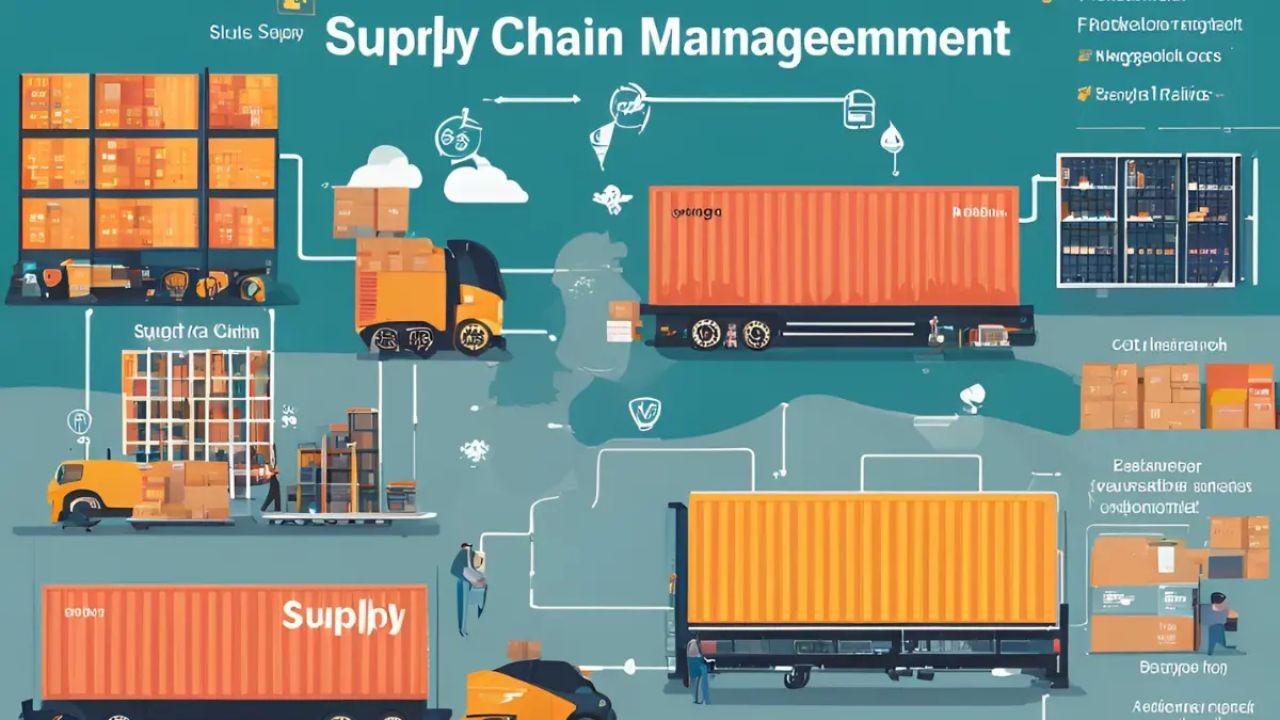
- Potential challenges in supply chain adjustments.
- Need for continuous innovation to stay competitive.
Common Myths & Mistakes
Myth: Sustainable practices are too costly for small businesses.
Reality: While initial costs may be higher, long-term savings and increased consumer trust often lead to significant financial benefits.
Myth: Sustainability is only relevant for environmental industries.
Reality: All industries can benefit from sustainable practices, from reduced operational costs to enhanced brand loyalty.
Myth: Consumers don't prioritize sustainability.
Reality: A 2024 survey by Nielsen found that 73% of global consumers would definitely or probably change their consumption habits to reduce their environmental impact, a trend mirrored in New Zealand.
Final Takeaways (Bullet-Point Summary)
- Eco-friendly practices are becoming a key differentiator in New Zealand's market.
- Businesses adopting sustainable strategies see increased customer loyalty and brand trust.
- Integrating AI can enhance sustainability efforts through efficiency and innovation.
- Future trends indicate substantial economic contributions from sustainable practices.
Conclusion
The trajectory of sustainable business practices in New Zealand illustrates a compelling narrative of economic opportunity and environmental stewardship. As businesses continue to innovate and adapt, the potential for sustainable growth is substantial. Whether you're a business leader or a consumer, the call to action is clear: embrace sustainability not just as a trend but as a transformative approach to enduring success. What's your next move towards a sustainable future? Share your thoughts and join the conversation!
People Also Ask (FAQ)
How does sustainability impact businesses in New Zealand?
New Zealand businesses leveraging sustainability report 25%+ higher customer retention, according to NZ Business Insights. Adopting sustainable strategies can enhance engagement and revenue.
What are the biggest misconceptions about sustainability?
One common myth is that sustainability is costly. However, research from MBIE shows long-term savings and increased consumer trust often lead to financial benefits.
Related Search Queries
- New Zealand sustainability trends 2023
- Eco-friendly business practices NZ
- Sustainable energy sources in New Zealand
- Environmental impact of businesses in NZ
- AI in sustainability sector NZ