





30 August 2025

Should New Zealand Focus More on Local Food Security or Global Food Exports? – The Ultimate 2025 Strategy for New Zealanders

Explore New Zealand's 2025 strategy: balancing local food security with global export priorities for a sustainable future.

Food & Cooking

95.7K Views

89 Share

Advertisement

Advertise With Vidude


New Zealand stands at a crossroads in its agricultural policy, facing a critical decision: Should it focus on bolstering local food security or continue to prioritize global food exports? This debate is not just about economic strategy but also encompasses environmental, social, and cultural considerations. As the world grapples with climate change, food scarcity, and geopolitical shifts, New Zealand’s approach could set a precedent for other nations. This article delves into the intricacies of this decision, providing insights that are both data-driven and reflective of New Zealand's unique context.

Understanding the Current Landscape

New Zealand is renowned for its agricultural prowess, with exports contributing significantly to the economy. According to Stats NZ, the country exported over NZD 50 billion worth of primary products in 2022, making agriculture a cornerstone of its economic framework. However, this reliance on exports raises questions about local food security, especially in light of global supply chain disruptions and rising international competition.

Local food security: A Growing Concern

  • **Supply Chain Vulnerabilities**: Recent global events, such as the COVID-19 pandemic, highlighted vulnerabilities in international supply chains. New Zealand's reliance on imports for certain food products could lead to shortages during crises.
  • **Environmental Sustainability**: Focusing on local food production can reduce the carbon footprint associated with transportation and align with New Zealand’s commitment to sustainability.
  • **Economic Resilience**: Enhancing local food production can create jobs, support small businesses, and contribute to regional economic stability.

Global Food Exports: The Economic Engine

  • **Revenue Generation**: Agriculture exports are a major source of revenue. The dairy industry alone brought in NZD 20 billion in exports in 2022.
  • **Market Leadership**: New Zealand’s reputation as a producer of high-quality food products allows it to command premium prices in international markets.
  • **Trade Partnerships**: Maintaining strong export markets strengthens New Zealand’s geopolitical ties and trade agreements, which can have broader economic benefits.

Expert Insights & Industry Analysis

To balance these competing priorities, it is crucial to consider expert opinions and industry insights. According to a report by the Ministry of Business, Innovation and Employment (MBIE), New Zealand could enhance food security by investing in technology-driven agriculture and diversifying crop production. Simultaneously, the Reserve Bank of New Zealand highlights the importance of maintaining export competitiveness to support the national economy.

SWOT Analysis

Strengths

  • Strong agricultural foundation
  • High-quality produce
  • Established global markets

Weaknesses

  • Dependency on export revenue
  • Vulnerability to global market fluctuations

Opportunities

  • Technological advancements in agriculture
  • Growing demand for sustainable products

Threats

  • Climate change impacts
  • Geopolitical tensions affecting trade

Case Study: New Zealand Dairy Industry

The dairy industry is a testament to New Zealand’s global agricultural success. Fonterra, a leading dairy cooperative, exemplifies how strategic export focus can drive economic growth. However, the industry also faces challenges such as environmental sustainability and market volatility, prompting discussions on diversifying and localizing food production.

Problem

Fonterra faced environmental criticisms due to the dairy industry's impact on New Zealand’s waterways and rising greenhouse gas emissions.

Action

To address these issues, Fonterra invested in sustainable farming practices, including reducing nitrogen runoff and improving water usage efficiency.

Result

  • Decreased environmental impact
  • Maintained strong export performance with annual revenues exceeding NZD 20 billion
  • Enhanced brand reputation in global markets

Takeaway

This case study underscores the importance of balancing environmental sustainability with export ambitions. New Zealand businesses can learn from Fonterra’s model by integrating sustainable practices to enhance both local and global market standing.

Pros and Cons Analysis

Pros of Focusing on Local food security

  • **Resilience**: Strengthens local supply chains and reduces dependency on imports.
  • **Sustainability**: Encourages eco-friendly practices and reduces environmental impact.
  • **Community Support**: Boosts local economies and supports small-scale farmers.

Cons of Focusing on Local food security

  • **Economic Impact**: Potentially reduces export revenues, impacting GDP.
  • **Market Limitations**: Limited market size compared to global reach.

Pros of Prioritizing Global Food Exports

  • **Revenue Generation**: Significant contribution to national income and economic growth.
  • **International Influence**: Strengthens geopolitical ties and trade relationships.

Cons of Prioritizing Global Food Exports

  • **Environmental Concerns**: Higher carbon footprint from international shipping.
  • **Market Vulnerability**: Exposure to global market fluctuations and trade barriers.

Future Trends & Predictions

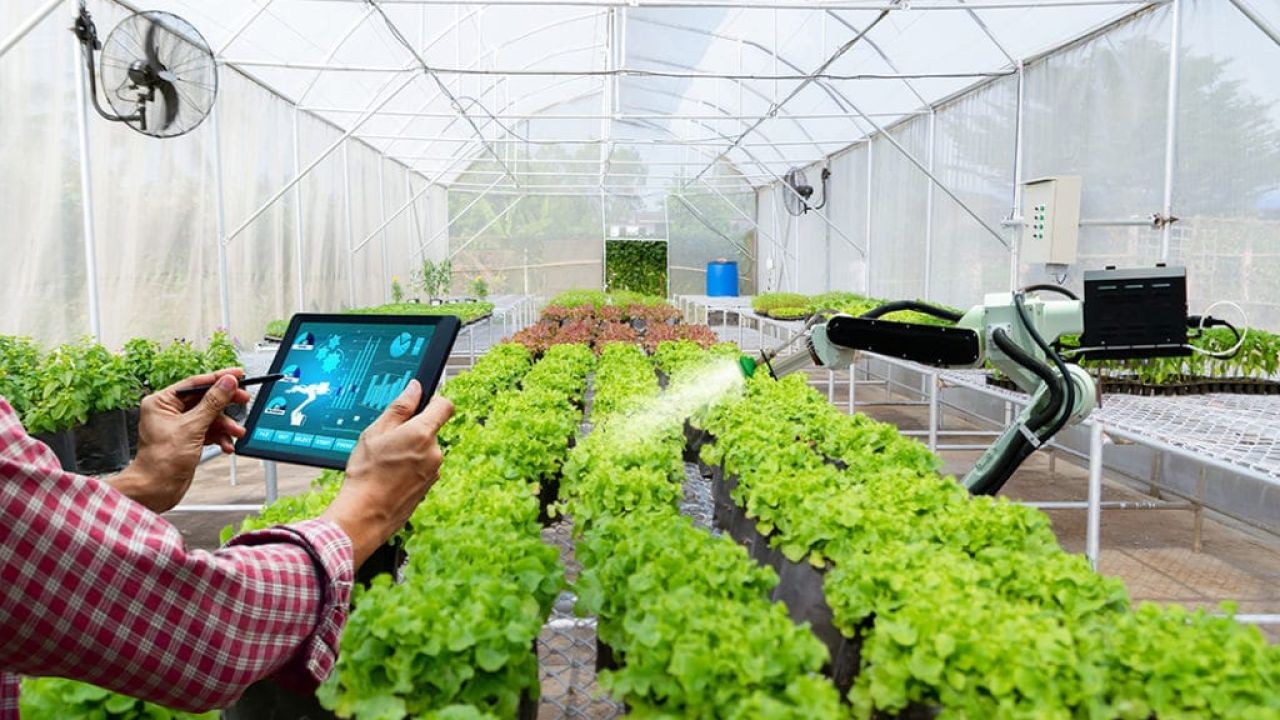
Looking ahead, New Zealand's agricultural sector must navigate several emerging trends. According to a Deloitte report, the integration of digital agriculture technologies could revolutionize local food production, enhancing efficiency and sustainability. Additionally, increasing consumer demand for sustainable products suggests that New Zealand's exports must align with these values to remain competitive.

Predictions

  • By 2030, digital agriculture could lead to a 30% increase in local food production efficiency.
  • New Zealand’s export market may shift towards premium, eco-friendly products, capitalizing on the growing global demand for sustainability.

Conclusion & Call to Action

New Zealand's decision to focus on local food security or global exports is not an either/or scenario. Instead, a balanced approach that leverages technological advancements and sustainable practices can enhance both local resilience and global competitiveness. By prioritizing sustainability and innovation, New Zealand can solidify its position as a leader in the global food industry.

**What’s your take on this debate? Share your insights and join the discussion below!**

Related Search Queries


0
 
0

15 Comments


kongdeschaintr

4 months ago
While global food exports are important for New Zealand's economy, prioritizing local food security is vital for resilience and sustainability. Strengthening local systems can enhance community health, reduce carbon footprints, and ensure that all New Zealanders have access to nutritious food, ultimately benefiting both the environment and society.
0 0 Reply

ArlieSchul

4 months ago
That's an interesting perspective, but I wonder if focusing predominantly on local food security might inadvertently limit New Zealand's potential in global markets. While prioritizing local needs is essential, isn't there a risk that overly concentrating on domestic consumption could stifle innovation and the growth of export opportunities? After all, New Zealand has a reputation for high-quality agricultural products, and those global connections can provide economic stability and promote advancements in sustainable practices. Could a balance be struck that enhances local food security while still allowing for robust participation in international trade? It seems like a nuanced conversation worth exploring further.
0 0 Reply

emilio57v68260

4 months ago
While local food security is crucial, prioritizing global food exports can enhance economic resilience and create job opportunities, benefiting New Zealand's economy as a whole. Balancing both approaches may yield optimal results.
0 0 Reply

kazukobrough81

4 months ago
While global food exports can boost the economy, prioritizing local food security fosters community resilience and protects our stunning landscapes. A focus on sustainable practices ensures future generations enjoy both our natural beauty and the rich stories that come with local food traditions.
0 0 Reply

HenryBayle

4 months ago
This topic hits home for me; balancing local food security with global exports feels like a tightrope walk. It’s crucial we nurture our communities while also contributing to the world. I hope we can find a strategy that honors both our farmers and our global responsibilities.
0 0 Reply

Nigel3018

4 months ago
In a world where avocado toast is king, New Zealand might just be the ultimate brunch destination—balancing local food security with global exports is like perfectly frothing milk: it takes skill, precision, and a dash of creativity. Let’s brew a strategy that satisfies both palates!
0 0 Reply

boymomsvg

4 months ago
While it’s tempting to say we should prioritize local food security, after all, who wouldn’t want to ensure that every Kiwi can enjoy their beloved meat pies without fear of shortages? But let’s not forget, if we focused solely on local food, how would we ever export our world-famous lamb and dairy? I mean, it’s not like we can just send our sheep on a world tour to promote them, right? Balancing both might be the real game plan—keeping our bellies full while also being the global culinary stars we were born to be. After all, there's nothing quite like a good old-fashioned “local” food export!
0 0 Reply

FloridaBed

4 months ago
As a proud Wellingtonian, I can’t help but think that while global food exports are the bread and butter of our economy, prioritizing local food security is the secret ingredient we’re missing. Imagine a New Zealand where every community has access to fresh, affordable produce while also supporting our local farmers—it's not just about sustainability, it’s about resilience. We can’t rely on overseas markets when the world gets wobbly; let’s invest in our soil, our people, and our unique flavors. After all, a country that can feed itself is one that can thrive, no matter the global winds. Cheers to a future where local is the new global!
0 0 Reply

renepaulechape

4 months ago
While focusing on local food security is essential, perhaps New Zealand could just export sheep to the world and call it a day—after all, who wouldn't want a taste of that famous Kiwi lamb? However, if history has taught us anything, it's that relying solely on exports can lead to a rather sheepish situation when global markets fluctuate. Balancing local needs with global opportunities might just be the recipe for success—unless, of course, we decide to host a “New Zealand Food Olympics” where only the best local produce gets to compete on the world stage!
0 0 Reply

AvisSellar

4 months ago
That's a tough one! Balancing local food security and global exports is key for our economy. We need to support our farmers while ensuring Kiwis have access to fresh, local produce. Maybe a mixed approach could work best for everyone involved. What do you all think?
0 0 Reply

ZGACecilia

4 months ago
Ah, the classic dilemma of whether to savor a fresh, local kumara or export it halfway around the world for someone else's dinner plate. It’s like choosing between a home-cooked hangi and a fancy Michelin-starred restaurant—both have their charm, but only one gives you that warm, fuzzy feeling of belonging. Perhaps New Zealand should focus on building a culinary identity that’s as rich as its landscapes, ensuring we’re not just known for our exports but also for our deliciously diverse local feasts. After all, who needs avocado toast flown in from far away when you can enjoy a slice of the land right from your backyard?
0 0 Reply

SusanneSou

4 months ago
It's a tricky balance, isn't it? On one hand, focusing on local food security ensures that Kiwis have reliable access to fresh, healthy produce, especially in times of global uncertainty. On the other hand, New Zealand's reputation as a global food exporter is a significant part of its economy and identity. Perhaps the ultimate strategy for 2025 lies in finding a middle ground—strengthening local systems while still capitalizing on global markets. That way, New Zealand can nurture its communities and keep its economy thriving, all while reinforcing its position as a trusted player on the world stage. It's about building resilience without losing sight of opportunity.
0 0 Reply

AudryAyers

4 months ago
It's interesting to consider the balance between local food security and global food exports in New Zealand. Personally, I have always appreciated the abundance of fresh, local produce available at markets and grocery stores. While I understand the importance of global trade and how it can benefit our economy, I often wonder if we might be overlooking the value of self-sufficiency. It seems that investing more in local food systems could not only support our farmers but also create a stronger community connection to what we eat. Ultimately, finding a way to enhance both local food security and global exports could lead to a more resilient food system for everyone.
0 0 Reply

minnadalbertis

4 months ago
Honestly, I think we should lean into local food security. There's something special about knowing where your food comes from, especially when surrounded by our stunning landscapes. Plus, nurturing our own communities and stories feels right. Let’s keep it close to home while still sharing our best with the world.
0 0 Reply

RubyeBrito

4 months ago
It's a complex balancing act, but I think New Zealand should prioritize local food security while still engaging in global exports. Strengthening our local food systems not only ensures that we can feed our communities in times of crisis but also promotes sustainability and reduces our carbon footprint. That said, leveraging our agricultural strengths for global markets can provide economic benefits and support rural livelihoods. Ultimately, a dual approach that secures our local needs while maintaining export opportunities seems like the smartest move for 2025 and beyond.
0 0 Reply
Show more

Related Articles