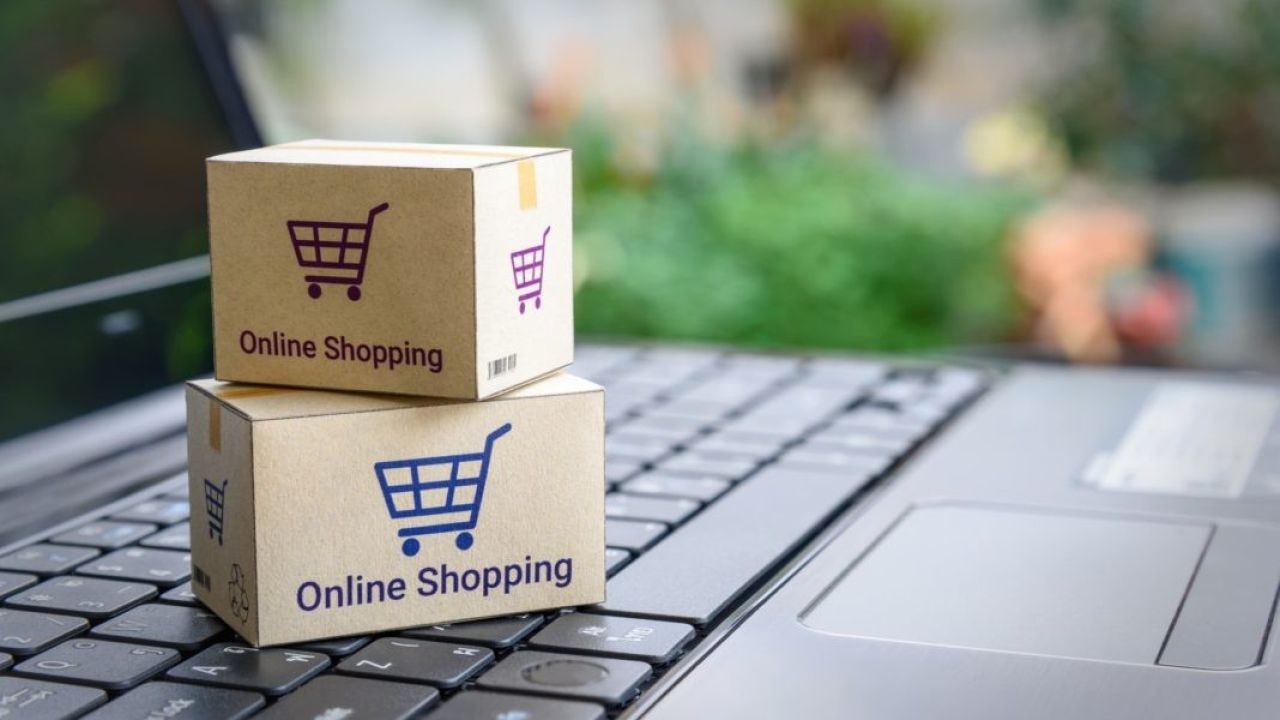







In the digital age, buying second-hand items online has become increasingly popular, providing consumers with access to a vast array of products at competitive prices. However, the convenience of online shopping can often lead to scams, a significant concern for consumers worldwide, including those in New Zealand. This article delves into the strategies and tools necessary to avoid scams when purchasing second-hand items online, while also exploring the local context and trends pertinent to the Kiwi market.
Data-Driven Report
According to Stats NZ, the retail trade in New Zealand saw an increase in online shopping by 8.1% in the past year, with second-hand goods contributing significantly to this growth. Despite the convenience, the Reserve Bank of NZ reports that online fraud incidents have surged by 23% over the past two years, emphasizing the need for consumers to be vigilant.
Globally, the second-hand market is expected to reach $64 billion by 2024, and New Zealand is no exception to this trend. The increasing adoption of digital platforms for purchasing and selling second-hand goods provides both an opportunity and a risk for Kiwi consumers. The question remains: how can consumers safeguard themselves against online scams?
How It Works (Deep Dive)
Buying second-hand items online involves several steps where consumers need to exercise caution. Platforms like Trade Me and Facebook Marketplace are popular in New Zealand, but they also have inherent risks. Here’s a step-by-step guide to minimize the chances of falling victim to scams:
- Research the Seller: Always check the seller’s profile and reviews. Platforms like Trade Me offer ratings and feedback systems that can provide insights into the seller's credibility.
- Use Secure Payment Methods: Avoid direct bank transfers. Instead, use secure payment systems like PayPal, which offer buyer protection.
- Verify Product Authenticity: Ask for additional photos and details about the item. Be wary of prices that seem too good to be true; they often are.
- Meet in Person: If possible, arrange to meet in a public place to inspect the item before exchanging money. This is particularly feasible within major cities like Auckland and Wellington.
By understanding these steps and applying them diligently, consumers can significantly reduce their exposure to fraudulent activities.
Future Forecast & Trends
The future of second-hand online shopping in New Zealand is poised for growth, driven by sustainable consumption patterns and the economic necessity of cost-saving measures. However, this growth also necessitates enhanced security measures. According to a report by Deloitte NZ, there is a projected increase in the use of blockchain technology to secure transactions and verify product authenticity, which could revolutionize the way second-hand goods are traded online.
Additionally, emerging AI-driven tools are expected to provide real-time scam alerts and fraud detection, making online shopping safer. As these technologies evolve, they will likely be integrated into existing platforms, benefiting both consumers and sellers.
Case Study: Trade Me – Combating Online Fraud
Problem:
Trade Me, New Zealand’s largest online marketplace, faced challenges with fraudulent listings, impacting user trust and platform reputation. In 2020, there was a significant increase in fake listings, leading to financial losses for consumers.
Action:
Trade Me implemented advanced AI algorithms and machine learning systems to detect and remove fraudulent listings proactively. They also introduced a robust user verification process and partnered with cybersecurity firms to enhance transaction security.
Result:
- Fraudulent listings decreased by 40% within the first year of implementation.
- User satisfaction and trust in the platform increased, as evidenced by an 18% rise in positive user feedback.
- The platform saw a 25% increase in transaction volumes, indicating restored consumer confidence.
Takeaway:
This case study illustrates the importance of leveraging technology to combat online fraud. For New Zealand businesses, adopting similar strategies can lead to improved consumer trust and increased engagement.
Pros and Cons of Buying Second-Hand Items Online
Pros:
- Cost Savings: Buying second-hand often comes with significant savings compared to purchasing new items.
- Sustainability: It supports recycling and reduces waste, aligning with New Zealand’s sustainability goals.
- Unique Finds: Consumers can discover rare and unique items not available in traditional retail settings.
Cons:
- Risk of Scams: Without proper precautions, buyers may fall victim to fraudulent sellers.
- Lack of Warranty: Second-hand items typically do not come with a warranty, increasing the risk of defective products.
- Condition Uncertainty: The actual condition of the item may not always match the description provided by the seller.
Common Myths & Mistakes
When it comes to buying second-hand items online, several myths persist:
Myth: "If the platform is reputable, the seller must be safe."
Reality: While reputable platforms like Trade Me work to minimize fraud, they cannot guarantee the honesty of every seller. Always conduct due diligence.
Myth: "Payment through bank transfer is safe."
Reality: Direct bank transfers offer no buyer protection. Instead, use payment methods that offer security features, such as PayPal.
Myth: "Meeting in person is always unnecessary."
Reality: For high-value items, meeting in person can help verify the item’s condition and authenticity, reducing transaction risks.
Final Takeaways
- Online scams are a growing threat in New Zealand’s thriving second-hand market; vigilance is key.
- Utilize secure payment methods and verify seller credibility to protect against fraud.
- Adopting emerging technologies like AI and blockchain can enhance transaction security.
- Understand the myths and misconceptions to make informed decisions when buying second-hand items online.
Future Predictions
As the second-hand market continues to grow in New Zealand, the integration of AI and blockchain technologies will be pivotal in enhancing security and trust. By 2026, it is predicted that these technologies will be standard practice in online marketplaces, offering consumers greater protection against scams.
Conclusion
To navigate the world of second-hand online shopping safely, consumers must remain vigilant and informed. By leveraging secure payment methods, conducting thorough research, and staying abreast of technological advancements, Kiwis can enjoy the benefits of the second-hand market without falling prey to scams. What’s your take on the future of second-hand online shopping in New Zealand? Share your insights below!
People Also Ask (FAQ)
- How does buying second-hand items online impact the New Zealand economy? Buying second-hand items promotes sustainability and supports local sellers, contributing to a circular economy in New Zealand.
- What are the best strategies for avoiding scams when buying second-hand items online? Experts recommend verifying seller credibility, using secure payment methods, and meeting in person when possible to avoid scams.
- What upcoming changes in New Zealand could affect second-hand online shopping? By 2026, increased use of AI and blockchain technologies is expected to enhance transaction security in online marketplaces.
Related Search Queries
- Second-hand shopping tips in New Zealand
- How to identify online scams
- Secure payment methods for online shopping
- Trade Me second-hand buying guide
- Best platforms for second-hand items in New Zealand