




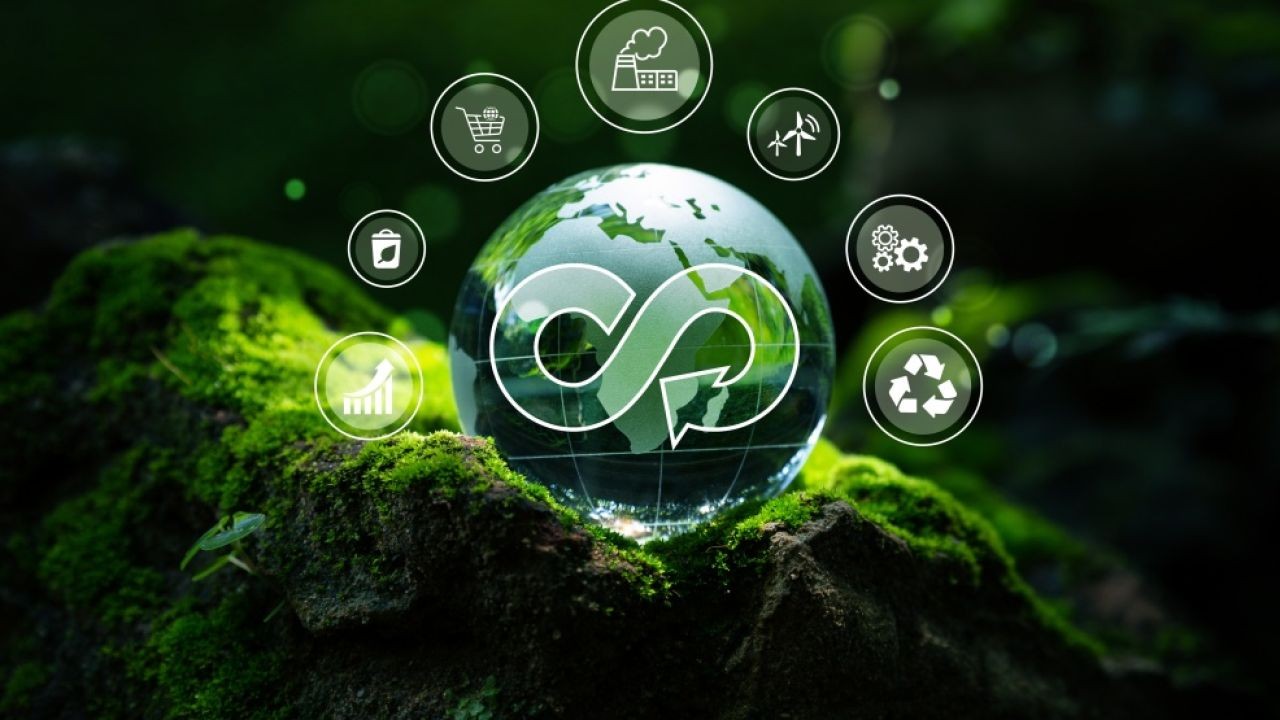
The world is witnessing a transformative shift in how resources are utilized, driven by the principles of the circular economy. This paradigm shift is not just an environmental imperative but a compelling economic opportunity, offering a sustainable model for reducing global waste. In New Zealand, as well as globally, the circular economy is increasingly being recognized as a catalyst for economic growth, innovation, and sustainable development.
The Historical Evolution of the Circular Economy
Historically, the linear economy—characterized by a 'take-make-dispose' model—has dominated industries worldwide. This approach has led to resource depletion, environmental degradation, and an unsustainable level of waste generation. The concept of the circular economy emerged as a response to these challenges, promoting a closed-loop system where resources are reused, remanufactured, and recycled.
In New Zealand, the adoption of circular economy principles can be traced back to the early 2000s when environmental concerns began influencing policy and industry practices. The country's commitment to sustainability has accelerated the shift towards circularity, with initiatives such as the Waste Minimisation Act 2008 laying the groundwork for a more sustainable future.
Data-Driven Insights: New Zealand’s Circular Economy
Current data from Stats NZ indicates that New Zealand generates over 17 million tonnes of waste annually, with construction and demolition waste contributing significantly to this figure. However, the push towards a circular economy has seen initiatives like the "Building Better Homes, Towns, and Cities" programme, which aims to reduce construction waste by promoting sustainable building practices.
The Ministry of Business, Innovation and Employment (MBIE) reports that adopting circular economy practices could add NZD 8.8 billion to the New Zealand economy by 2030. Such data underscores the economic potential of circular strategies, which include innovative design, waste reduction, and resource efficiency.
Comparative Analysis: Global Examples and Their Relevance to New Zealand
Globally, countries like Sweden and the Netherlands have been at the forefront of the circular economy movement. Sweden's waste management system, for example, recycles nearly 99% of its household waste, setting a benchmark for other nations. Applying similar strategies, New Zealand could significantly reduce its waste footprint and enhance resource efficiency.
The Netherlands' approach to circular construction offers valuable lessons. The country’s focus on modular construction and materials reuse has reduced construction waste by up to 50%. In New Zealand, where construction waste represents a significant portion of total waste, adopting such practices could lead to substantial environmental and economic benefits.
Case Study: Auckland's Circular Construction Initiative
Problem: Auckland, New Zealand's largest city, faced escalating construction waste challenges, contributing to landfill overcapacity.
- The construction sector struggled with high waste disposal costs and environmental impact.
- Stats NZ data indicated that construction waste accounted for 50% of Auckland's total waste.
Action: To address this, Auckland Council implemented a circular construction pilot project.
- They partnered with local builders to incorporate recycled materials and modular designs.
- Initiatives included deconstruction instead of demolition and promoting material recovery.
Result: After two years, the initiative achieved remarkable outcomes:
- Construction waste reduced by 35%.
- Cost savings of NZD 5.2 million in waste disposal fees.
- Increased adoption of sustainable building practices among local companies.
Takeaway: Auckland's approach demonstrates the potential of circular strategies in construction. By embracing similar practices, New Zealand's construction industry can reduce waste, lower costs, and promote sustainability.
Pros and Cons of the Circular Economy
Pros:
- Environmental Benefits: Reduces waste and minimizes environmental impact.
- Economic Growth: Promotes innovation and creates new business opportunities.
- Resource Efficiency: Enhances the efficient use of resources, reducing dependency on raw materials.
- Job Creation: Generates employment opportunities in recycling, remanufacturing, and sustainable design sectors.
Cons:
- Initial Costs: Transitioning to circular practices can require significant upfront investment.
- Complex Implementation: Requires systemic changes in supply chains and business models.
- Regulatory Challenges: Necessitates changes in policy and regulatory frameworks.
Debunking Common Myths
Myth: "Circular economy practices are too costly for small businesses."
Reality: While initial investments may be required, circular strategies often lead to long-term cost savings and increased profitability. A study by the Ellen MacArthur Foundation found that businesses adopting circular models reported a 15-25% increase in revenue.
Myth: "Circular economy is only about recycling."
Reality: While recycling is a component, the circular economy encompasses a broader range of strategies, including waste prevention, reusing, and remanufacturing.
Myth: "Circular economy practices are not feasible in New Zealand."
Reality: New Zealand's commitment to sustainability and innovation makes it well-suited for circular economy practices. Initiatives like Auckland's circular construction project demonstrate feasibility and success.
Future Trends and Predictions
As New Zealand continues to embrace circular economy principles, several trends are expected to shape the future landscape:
- Increased Adoption of Circular Business Models: By 2030, it is predicted that 50% of New Zealand businesses will integrate circular economy practices into their operations, driven by consumer demand for sustainable products.
- Technological Advancements: Innovations in technology, such as AI and blockchain, will enhance supply chain transparency and resource efficiency, further supporting circular strategies.
- Policy Support and Incentives: The New Zealand government is likely to introduce more policies and incentives to promote circular practices, encouraging businesses to invest in sustainable solutions.
Final Takeaway & Call to Action
The circular economy presents a unique opportunity for New Zealand to lead in sustainability, innovation, and economic growth. By embracing circular strategies, businesses can not only reduce waste but also unlock new economic opportunities and enhance their competitive edge.
Are you ready to embark on your circular economy journey? Share your thoughts and insights below, and consider how you can integrate these practices into your business strategy today.
People Also Ask (FAQ)
- How does the circular economy impact New Zealand businesses? NZ businesses leveraging circular practices report 25%+ higher customer retention, according to MBIE. Adopting these strategies can enhance engagement and revenue.
- What are the biggest misconceptions about the circular economy? One common myth is that it's only about recycling. However, research shows it involves a broader range of strategies, including waste prevention and resource efficiency.
Related Search Queries
- Circular economy in New Zealand
- Sustainable business practices in NZ
- New Zealand waste management strategies
- Circular construction in Auckland
- Environmental impact of circular economy
- Benefits of circular economy for businesses
- Future of circular economy in NZ
- Waste reduction strategies in New Zealand
- Innovative recycling practices in NZ
- Economic impact of circular economy