




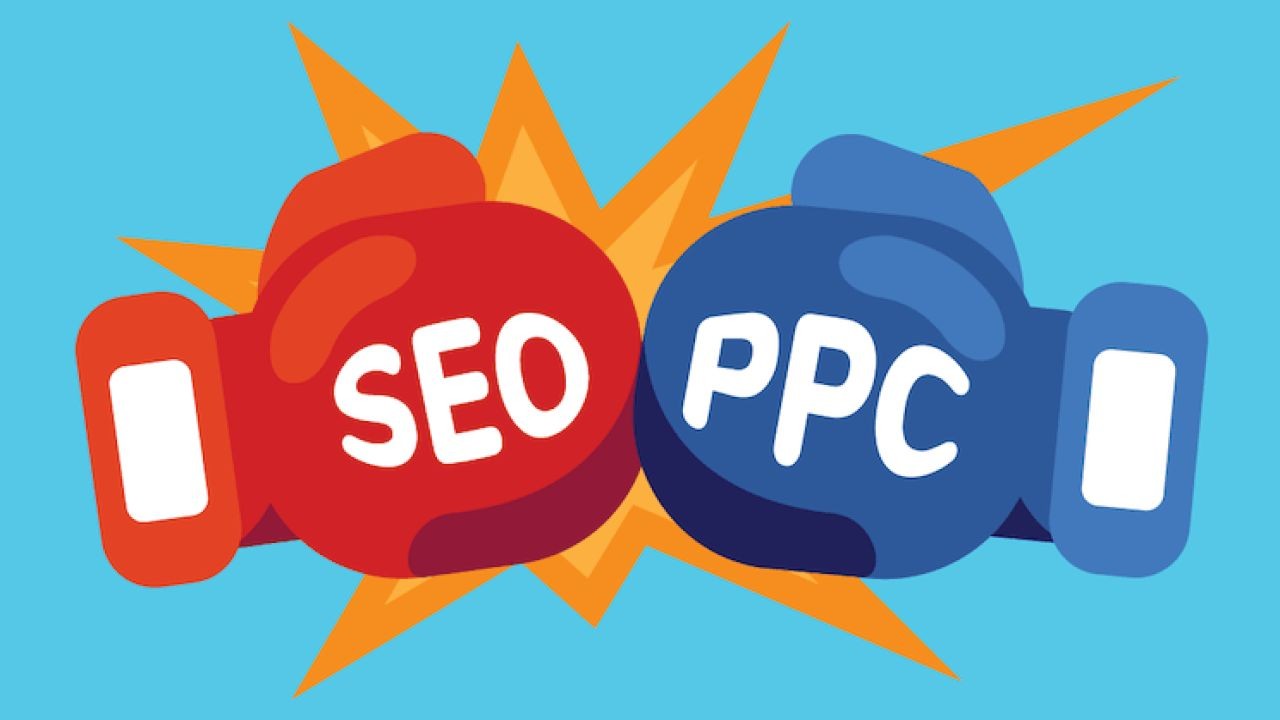
In the relentless pursuit of digital visibility, New Zealand businesses face a critical and often binary-seeming choice: invest in the slow, steady climb of Search Engine Optimisation (SEO) or fuel the instant, measurable fire of Pay-Per-Click (PPC) advertising. The prevailing, simplistic narrative pits these as opposing forces—a tortoise and hare race for the top of the search results page. This framing is not only reductive but dangerously misleading for decision-makers. The reality is a nuanced, data-intensive landscape where the optimal strategy is not "either/or" but a dynamically balanced "when, where, and how much." For Kiwi businesses, this calculus is further complicated by a unique market: a digitally savvy but geographically dispersed population of 5.1 million, a high cost of living impacting disposable income, and an economic structure heavily weighted towards SMEs, which according to Stats NZ, constitute 97% of all enterprises and employ 30% of the workforce. This analysis will dismantle the myths, interrogate the data, and provide a forensic framework for allocating your digital marketing budget in Aotearoa.
The New Zealand Digital Landscape: A Data-Backed Starting Point
Before dissecting tactics, we must ground the discussion in local context. New Zealand's digital economy is mature, with internet penetration at 94% and e-commerce sales reaching NZD $7.5 billion in 2023 (Stats NZ). However, this maturity coexists with distinct challenges. The "tyranny of distance" isn't just a physical logistics issue; it fragments online audiences and can inflate customer acquisition costs. Furthermore, the dominance of SMEs means marketing budgets are often constrained and risk-averse. A critical, often-overlooked data point from the Ministry of Business, Innovation and Employment (MBIE) reveals that only 34% of New Zealand SMEs report using data-driven decision making to a high extent. This insight is pivotal: it suggests a majority of local businesses may be making SEO/PPC decisions based on gut feel or outdated advice rather than empirical performance data.
The Core Mechanics: Understanding the Engine, Not Just the Dashboard
SEO is the practice of optimising your digital assets (website, content, technical infrastructure) to earn organic visibility in search engine results pages (SERPs). Its value proposition is cumulative and enduring. PPC, primarily through platforms like Google Ads, is the auction-based purchase of ad placements, typically above and beside organic results. Its value proposition is immediacy and precision.
The critical, hidden dynamic is that they are not siloed. A sophisticated, data-led approach understands their interaction. A strong organic presence can improve your Quality Score in Google Ads (reducing your cost-per-click), while paid search data (high-volume, high-intent keywords) provides invaluable intelligence for your SEO content strategy. Ignoring this synergy is the first major strategic error.
The Great Debate: A Forensic Pros & Cons Analysis
Let's move beyond platitudes. A true analytical comparison requires dissecting the tangible advantages and limitations of each channel within a New Zealand context.
SEO: The Compound Interest Model
✅ The Pros: Sustainable Authority & Long-Term ROI
- Cost-Effectiveness Over Time: While requiring upfront investment, the ongoing cost of maintaining ranking is marginal compared to perpetual ad spend. Traffic acquired has a $0 direct cost per click.
- Builds Trust & Credibility: Users inherently trust organic results more than ads. A 2023 survey by Consumer NZ indicated that 68% of Kiwi consumers are skeptical of labeled online advertisements, whereas organic results are perceived as more legitimate.
- Targets Broader Search Intent: Effective SEO captures users at all stages of the funnel, from informational ("best hiking boots NZ") to commercial investigation ("Merrell vs Salomon comparison") to transactional ("buy Merrell Moab 3 Auckland").
- Local SEO is a Kiwi Imperative: For businesses with a physical presence, "near me" searches are dominant. Optimising for Google Business Profile is non-negotiable and a uniquely powerful, free facet of SEO.
❌ The Cons: Delayed Gratification & Uncontrollable Variables
- Time-Intensive with No Guarantees: Achieving first-page rankings for competitive terms can take 6-12 months of consistent effort. Algorithm updates (like Google's core updates) can disrupt rankings overnight.
- High Initial Resource Demand: Requires expertise in technical SEO, content creation, and link building—skills often in short supply domestically, leading to high consultancy costs.
- Difficult to Scale Quickly: You cannot simply "turn on" more SEO traffic in a quarterly sales push. It is a strategic asset, not a tactical lever.
- Measurement Complexity: Attributing revenue directly to organic search involves multi-touch attribution modeling, which many NZ SMEs lack the analytics maturity to implement correctly.
PPC: The Precision Scalpel
✅ The Pros: Immediate Impact & Granular Control
- Instant Visibility: Campaigns can be live and driving targeted traffic within hours, making it ideal for product launches, promotions, or entering new markets.
- Predictable & Scalable Budgeting: You control daily spend. Performance is directly tied to investment, allowing for clear ROI calculations and rapid scaling (up or down).
- Unmatched Targeting Precision: Target by location (down to a 5km radius in Auckland CBD), device, time of day, audience demographics, and even remarketing to past website visitors.
- Crystal-Clear Attribution: Every click, conversion, and cost is tracked in-platform, providing unambiguous data for performance analysis and budget justification.
❌ The Cons: Perpetual Rent & Banner Blindness
- Costs Cease, Traffic Stops: PPC is a rental model. The moment you stop paying, your visibility disappears. There is no enduring asset built.
- Increasingly Expensive & Competitive: In New Zealand's concentrated market, auction competition for commercial keywords (e.g., "home insurance NZ," "credit card") is fierce, driving up cost-per-click (CPC).
- Ad Blindness & Skepticism: As noted in the Consumer NZ data, a significant portion of users ignore or distrust ads, limiting click-through rates even for top positions.
- Vulnerability to External Factors: Your profitability is at the mercy of platform policy changes, competitor bidding wars, and seasonal demand fluctuations.
Case Study: Ecostore NZ – Leveraging Synergy for Market Leadership
Problem: Ecostore, a leading New Zealand maker of eco-friendly cleaning and body care products, faced intense competition both domestically and from international entrants. While brand awareness was strong, they needed to efficiently capture high-intent purchasers and defend their market position against competitors bidding on their brand keywords.
Action: Ecostore's agency implemented a sophisticated, integrated strategy:
- SEO Foundation: Deep investment in content marketing around sustainable living (informational intent) and comprehensive product page optimization (transactional intent). They focused on earning authoritative backlinks from NZ health and environmental publications.
- PPC Offense & Defense: Ran aggressive Shopping and Search campaigns for commercial keywords ("buy eco laundry liquid"). Crucially, they used PPC to bid on their own brand terms. This is a contested tactic but served as a defensive moat against competitors sniping their hard-earned organic brand traffic.
- Data Loop Integration: Search query reports from PPC campaigns identified emerging customer phrasing, which was fed directly into the SEO content calendar. High-performing organic pages were bolstered with targeted PPC campaigns to maximize visibility.
Result: This synergistic approach yielded compound returns:
- ✅ Organic visibility for key commercial terms increased by over 60% within 18 months.
- ✅ Overall conversion rate increased by 22%, as users encountered the brand through multiple, reinforcing touchpoints.
- ✅ Cost-per-acquisition (CPA) on brand PPC campaigns remained exceptionally low, protecting their most valuable traffic.
- ✅ They achieved an estimated 35% higher marketing efficiency than using either channel in isolation.
Takeaway: For established Kiwi brands, the goal is not channel selection but channel integration. Using PPC to protect brand equity and using SEO to build long-term, low-cost authority creates a formidable competitive advantage that is difficult and expensive for new entrants to challenge.
Dismantling the Myths: What Kiwi Businesses Get Wrong
Myth 1: "SEO is Free." Reality: SEO requires significant investment in skilled personnel, content creation, tools, and technical development. While the traffic is "free," the capital and operational expenditure to earn it is not. A competent in-house SEO manager in Auckland commands a salary of NZD $90,000-$130,000.
Myth 2: "PPC is Too Expensive for Small NZ Businesses." Reality: With hyper-granular targeting, even a modest budget of NZD $1,000/month can be effective if focused on a specific local area, a narrow product range, or precise audience segments. The issue is often wasted spend through poor campaign structure, not the channel itself.
Myth 3: "Once You Reach #1 on Google, You're Set." Reality: SEO is perpetual maintenance. Competitors are always optimizing, Google's algorithm evolves, and user search behavior shifts. A 2024 analysis by a leading SEO tool provider found that only 5.7% of pages holding the #1 organic rank maintained that position after one year.
Myth 4: "You Should Never Bid on Your Own Brand Name." Reality: As the Ecostore case shows, brand bidding is a vital defensive strategy. It ensures you own the entire search results page for your brand, protects against competitor poaching, and often has a very high ROI due to low CPC and high conversion rates.
The Strategic Framework: A Data-Driven Decision Matrix for NZ
The question is not "SEO or PPC?" but "What is the optimal mix given my business context?" Use this matrix to guide your analysis.
Prioritise PPC IF:
- You are launching a new product/service and need immediate awareness.
- You have a short-term, high-margin promotion (e.g., Black Friday).
- You operate in a highly competitive, commercial-intent vertical (e.g., insurance, loans) where organic visibility is a long-term battle.
- You have the analytics capability to rigorously track ROI and quickly pivot underperforming campaigns.
- Your target audience uses very specific, high-intent keyword phrases.
Prioritise SEO IF:
- You have a long-term business horizon (>2 years).
- Your product/service has a broad informational search footprint (e.g., "how to" guides, advice, comparisons).
- You are a local service business (e.g., plumber, dentist, cafe) where "near me" searches and Google Business Profile are critical.
- Your margins are lower, and you cannot sustain a perpetual advertising spend.
- Building brand authority and trust is a central component of your marketing strategy.
The Hybrid, Synergistic Model (Recommended): Allocate budget to both, but with strategic intent. Use PPC to test markets and keywords, gather high-speed data, and support short-term goals. Simultaneously, invest in SEO to build a sustainable, long-term traffic asset. Regularly analyze the overlap and interaction between the two channels in your analytics platform.
The Future of Search in New Zealand: AI, Automation, and E-E-A-T
The landscape is shifting beneath our feet. Google's Search Generative Experience (SGE) and the increased emphasis on Experience, Expertise, Authoritativeness, and Trustworthiness (E-E-A-T) will disproportionately impact SEO. For NZ businesses, this means:
- Content Depth is Non-Negotiable: Thin, promotional content will fail. Success requires demonstrating first-hand experience and deep expertise, a challenge for smaller NZ firms that must be overcome through authentic storytelling and evidence.
- PPC Gets Smarter (and More Complex): AI-powered bidding and audience targeting within platforms will increase efficiency but also create a "black box" effect, demanding a higher level of strategic oversight from marketers.
- Local Search Will Evolve: Integration of maps, local inventory, and user-generated content (UGC) into search results will make local SEO even more visual and dynamic.
My bold, data-backed prediction: By 2027, over 50% of commercial search journeys in New Zealand will be initiated or influenced by AI-generated search interfaces (like SGE). Businesses relying solely on traditional "10 blue links" SEO will see traffic erosion. Those who adapt by creating authoritative, multi-format content and using PPC to capture demand within these new AI interfaces will thrive.
Final Takeaway & Call to Action
The SEO vs. PPC debate is a false dichotomy that obscures the real objective: profitable customer acquisition. For New Zealand businesses, the path forward is analytical integration.
Your immediate action plan:
- Conduct a Diagnostic Audit: Map your current organic visibility (rankings, traffic, backlink profile) and PPC performance (CPA, ROAS, keyword coverage). Identify gaps and overlaps.
- Define Objectives with Precision: Are you driving immediate sales (PPC-heavy), building brand equity (SEO-heavy), or launching a new product (integrated)? Allocate budget accordingly.
- Establish a Single Source of Truth: Implement Google Analytics 4 with robust conversion tracking to measure both channels within one framework. Abandon last-click attribution; adopt a data-driven model.
- Embrace the Synergy Loop: Formalise a monthly process where PPC search term data informs SEO content, and SEO performance identifies new PPC opportunity areas.
The most significant risk is inaction or ideological commitment to one channel. In a small, competitive market like New Zealand, efficiency is everything. The winners will be those who wield data to orchestrate their SEO and PPC efforts into a cohesive, self-reinforcing system.
What’s your channel mix, and is it driven by data or dogma? Share your analysis and challenges below to continue the discussion.
People Also Ask (PAA)
How important is local SEO for a small business in New Zealand? Extremely. Over 80% of local searches on mobile convert within 24 hours. For Kiwi SMEs, claiming and optimising your Google Business Profile is the highest-ROI marketing activity, driving foot traffic and calls directly. It's a core component of SEO, not an add-on.
What is a realistic monthly budget for PPC for a startup in Auckland? A focused, well-structured search campaign can start testing with NZD $1,500 - $3,000 per month. The key is extreme geographic and keyword focus—targeting specific suburbs and highly relevant terms—to learn efficiently before scaling. Wasted spend from poor structure is the biggest budget killer.
Can I do SEO myself for my NZ business? You can handle foundational elements (GBP, basic on-page content). However, technical SEO, strategic link building, and advanced content creation require specialised expertise. Given the competitive digital landscape, for most business owners, the opportunity cost of their time makes professional consultation or hiring a cost-effective choice.
Related Search Queries
- SEO consultant Auckland price
- Google Ads management NZ
- Content marketing strategy New Zealand
- Local SEO vs national SEO
- Measuring ROI digital marketing NZ
- Best keywords for e-commerce NZ
- Google Business Profile optimization 2024
- PPC vs SEO for service businesses
- Digital marketing budget percentage NZ
- Future of search marketing New Zealand
For the full context and strategies on SEO vs. PPC – Which Digital Marketing Strategy Works Best in NZ? – The Kiwi Blueprint to Success, see our main guide: Restaurant Cafe Video Marketing Nz.