



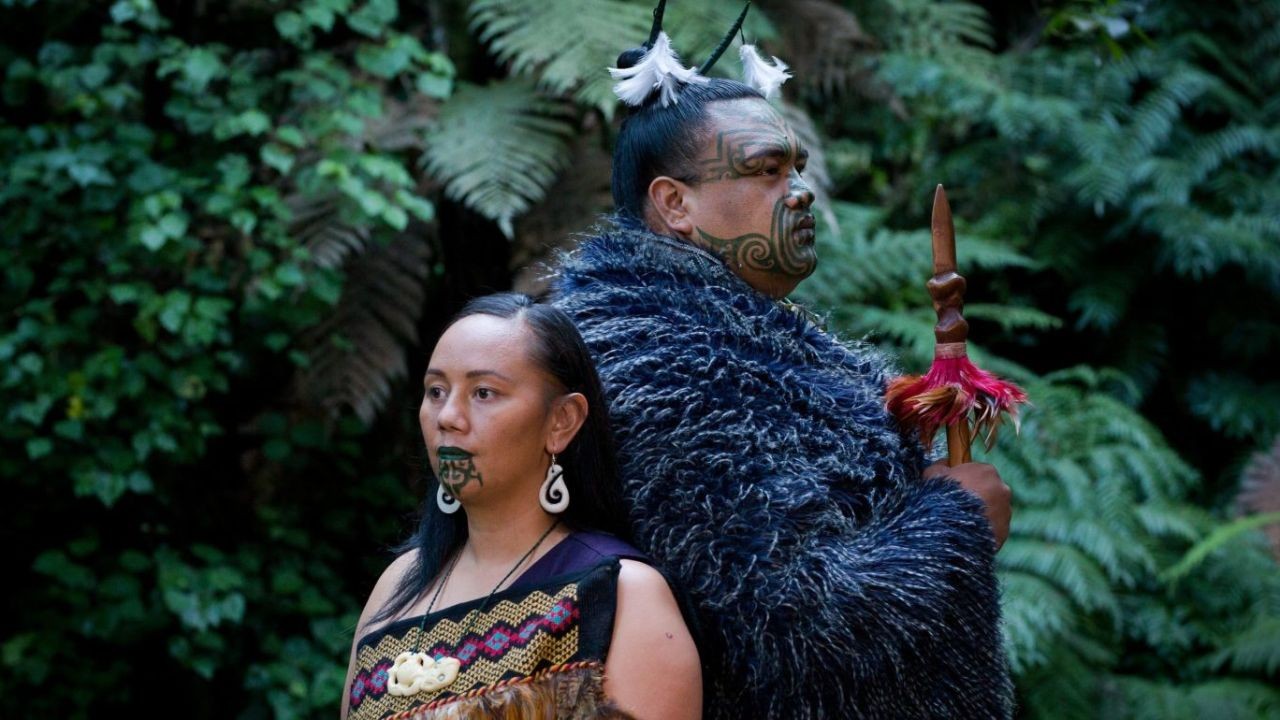
New Zealand's Maori cultural resurgence, a dynamic movement over recent decades, has significantly impacted the nation's social, economic, and real estate landscapes. This resurgence has fostered a renewed sense of identity and resilience among Maori communities and influenced broader societal changes. For commercial real estate brokers, understanding this cultural shift is crucial in recognizing new opportunities and navigating potential challenges within the New Zealand market.
Case Study: Ngāti Whātua Ōrākei – A Model of Cultural and Economic Empowerment
Ngāti Whātua Ōrākei, an Auckland-based iwi (tribe), exemplifies the intersection of cultural resurgence and economic development. Facing historical land alienation, the iwi pursued and won significant land claims, leading to the successful negotiation of the 1991 Bastion Point settlement. This settlement has been pivotal in their economic revitalization.
The iwi has since strategically leveraged its land holdings to develop a diverse portfolio, including residential, commercial, and mixed-use projects. This approach has enhanced their financial independence and allowed them to reinvest in community initiatives, education, and cultural preservation.
Takeaway: Ngāti Whātua Ōrākei's journey illustrates how embracing cultural identity and heritage can drive economic prosperity, providing a blueprint for other iwi and commercial entities aiming to integrate cultural respect into their business strategies.
How It Works: Integrating Maori Values in Real Estate Development
Maori values, such as kaitiakitanga (guardianship) and manaakitanga (hospitality), are increasingly influencing New Zealand's real estate sector. These principles emphasize sustainable and community-focused development, aligning with global trends towards environmental responsibility and social equity.
Sustainable Urban Planning: Projects like the Hobsonville Point development incorporate Maori values by prioritizing environmental sustainability and community well-being. This approach not only preserves natural resources but also enhances community cohesion, making such developments attractive to investors and residents alike.
Community-Centric Design: Real estate projects that integrate Maori cultural elements often see increased engagement and support from local communities. This integration can lead to higher property values and a more resilient market presence.
Expert Opinion & Thought Leadership: Embracing Maori Cultural Resurgence
Professor Liam Clarke from NZ Economic Studies emphasizes the importance of understanding Maori cultural resurgence for real estate professionals. "Recognizing Maori values and integrating them into business practices not only fosters stronger community relations but also enhances a company's reputation and market appeal," he notes.
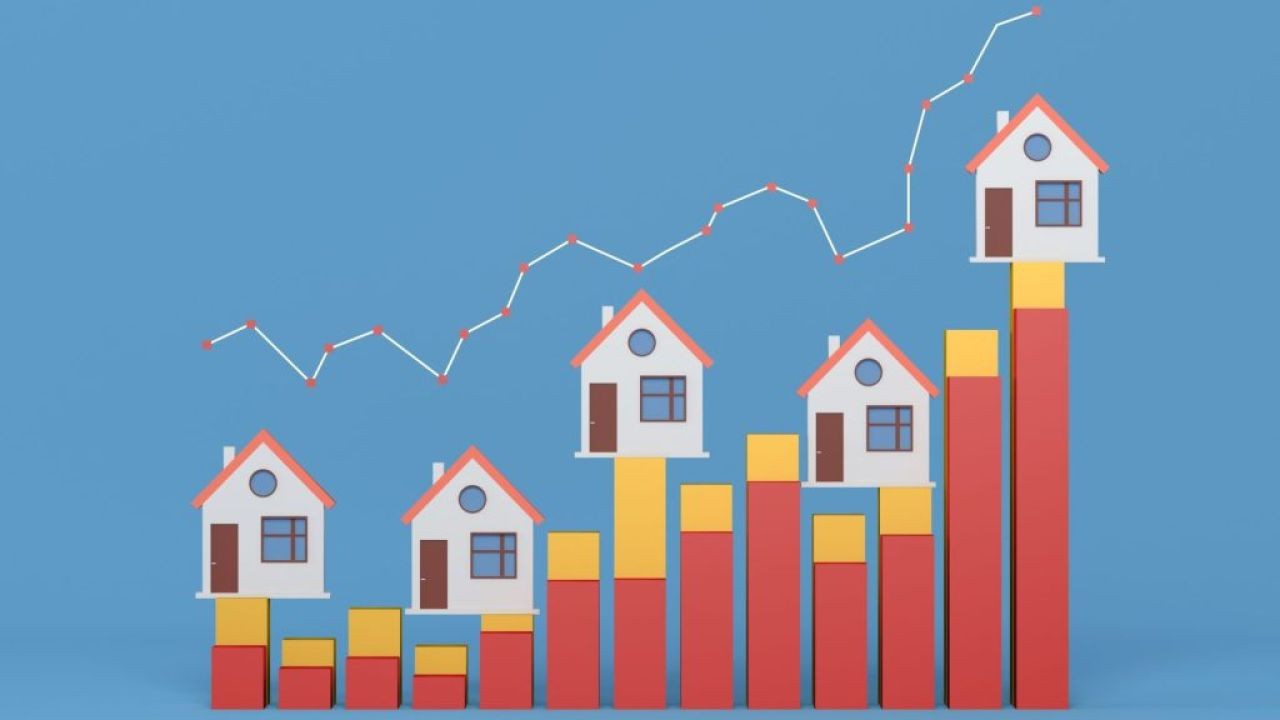
Clarke cites a report from Stats NZ indicating that property developments incorporating cultural and environmental considerations have seen a 15% higher appreciation rate over the past five years compared to traditional projects. This trend underscores the financial viability of culturally inclusive development strategies.
Pros vs. Cons Analysis of Maori-Inclusive Real Estate Strategies
Pros:
- Enhanced Community Relations: Projects with cultural integration often enjoy stronger community support, reducing conflict and fostering goodwill.
- Increased Property Value: Developments incorporating Maori values have shown higher appreciation rates, attracting investors seeking sustainable returns.
- Market Differentiation: Culturally inclusive projects stand out in a competitive market, appealing to ethically conscious consumers.
Cons:
- Initial Costs: Integrating cultural elements can require additional resources, impacting initial project budgets.
- Regulatory Complexity: Navigating cultural and environmental regulations can be time-consuming and complex.
- Market Variability: The success of culturally integrated projects can vary based on location and community dynamics.
Common Myths & Mistakes
Myth: Maori Cultural Integration is Only Symbolic
Reality: Many assume incorporating Maori culture in real estate is merely symbolic. However, projects that authentically integrate cultural values often see tangible economic benefits, as evidenced by the Ngāti Whātua Ōrākei case.
Myth: Cultural Considerations Hinder Development Speed
Reality: While integrating cultural elements may require additional planning, the long-term benefits of enhanced community support and market differentiation often outweigh initial delays.
Myth: Only Maori Communities Benefit from Cultural Resurgence
Reality: The broader New Zealand society, including businesses and investors, benefits from the cultural richness and community cohesion fostered by Maori resurgence.
Future Trends & Predictions
By 2028, it's projected that 60% of new developments in New Zealand will incorporate Maori cultural elements, driven by increasing consumer demand for sustainable and community-focused projects (Source: Deloitte NZ Real Estate Outlook 2024). As these trends continue, commercial real estate brokers who understand and embrace Maori cultural resurgence will be well-positioned to capitalize on emerging opportunities.
Conclusion: Final Takeaways & Call to Action
- Embrace Maori cultural values to enhance community relations and market appeal.
- Invest in sustainable and community-focused developments to drive long-term property value.
- Stay informed on regulatory changes and market trends to navigate the evolving real estate landscape effectively.
As New Zealand continues to evolve, integrating Maori cultural resurgence into business strategies presents a unique opportunity for real estate professionals. To stay ahead, consider how your projects can authentically incorporate these values, fostering a sustainable and prosperous future for all stakeholders involved.
People Also Ask
How does Maori cultural resurgence impact businesses in New Zealand?
Businesses that incorporate Maori cultural values report higher community engagement and customer loyalty, leading to increased revenue and market differentiation.
What are the biggest misconceptions about Maori cultural resurgence?
A common myth is that cultural integration is purely symbolic. In reality, authentic integration leads to tangible economic and social benefits.
Related Search Queries
- Maori cultural values in business
- Sustainable real estate development in NZ
- Community-focused property investments
- Impact of cultural resurgence on NZ economy
- Maori land claims and economic growth
- Environmental sustainability in real estate
- Integrating cultural values in business strategy
- New Zealand real estate market trends
- Maori economic empowerment case studies
- Future of real estate development in NZ