




In the realm of New Zealand's food and beverage industry, the evolution from traditional cafés to innovative craft breweries represents not just a change in consumer taste, but a shift in how these venues share their unique stories. This transformation is not merely anecdotal but is supported by data and reflects broader economic and cultural trends within New Zealand. From the historical roots of local cafés to the burgeoning craft beer scene, these venues have become pivotal in shaping the country's social and economic landscape.
The Historical Evolution of New Zealand’s Food and Drink Venues
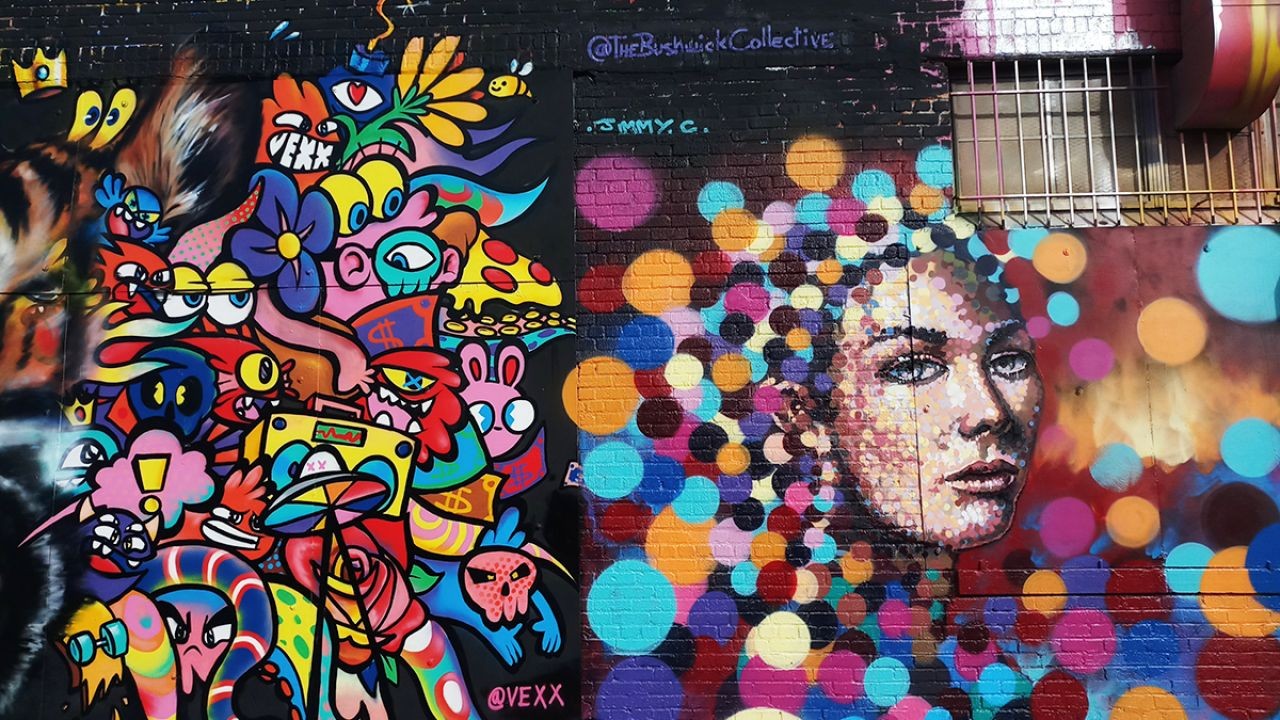
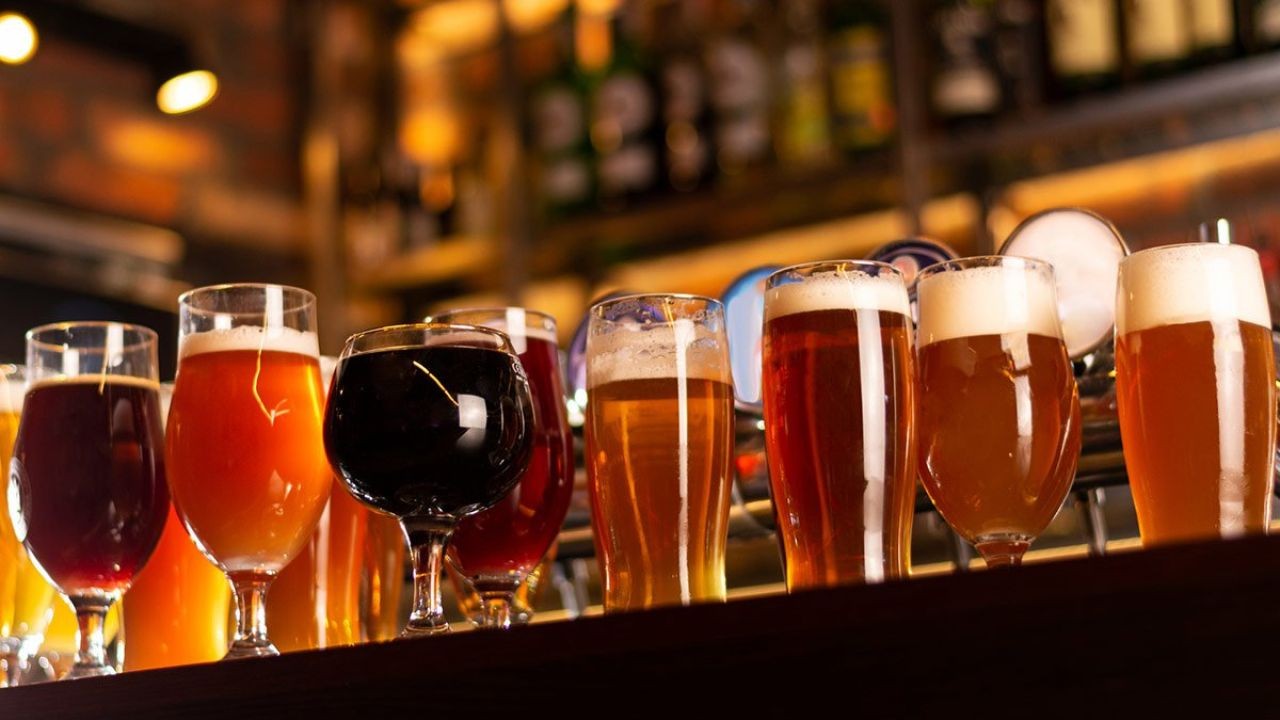
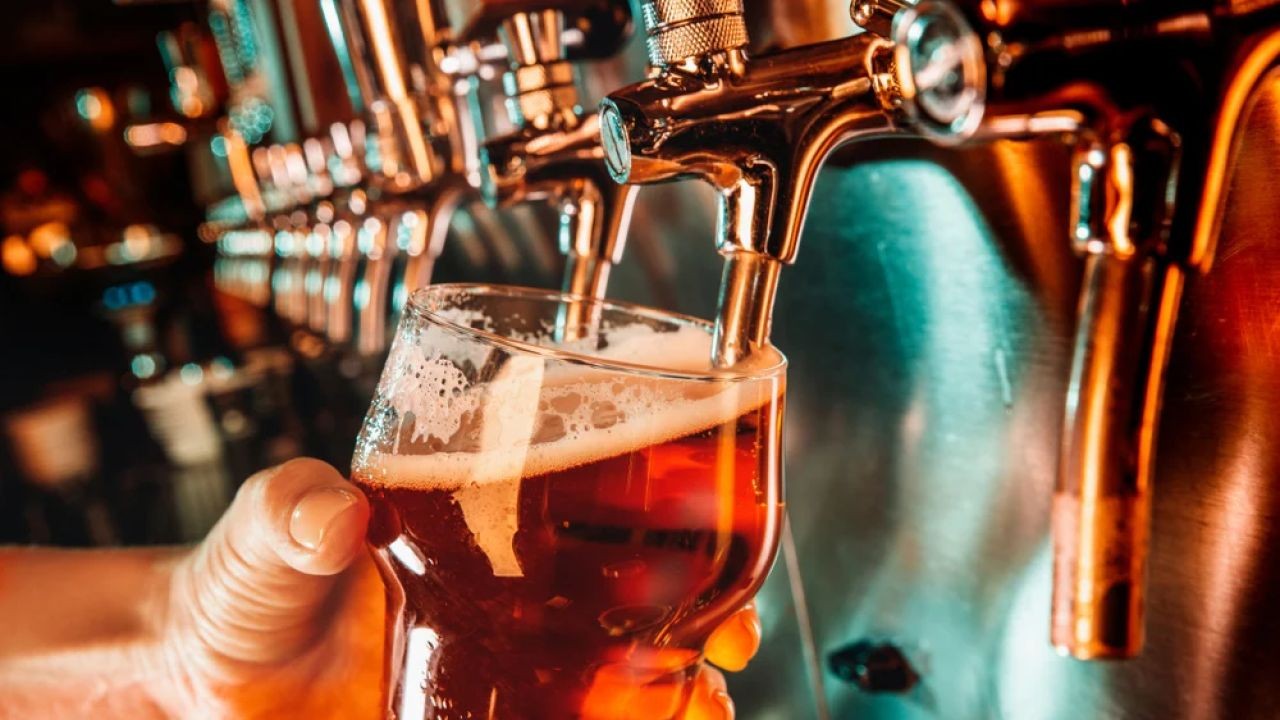
New Zealand's cafés have been a cornerstone of its urban landscape for decades. Initially inspired by European models, these establishments quickly adapted to reflect the country's unique cultural blend. The café culture became synonymous with community gatherings and local art displays, acting as social hubs. However, the last decade has witnessed a significant pivot towards craft breweries, driven by a growing consumer demand for local and unique flavors. According to Stats NZ, the number of craft breweries in New Zealand has increased by over 300% since 2010, reflecting a global trend towards artisanal and craft products.
Case Study: Garage Project – From Start-Up to Icon
Garage Project, founded in Wellington in 2011, exemplifies this trend. Initially operating out of a dilapidated garage, the company has grown into one of New Zealand's most iconic craft beer brands. The founders, who initially focused on experimental brews, managed to capture the local market’s imagination by leveraging social media storytelling to connect with consumers. This strategy paid off, with Garage Project witnessing a 200% increase in sales within the first three years. Their story highlights the power of narrative in building brand identity and consumer loyalty.
Data-Driven Insights: The Economic Impact
The shift from cafés to craft breweries is not merely a cultural phenomenon but also an economic one. The Ministry of Business, Innovation and Employment (MBIE) reported that the craft beer industry contributes over NZD 2.3 billion to the economy annually. This growth is spurred by both domestic consumption and international exports, with New Zealand craft beers gaining popularity in markets such as Australia and the United States.
Furthermore, a study by the Reserve Bank of New Zealand indicates that the rise of craft breweries has positively impacted local employment, with the industry supporting over 22,000 jobs across production, distribution, and retail.
Pros and Cons of Investing in Food and Beverage Venues
As with any investment, entering the food and beverage sector comes with its set of advantages and challenges.
Pros:
- High Growth Potential: The craft beverage market is expanding, offering significant opportunities for profit.
- Cultural Relevance: As cultural hubs, these venues often enjoy strong community support.
- Export Opportunities: New Zealand's reputation for quality produces a strong export market.
Cons:
- High Competition: The market is saturated with new entrants, increasing competition.
- Regulatory Challenges: Navigating alcohol licensing laws can be complex and costly.
- Market Volatility: Consumer trends can shift quickly, impacting demand.
Storytelling: The Heart of Brand Building
For New Zealand food and drink venues, storytelling is not a mere marketing tool but a crucial component of brand identity. Venues like Little Creatures Brewing have utilized storytelling to differentiate themselves in a crowded market. By focusing on their unique brewing process and commitment to local ingredients, they have created a narrative that resonates with consumers both locally and internationally.
Moreover, storytelling extends beyond marketing; it influences product development and consumer interaction. Craft breweries often involve consumers in their story, hosting events and tastings that engage the community and foster brand loyalty.
Debunking Common Myths
Several myths persist about New Zealand's food and beverage industry, particularly regarding craft breweries.
- Myth: Craft breweries are a fad. Reality: With sustained growth and economic contribution, craft breweries are a mainstay in the New Zealand market. According to a Deloitte report, craft beer consumption is expected to grow by 5% annually over the next decade.
- Myth: Only large cities benefit from craft breweries. Reality: Regional areas are seeing significant economic benefits, with small-town breweries boosting local tourism and employment.
Future Trends and Predictions
The future of New Zealand's food and drink venues looks promising, with several trends set to shape the industry. Sustainability is becoming increasingly important, with consumers favoring venues that prioritize eco-friendly practices. Additionally, digital storytelling and online sales platforms are expected to become more integral, allowing venues to reach broader audiences.
By 2030, it is predicted that 70% of New Zealand's food and beverage venues will integrate advanced digital marketing strategies, enhancing consumer engagement and driving growth.
Conclusion: The Way Forward
For investors and business owners, understanding the evolution from cafés to craft breweries in New Zealand is crucial. This shift not only reflects changing consumer preferences but also offers significant economic opportunities. By leveraging storytelling and strategic marketing, venues can build strong brand identities and foster consumer loyalty.
As the industry continues to grow, those who adapt to emerging trends and consumer demands will find themselves best positioned to succeed. For investors, now is the time to explore opportunities within this dynamic sector. What are your thoughts on the future of New Zealand’s food and drink venues? Share your insights below!
People Also Ask
- How does the rise of craft breweries impact New Zealand's economy? The craft beer industry contributes over NZD 2.3 billion annually, supporting jobs and enhancing exports, according to MBIE.
- What are the biggest misconceptions about New Zealand craft breweries? A common myth is that craft breweries are a fad, but sustained growth and economic impact suggest otherwise (Deloitte).
- What strategies are best for food and drink venues in New Zealand? Experts recommend integrating storytelling, leveraging local ingredients, and using digital platforms to enhance brand engagement.
Related Search Queries
- New Zealand craft beer market trends
- Economic impact of NZ food and beverage industry
- How to start a craft brewery in New Zealand
- Storytelling in marketing strategies
- Environmental sustainability in NZ breweries
- Challenges facing NZ food and drink venues
- Investment opportunities in NZ hospitality sector
- Export potential for NZ craft beers
For the full context and strategies on From Cafés to Craft Breweries: How NZ Food and Drink Venues Share Their Stories, see our main guide: New Zealand Video Platform.