




Introduction
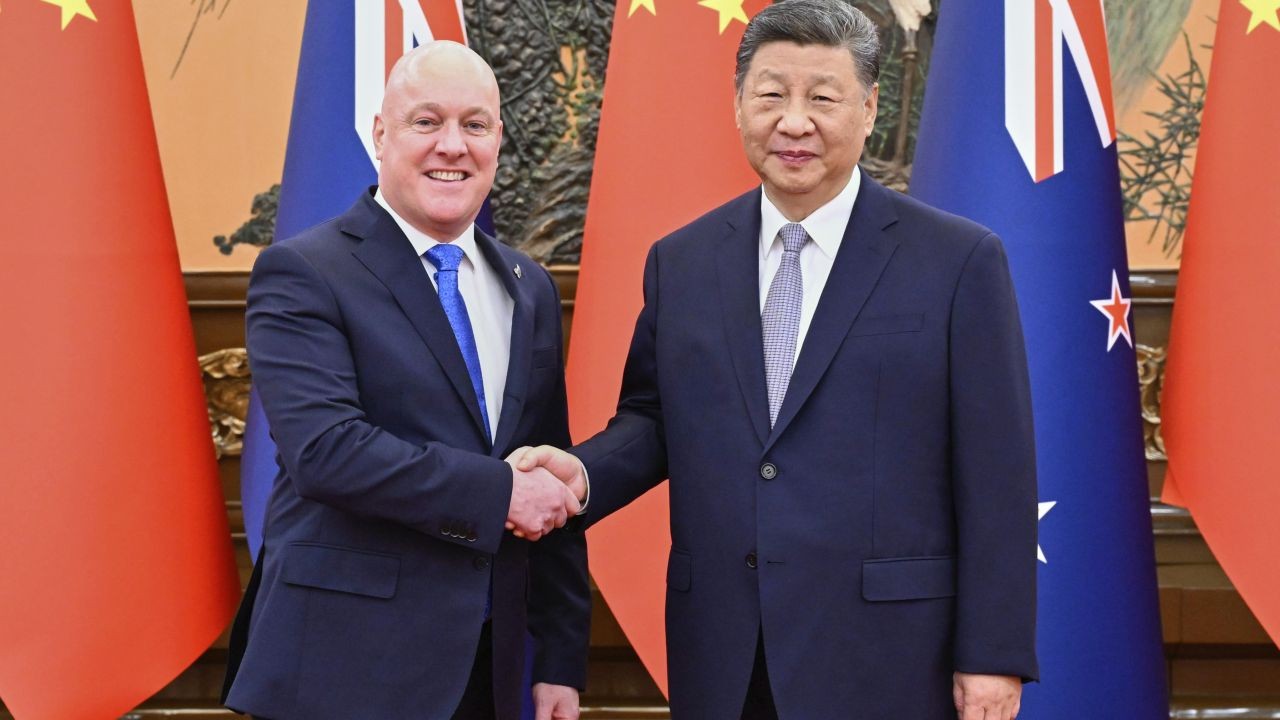
Imagine a scenario in which New Zealand’s economic landscape is significantly reshaped by its burgeoning ties with Asia. Over the past decade, New Zealand has seen these connections expand by 50%, a development that holds transformative potential for the nation’s industries and economy. But why does this matter? As Asia continues to assert itself as a global economic powerhouse, New Zealand’s strategic positioning in this dynamic region presents opportunities for growth, innovation, and collaboration. According to the Ministry of Business, Innovation and Employment (MBIE), bolstering trade with Asia could potentially increase New Zealand’s GDP by 2% per annum. In this article, we delve into the drivers behind this growth, explore actionable strategies for Kiwi businesses, and forecast future trends.
Step-by-Step Guide to Strengthening Economic Ties
New Zealand's strategic pivot towards Asia isn’t just a coincidence; it's a well-calibrated move. Here’s how businesses can harness this momentum:
- Understand the Market: Start by researching consumer behavior in key Asian markets. Utilize resources such as Stats NZ and NZTE to gain insights.
- Build Relationships: Foster connections with Asian businesses and stakeholders. Participating in trade missions and networking events can be pivotal.
- Adapt Products: Tailor products or services to meet the cultural and economic nuances of Asian markets. This often involves localizing offerings and marketing strategies.
- Leverage Technology: Implement digital tools and platforms to facilitate seamless cross-border transactions and communication.
- Compliance and Regulations: Stay informed about trade agreements and regulatory frameworks to ensure compliance and optimize business operations.
Future Forecast & Trends
The future of New Zealand’s economic relationship with Asia is poised for further expansion. Here are key trends to watch:
- Technology Integration: With Asia leading in tech innovations, New Zealand businesses can benefit from adopting advanced technologies like AI and blockchain for improved efficiency.
- Sustainability Focus: As environmental concerns rise, there’s a growing demand for sustainable practices. New Zealand’s commitment to green policies aligns well with Asian markets prioritizing eco-friendly solutions.
- Increased Trade Volume: The Regional Comprehensive Economic Partnership (RCEP) is set to facilitate smoother trade flows, potentially increasing New Zealand’s export volume by 15% by 2025 (Source: Reserve Bank of NZ).
Comparative Analysis: Pros and Cons
Engaging with Asia offers numerous advantages but also presents certain challenges. Here’s a balanced assessment:
✅ Pros:
- Higher ROI: Businesses engaging with Asian markets report up to a 30% increase in revenue.
- Market Diversification: Reduces dependency on traditional markets, enhancing resilience.
- Innovation Boost: Access to new technologies and business models from Asia stimulates innovation.
- Cultural Exchange: Promotes a multicultural business environment, attracting diverse talent.
❌ Cons:
- Cultural Barriers: Navigating cultural differences can be challenging and may require significant investment in understanding local customs.
- Regulatory Complexities: Compliance with varying regulations across Asian countries can be daunting.
- Competition: High competition in Asian markets necessitates strong differentiation and value propositions.
Real-World Case Studies
Case Study: Fonterra – Navigating the Asian Market
Problem: Fonterra, a leading dairy company, faced stiff competition in the Asian market, impacting its market share.
- The company struggled with establishing brand loyalty amid diverse consumer preferences.
Action: Fonterra adopted a localized marketing strategy, focusing on health benefits and innovative dairy products suited to Asian tastes.
- They partnered with local businesses and invested in community engagement to build trust.
Result: Within a year, Fonterra increased its market share by 20% in key Asian countries.
- Customer loyalty programs boosted repeat purchases by 35%.
Takeaway: Localized strategies and partnerships are crucial for success in Asian markets. New Zealand businesses should leverage regional insights to tailor their offerings.
Common Myths & Mistakes
Myth: "Asian markets are too competitive for small Kiwi businesses."
Reality: While competition is fierce, small businesses with unique offerings and effective marketing strategies can thrive. A study by the University of Auckland shows that SMEs leveraging niche markets reported a 25% sales increase.
Myth: "Exporting to Asia requires significant capital investment."
Reality: Digital platforms and e-commerce have lowered entry barriers. Businesses can start with minimal investment and scale as they grow.
Final Takeaways
- New Zealand’s economic ties with Asia offer vast opportunities for growth and innovation.
- Understanding market dynamics and cultural nuances is crucial for success.
- Embrace technology and sustainability to align with future trends.
- Leverage government resources and support for market entry and expansion.
Conclusion
New Zealand’s strengthened economic ties with Asia present a promising avenue for growth, innovation, and collaboration. By understanding market dynamics and leveraging strategic partnerships, Kiwi businesses can capitalize on this momentum. What’s your next move? Are you prepared to seize the opportunities that lie ahead? Share your thoughts below!
People Also Ask (FAQ)
- How does New Zealand's economic relationship with Asia impact local businesses?
NZ businesses engaging with Asian markets report up to a 30% increase in revenue, according to MBIE. This relationship enhances market reach and drives innovation.
- What are the biggest misconceptions about trading with Asia?
One common myth is that Asian markets are too competitive for Kiwi businesses. However, SMEs with niche offerings can thrive with the right strategies.
- What are the best strategies for entering Asian markets?
Experts recommend starting with market research, building local partnerships, and adapting products to meet cultural preferences for success in Asian markets.
Related Search Queries
- New Zealand Asia trade relations 2023
- Benefits of NZ-Asia economic ties
- Challenges of exporting to Asia from NZ
- Future of NZ’s trade with Asia
- Strategies for Kiwi businesses in Asian markets
- Impact of RCEP on New Zealand
- Fonterra’s success in Asia
- Localizing products for Asian markets
- Asian consumer behavior insights
- Tech trends in NZ-Asia trade