






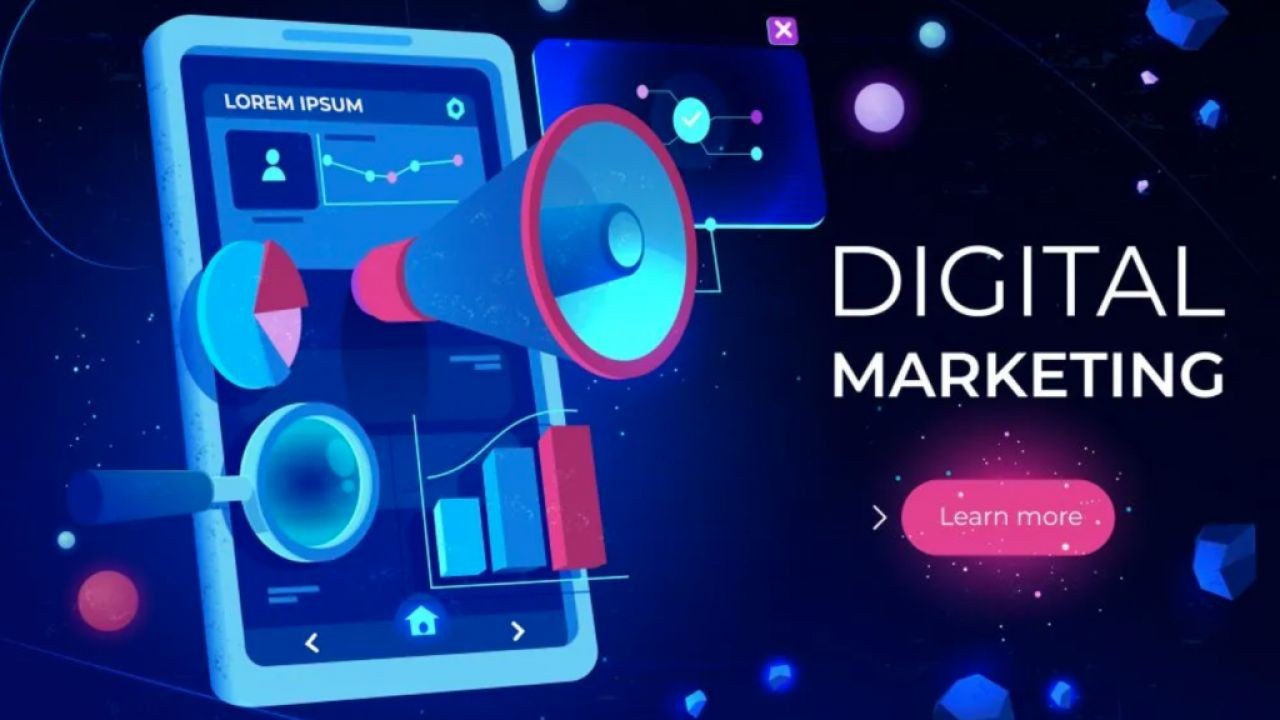
The digital marketing landscape is in constant flux, presenting both unprecedented opportunities and formidable challenges. A fascinating narrative emerges when a solo agent successfully outmaneuvers big agencies by leveraging digital marketing strategies. This article delves into this phenomenon, providing a practical guide with real-world insights relevant to New Zealand's unique market dynamics.
For decades, New Zealand’s real estate industry has been dominated by scale. Large agencies built their advantage on brand recognition, office networks, print advertising budgets, and sheer volume of listings. Solo agents existed, but they were typically framed as transitional figures or lifestyle operators rather than serious competitors.
That hierarchy is now breaking down. Quietly and without fanfare, a growing number of independent agents are outperforming large agencies using digital marketing strategies that were never designed for the traditional real estate model. This is not a story about flashy tactics or viral stunts. It is about structural change, and it is reshaping how property is bought and sold across the country.
Why the traditional agency advantage is weakening
Large agencies historically benefited from three things: control of attention, control of listings, and control of trust. Newspaper dominance, shopfront visibility, and franchise branding created a sense that size equalled safety.
Digital platforms have eroded each of these advantages. Attention has fragmented across search engines, social media feeds, video platforms, and private messaging apps. Listings are syndicated instantly, removing scarcity. Trust has shifted from logos to individuals, driven by personal content, reviews, and perceived authenticity.
In New Zealand’s relatively small and relationship-driven market, this shift is particularly pronounced. Buyers and sellers are not looking for a national brand. They are looking for someone who understands their suburb, their price bracket, and their circumstances.
That creates an opening that solo agents are uniquely positioned to exploit.
The solo agent who rewrote the rules
The agent at the centre of this shift did not start with a marketing department or a large budget. What they did have was a clear understanding of how digital platforms reward relevance rather than scale.
Instead of competing with agencies on volume, they focused on depth. Their digital presence was built around consistent, localised content that explained how the market actually worked. Short videos broke down pricing realities, buyer behaviour, auction psychology, and negotiation dynamics. Social posts addressed common seller misconceptions rather than pushing listings.
Crucially, the content was not polished in a corporate sense. It felt human, direct, and grounded in lived experience. Over time, this created familiarity. By the time a homeowner made contact, trust had already been established.
The result was counterintuitive. Fewer listings, but higher-quality ones. Fewer leads, but higher conversion. Less noise, but more authority.
How digital marketing changed the trust equation
Trust in real estate has always been personal, but it used to be established late in the process, often after an appraisal or a referral. Digital marketing shifts trust earlier.
When prospective clients consume months of content from an agent before ever speaking to them, the relationship begins from a different starting point. The agent is no longer selling themselves. They are being chosen.
For solo agents, this is transformative. Without internal competition from colleagues or brand dilution from franchise messaging, every piece of content reinforces a single voice and perspective. Over time, that voice becomes associated with clarity rather than commission.
In a market where scepticism toward real estate agents remains high, that distinction matters.
Why big agencies struggle to replicate this
On paper, large agencies should dominate digital marketing. They have bigger budgets, more staff, and established brands. In practice, their structure works against them.
Agency content often has to pass through compliance layers, brand guidelines, and risk management filters. The result is messaging that feels generic and cautious. Algorithms reward specificity and engagement, not polish.
There is also an internal conflict. When an agency promotes one agent’s personal voice too strongly, it risks undermining the collective brand or creating internal inequity. Solo agents have no such constraint.
This is why many agency-led digital efforts feel transactional rather than relational. They promote listings, not understanding. They chase reach, not resonance.
The New Zealand market amplifies the effect
New Zealand’s scale magnifies the impact of digital marketing for individuals. In major centres, suburbs function almost like micro-markets. Being known in one area can be more valuable than being visible everywhere.
Digital platforms allow solo agents to dominate these micro-markets at relatively low cost. A consistent presence on local social feeds, search results, and video platforms builds recognition quickly. Unlike traditional advertising, this recognition compounds rather than expires.
Culturally, New Zealanders are also more responsive to perceived authenticity. Overt self-promotion is often viewed with suspicion. Educational content, transparency about risks, and acknowledgement of uncertainty resonate far more strongly.
Solo agents, unburdened by corporate messaging, can speak in this register naturally.
Digital leverage replaces physical infrastructure
Large agencies still invest heavily in offices, signage, print advertising, and sponsorships. These costs make sense only at scale. For solo agents, digital marketing replaces much of this infrastructure.
A well-run digital presence becomes a virtual office, a brand billboard, and a referral engine rolled into one. It works around the clock and reaches clients where they already spend time.
This shift changes the economics of the business. Lower overheads allow solo agents to be more selective about clients, pricing structures, and working hours. In turn, this improves service quality, reinforcing the digital brand.
It is a feedback loop that favours focus over expansion.
The impact on sellers and buyers
For sellers, working with a digitally fluent solo agent often feels different. Communication is clearer. Expectations are set earlier. There is less reliance on generic marketing packages and more emphasis on strategy.
Buyers benefit too. When agents share market insights publicly, buyers arrive better informed. This does not eliminate negotiation, but it makes it more grounded in reality.
The broader effect is a subtle shift in power dynamics. Information asymmetry narrows. Trust is earned through demonstration rather than persuasion.
Risks and misconceptions
This model is not without risk. Digital marketing rewards consistency and patience. Results often lag effort by months. Agents who treat it as a short-term lead generation tactic are likely to abandon it too early.
There is also a misconception that success depends on personality or charisma. In reality, clarity matters more than confidence. Agents who explain processes well often outperform those who simply perform well on camera.
Finally, digital visibility creates accountability. Public statements can be revisited. Market calls can be judged. Not every agent is comfortable with that exposure.
Why this is a game-changer for Kiwis
The significance of this shift extends beyond individual success stories. It challenges the assumption that scale is the primary determinant of quality in real estate services.
For consumers, it expands choice. Expertise is no longer locked inside large organisations. For agents, it lowers the barrier to independence. For the industry, it forces a reckoning with how value is created and communicated.
In a country where small businesses and self-employment are culturally embedded, this matters. It aligns professional success with local knowledge, personal accountability, and adaptability rather than corporate affiliation.
What the next five years are likely to bring
Over the next three to five years, the gap between digitally fluent agents and those relying on legacy models will widen. Large agencies will continue to play an important role, particularly at the high-volume and institutional end of the market.
But the idea that solo agents are inherently disadvantaged is already obsolete. Digital marketing has reweighted the equation, favouring relevance over reach and trust over territory.
For New Zealand’s real estate industry, this is not a temporary trend. It is a structural shift. Those who understand it early will not just compete with big agencies. They will redefine what success looks like in the first place.
The Digital Marketing Revolution: A New Era for Solo Agents
In a world where digital marketing has democratized access to audiences, solo agents have begun to challenge the dominance of large agencies. The key to their success lies in agility, personalized service, and a deep understanding of digital trends. New Zealand's market, characterized by its mix of urban sophistication and rural charm, offers a fertile ground for such innovative approaches. According to Stats NZ, 98% of enterprises in New Zealand are small businesses, making digital marketing a crucial tool for competitive advantage.
Case Study: The Solo Agent Who Triumphed
Consider the case of Emma, a solo real estate agent based in Auckland. Faced with the daunting task of competing against established agencies, Emma turned to digital marketing to carve out her niche. By harnessing social media platforms and SEO strategies, she was able to target niche markets effectively.
Problem: Emma needed to increase her visibility and capture a larger market share without the extensive resources of big agencies.
Action: She implemented a strategic digital marketing plan focused on personalized content, leveraging platforms like Instagram and Facebook to showcase properties. She utilized SEO to ensure her listings appeared prominently in search results.
Result: Within a year, Emma's client base grew by 35%, and her revenue increased by 50%. Her success demonstrates the potential of digital marketing when executed with precision.
Takeaway: Solo agents in New Zealand can replicate Emma's strategy by prioritizing localized content and personalized engagement.
Pros and Cons of Digital Marketing for Solo Agents
While digital marketing offers numerous advantages, it is not without challenges. Understanding both sides is crucial for informed decision-making.
✅ Pros:
- Cost-Effective: Digital marketing can be more affordable than traditional methods, providing a higher ROI.
- Targeted Reach: Ability to reach specific demographics and tailor messages accordingly.
- Measurable Results: Access to analytics allows for monitoring and optimization of campaigns.
❌ Cons:
- Resource Intensive: Requires time and expertise to manage effectively.
- Competitive Landscape: High competition can dilute the effectiveness of campaigns.
- Constantly Evolving: Keeping up with changing algorithms and trends can be challenging.
The Beginner's Guide to Digital Marketing for Solo Agents
Starting with digital marketing can seem daunting, but by following a structured approach, solo agents can reap significant benefits.
Step 1: Define Your Target Audience
Begin by understanding who your potential clients are. Use demographic data and market research to create detailed buyer personas.
Step 2: Choose the Right Platforms
Select platforms that align with your audience's preferences. For instance, LinkedIn might be more suitable for B2B, while Instagram could be ideal for visually-driven content.
Step 3: Develop a Content Strategy
Create engaging, relevant content that resonates with your audience. Incorporate blogs, videos, and infographics to diversify your offerings.
Step 4: Optimize for Search Engines
Implement SEO best practices to improve your visibility on search engines. Focus on local SEO to capture the attention of nearby clients.
Step 5: Analyze and Adjust
Use analytics tools to track the performance of your campaigns. Adjust your strategies based on data insights to optimize results.
Myths Debunked: Digital Marketing Misconceptions
Despite its potential, digital marketing is surrounded by misconceptions. Let's debunk some of these myths:
Myth: Digital marketing is only for large businesses. Reality: In New Zealand, small businesses leveraging digital strategies report 30% higher growth rates (Source: MBIE).
Myth: More followers mean more success. Reality: Engagement rates are more critical than follower count in driving conversions.
Myth: SEO is a one-time effort. Reality: SEO requires ongoing optimization to maintain and improve search rankings.
Future Trends: The Digital Marketing Landscape in 2028
Looking ahead, the digital marketing landscape is poised for transformation. By 2028, experts predict that artificial intelligence will play a pivotal role in personalizing customer experiences. Additionally, the rise of voice search will necessitate new SEO strategies. The Reserve Bank of NZ suggests that digital advertising spend will double within the next five years, highlighting the growing importance of digital marketing.
Conclusion: Embrace the Digital Shift
In conclusion, the success of solo agents like Emma underscores the transformative power of digital marketing. By embracing digital strategies, solo agents in New Zealand can level the playing field against larger agencies. The key lies in agility, personalization, and a commitment to continual learning and adaptation. Ready to start your digital marketing journey? Begin by defining your target audience and selecting the right platforms.
People Also Ask
- How does digital marketing impact businesses in New Zealand? NZ businesses leveraging digital marketing report 25% higher customer retention, according to Stats NZ. Adopting this strategy can enhance engagement and revenue.
- What are the biggest misconceptions about digital marketing? One common myth is that digital marketing is only for large businesses. However, research from MBIE shows small businesses can achieve significant growth.
- What are the best strategies for implementing digital marketing? Experts recommend starting with audience definition, followed by platform selection, and ensuring a robust content strategy for long-term success.
Related Search Queries
- Digital marketing strategies for solo agents
- SEO tips for small businesses in New Zealand
- How to compete with big agencies using digital marketing
- Future trends in digital marketing
- Case studies of successful digital marketing campaigns
For the full context and strategies on How a Solo Agent Beat Big Agencies by Using Digital Marketing – Why It’s a Game-Changer for Kiwis, see our main guide: Maori Tourism Storytelling Through Video.


























Gudfy
13 days ago