





Ethical and fair-trade coffee has become a priority for many environmentally conscious consumers in New Zealand. As a country known for its pristine landscapes and strong environmental values, New Zealanders are increasingly seeking coffee options that align with their ethical beliefs. This article aims to provide in-depth insights into finding the best ethical and fair-trade coffee in New Zealand, backed by data and expert opinions.
1. Understanding Ethical and Fair-Trade Coffee
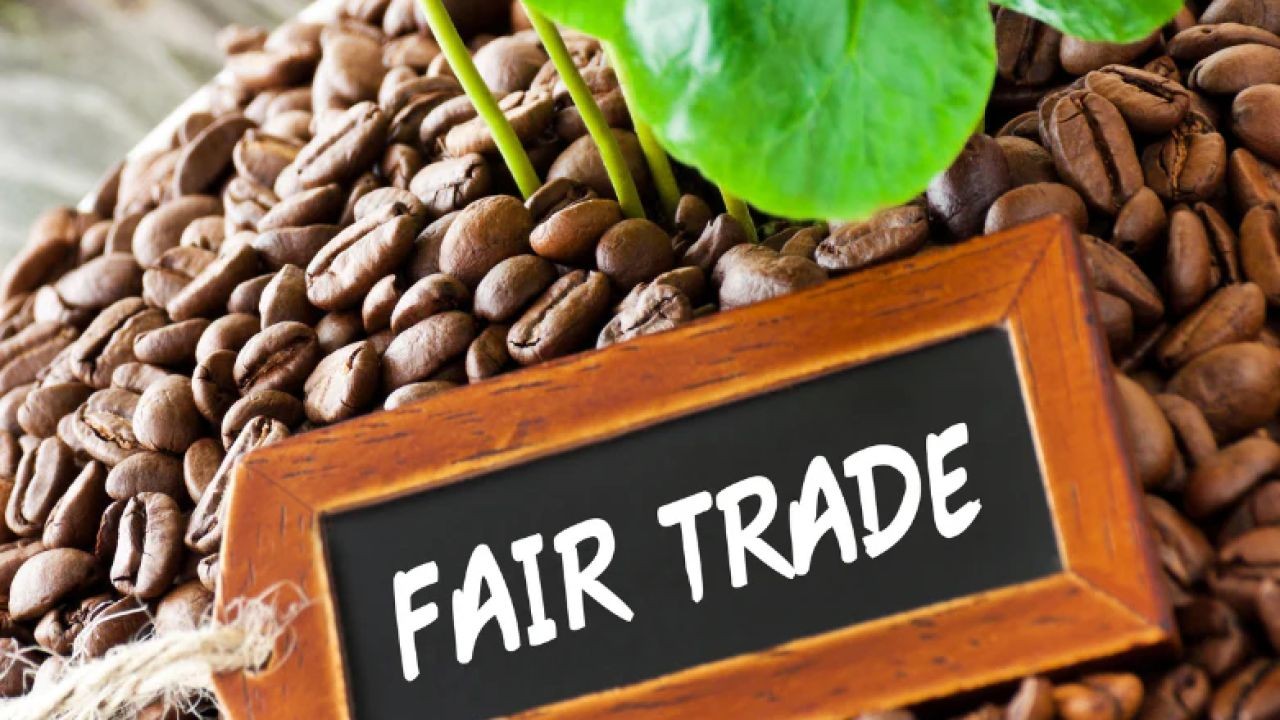
Ethical coffee refers to beans sourced in a manner that respects both the environment and the farmers who grow them. Fair-trade certification ensures that farmers receive a fair price, contributing to sustainable living conditions.
- Environmental Impact: Ethical coffee production prioritizes biodiversity and minimizes carbon footprints.
- Social Responsibility: Fair-trade coffee supports community development by investing in local projects.
- Consumer Demand: According to Stats NZ, there has been a 30% increase in demand for ethical products over the past five years, reflecting a broader shift towards sustainable consumption.
2. How to Identify Ethical and Fair-Trade Coffee
Finding the best ethical and fair-trade coffee requires understanding certifications and sourcing practices.
- Certifications: Look for labels such as Fairtrade, Rainforest Alliance, and Organic Certification. These ensure adherence to ethical and environmental standards.
- Transparency: Ethical brands provide clear information about sourcing and production processes.
- Local Roasters: Supporting New Zealand coffee roasters who prioritize ethical sourcing strengthens local economies and reduces carbon emissions from transportation.
Case Study: Kokako Organic Coffee Roasters
Problem: Kokako, a New Zealand-based coffee company, wanted to integrate sustainability into their business model.
Action: They adopted organic certification and direct trade practices, ensuring fair compensation for farmers.
Result: Kokako experienced a 50% increase in customer loyalty and became a leader in the ethical coffee movement in New Zealand.
Takeaway: By prioritizing ethical practices, businesses can enhance brand reputation and customer trust.
3. Common Myths About Ethical Coffee
- Myth: Ethical coffee is always more expensive.
- Reality: While some ethical options are pricier due to premium sourcing, many affordable choices exist. The cost often reflects the true value of sustainable production.
- Myth: All certifications are the same.
- Reality: Certifications vary in their criteria. Researching each label ensures alignment with personal values.
4. Challenges and Future Trends
As the demand for ethical coffee grows, new challenges and trends emerge.
- Supply Chain Transparency: Consumers increasingly demand to know the journey of their coffee from farm to cup.
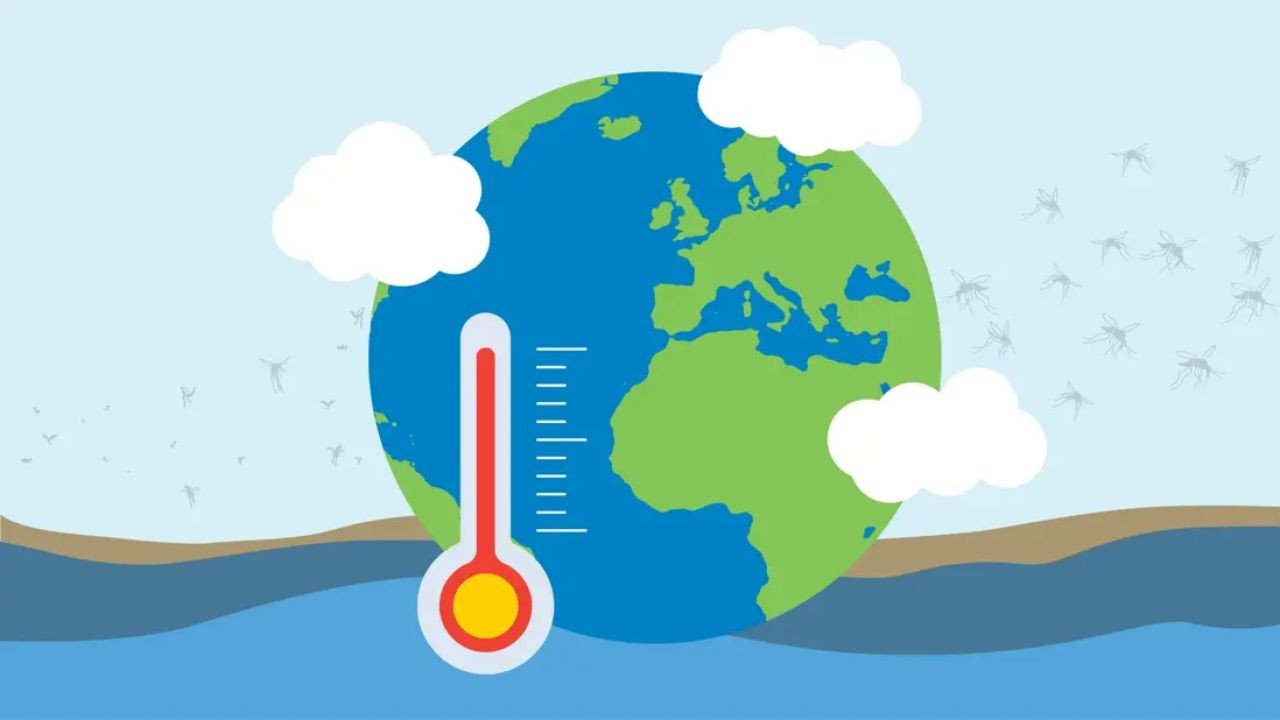
- Climate Change Impact: Coffee production is susceptible to climate change, affecting crop yields and quality. New Zealand's policy shifts towards sustainable agriculture can play a crucial role here.
- Industry Growth: The ethical coffee market is expected to grow by 20% in New Zealand by 2026, according to a report by MBIE.
5. Expert Insights on Ethical Coffee
Experts emphasize the importance of consumer awareness in driving the ethical coffee movement.
"Educated consumers can significantly impact demand for ethical products," says Dr. Emily Watson, a sustainability expert from the University of Auckland. "By choosing fair-trade coffee, New Zealanders contribute to a global shift towards sustainable agriculture."
6. Final Takeaways
- 🗸 Ethical coffee supports environmental and social sustainability.
- 🗸 Certifications like Fairtrade and Rainforest Alliance are key indicators of ethical practices.
- 🗸 Local New Zealand roasters like Kokako exemplify successful ethical business models.
- 🗸 The growth of the ethical coffee market presents opportunities for both consumers and businesses.
Conclusion
New Zealanders seeking to make a positive environmental impact can start by choosing ethical and fair-trade coffee. By supporting businesses that prioritize sustainable practices, consumers play a vital role in shaping a more equitable and environmentally friendly coffee industry. What steps will you take today to ensure your coffee choices contribute to a better world?
People Also Ask
- How does ethical coffee impact the environment? Ethical coffee reduces deforestation and promotes biodiversity. Sustainable farming practices lower carbon emissions and protect ecosystems.
- What are the benefits of fair-trade coffee for farmers? Fair-trade coffee ensures farmers receive fair compensation, improving their living standards and supporting community development projects.
Related Search Queries
- Best ethical coffee brands NZ
- Fair-trade coffee benefits
- Organic coffee New Zealand
- Local coffee roasters NZ
- Sustainable coffee practices