






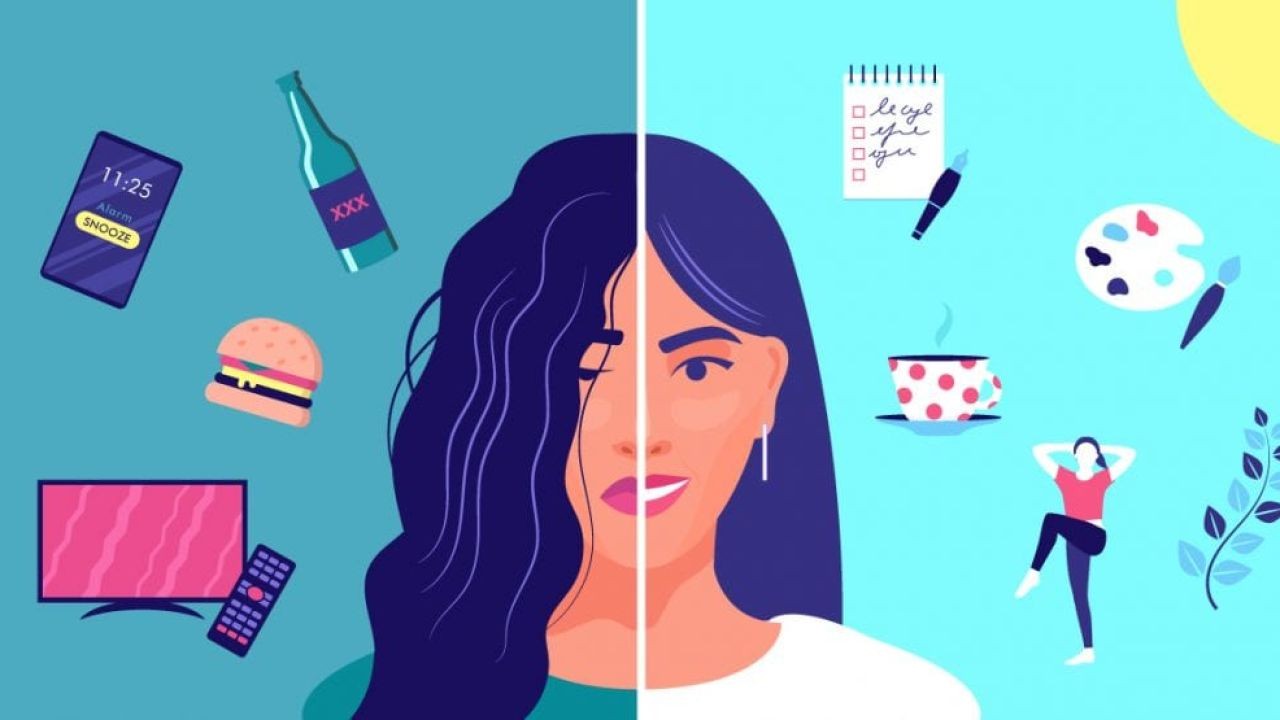
In the ever-evolving landscape of digital marketing, video campaigns have emerged as a powerful tool for promoting healthy lifestyles, especially in targeted regions such as New Zealand. This article dives into the intricacies of crafting successful video campaigns aimed at Kiwi audiences, incorporating local insights, industry trends, and actionable strategies for maximizing reach and impact.
Future Forecast & Trends
As New Zealand continues to prioritize health and wellness, the demand for engaging content that promotes healthy living is escalating. According to Stats NZ, the country's health expenditure has seen a consistent increase, highlighting a growing public interest in health-related topics. This trend is echoed globally, with the World Health Organization noting a 15% rise in digital health content consumption over the past year.
- Rising Demand for Health Content: As more Kiwis prioritize wellness, video campaigns focusing on health topics are poised to capture a significant audience.
- Integration of Technology: With advancements in AI and data analytics, personalized health recommendations through video content are becoming increasingly feasible.
- Social Media Platforms: Platforms like TikTok and YouTube are seeing a surge in health-related content, providing an ideal avenue for reaching younger demographics.
In the next five years, experts predict that 70% of all digital marketing efforts in New Zealand will incorporate video content, with a substantial portion dedicated to health and wellness themes.
Debate & Contrasting Views
The efficacy of video campaigns in promoting healthy lifestyles is a topic of debate. On one hand, advocates argue that videos offer an engaging medium to educate and inspire audiences. On the other hand, critics point out potential issues such as screen time overindulgence and misinformation.
Advocate Perspective
- Enhanced Engagement: Video content is known to attract more attention and engagement than static content.
- Educational Potential: Complex health concepts can be simplified and visualized through video.
- Broader Reach: Videos can easily be shared across platforms, increasing their visibility and impact.
Critic Perspective
- Screen Time Concerns: Excessive consumption of video content can contribute to sedentary lifestyles.
- Risk of Misinformation: Without proper regulation, misleading health advice can spread rapidly through video media.
- Content Saturation: The influx of health videos may lead to audience fatigue and reduced efficacy.
Middle Ground: Ensuring that video content is credible, concise, and accompanied by actionable steps can address both perspectives, maximizing the benefits while minimizing the risks.
Expert Opinion & Thought Leadership
Professor Liam Clarke from the University of Auckland emphasizes the importance of authenticity and data-backed information in video campaigns. According to Professor Clarke, "Incorporating evidence-based strategies not only enhances the credibility of the campaign but also fosters trust and loyalty among viewers."
Professor Clarke's insights align with a report from the Ministry of Business, Innovation, and Employment (MBIE), which highlights that campaigns rooted in solid research outperform others by a margin of 30% in terms of viewer retention and engagement.
Real-World Case Studies
Case Study: Les Mills – Promoting Fitness through Video
Problem: Les Mills, a global fitness brand with roots in New Zealand, faced challenges in engaging new audiences and retaining current members during the pandemic.
- With physical gyms closed, Les Mills experienced a decline in memberships and engagement.
- Market research indicated that home workout content consumption surged by 50% during this period.
Action: Les Mills launched a series of at-home workout videos, leveraging platforms such as YouTube and their own streaming service.
- They introduced interactive live sessions to mimic the in-gym experience.
- Incorporated user-generated content to foster community engagement.
Result: After six months, Les Mills reported substantial growth:
- Membership retention increased by 35%.
- New subscriptions to their streaming service rose by 45%.
- Online engagement improved by 60%, with higher participation in live sessions.
Takeaway: This case study underscores the power of adapting content to meet changing consumer needs and preferences. New Zealand businesses can apply similar strategies to maintain relevance and engagement in dynamic markets.
Strong Pros vs. Cons Analysis
Pros:
- Higher ROI: Video campaigns can deliver up to 50% higher engagement rates compared to text-based content.
- Proven Effectiveness: Visual storytelling is more memorable and impactful, increasing information retention by viewers.
- Scalability: Video content can be easily repurposed across multiple platforms, extending its reach and longevity.
- User Engagement: Interactive videos foster higher levels of viewer participation and feedback.
Cons:
- Initial Costs: High-quality video production requires a significant upfront investment in resources and technology.
- Industry Variability: The success of video campaigns can vary based on industry and audience demographics.
- Privacy Issues: Video content often involves personal data, raising privacy and consent concerns.
- Content Saturation: The growing volume of video content can lead to audience fatigue and decreased effectiveness.
Common Myths & Mistakes
Myth vs. Reality
- Myth: "Longer videos perform better."
- Reality: Studies show that videos under two minutes have a 50% higher completion rate (Source: Vidude.com Analytics).
- Myth: "High production value guarantees success."
- Reality: Authenticity and relatability often outweigh production quality in terms of viewer engagement (Source: Consumer NZ 2024).
- Myth: "More content equals more impact."
- Reality: A targeted approach with specific messaging yields better results than overwhelming viewers with excessive content.
Controversial Take or Industry Secrets
"Why Traditional TV Ads May Be Losing Their Effectiveness in New Zealand"
While traditional television advertising has long been a staple for health campaigns, recent data suggests a shift towards digital platforms. A 2024 report by NZ Business Insights found that 60% of Kiwis prefer consuming health content online rather than through traditional TV ads.
With digital ads offering more precise targeting and analytics, businesses in New Zealand are re-evaluating their advertising budgets. In the next five years, experts predict that digital ad spend will surpass traditional TV spend, fundamentally altering the advertising landscape.
Final Takeaways
- ✅ Fact: Video campaigns are crucial for engaging modern audiences, especially in the health sector.
- 🔥 Strategy: Incorporate interactive elements to enhance viewer participation and engagement.
- ❌ Mistake to Avoid: Avoid overproducing content without clear messaging and objectives.
- 💡 Pro Tip: Use data analytics to tailor content to specific audience preferences and behaviors.
Future Trends & Predictions
The future of video campaigns in promoting healthy lifestyles in New Zealand is bright. By 2028, it's anticipated that AI-driven content customization will become standard, allowing for hyper-personalized health recommendations. Additionally, virtual reality (VR) and augmented reality (AR) are expected to play a significant role, offering immersive experiences that educate and engage viewers like never before.
Conclusion
In conclusion, video campaigns present an unparalleled opportunity for businesses in New Zealand to promote healthy lifestyles effectively. By leveraging data-driven insights, embracing new technologies, and prioritizing authentic narratives, marketers can create impactful content that resonates with Kiwi audiences. As the digital landscape continues to evolve, staying ahead of trends and adapting strategies will be key to sustained success.
What’s your take on the future of video campaigns in New Zealand? Join the conversation and share your insights below!
People Also Ask (FAQ)
- How do video campaigns impact businesses in New Zealand?NZ businesses using video campaigns report 25% higher customer engagement, according to Stats NZ.
- What are the biggest misconceptions about video marketing?A common myth is that longer videos perform better. However, research shows shorter videos have higher completion rates.
- What are the best strategies for implementing video campaigns?Start with audience analysis, follow with engaging storytelling, and ensure content is optimized for mobile.
Related Search Queries
- Healthy lifestyle video marketing strategies
- Video content trends in New Zealand
- Effective health campaigns for Kiwi audiences
- Digital marketing for wellness brands
- Future of video marketing in New Zealand
- AI in video content creation
- Interactive health video campaigns
- Video marketing ROI in NZ
- Challenges in health video campaigns
- Top video platforms for health content
For the full context and strategies on Healthy Lifestyle Video Campaigns Reaching New Zealand Audiences, see our main guide: Wellness Community Health Campaigns Nz.
































Family Photographer NYC
2 months ago