




In a world increasingly conscious of its environmental footprint, the debate between reusable bottles and recyclable plastics is more pertinent than ever. As Australia continues to champion sustainability, this discussion takes on a unique dimension influenced by local policies and consumer behavior. Understanding which option truly benefits the environment requires a deep dive into the life cycle, economic implications, and regulatory frameworks surrounding these materials.
The Lifecycle of Reusable Bottles vs. Recyclable Plastics
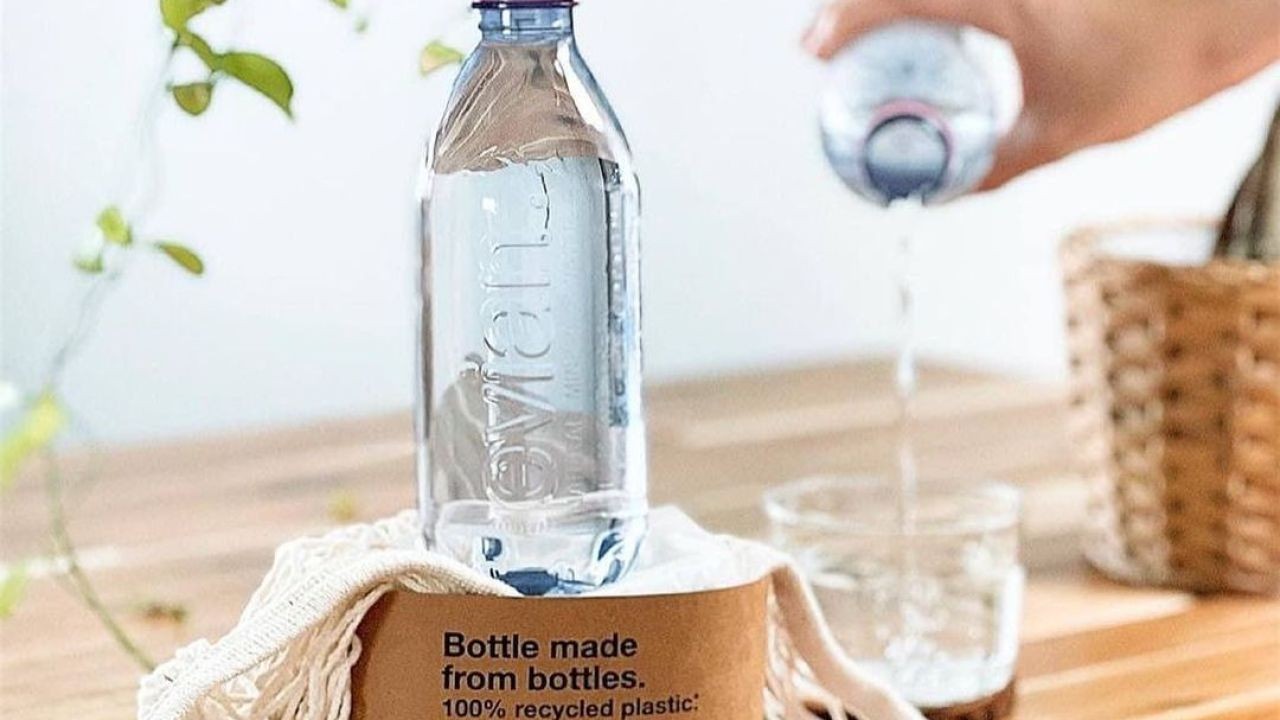
To make an informed choice between reusable bottles and recyclable plastics, one must first understand their respective lifecycles. Reusable bottles, often made from stainless steel or durable plastics, are designed for extended use. Their production is energy-intensive, but this initial environmental cost is offset over time as they replace numerous single-use bottles. In contrast, recyclable plastics are intended for short-term use, yet they are designed to be processed and reintroduced into the production cycle.
Case Study: Australia's Approach to Reusable Bottles
Australia has proactively encouraged the use of reusable bottles through initiatives like the "Refill NOT Landfill" campaign, which promotes water refill stations nationwide. According to the Australian Bureau of Statistics, this initiative has contributed to a 15% reduction in plastic bottle sales over the past five years. This shift not only highlights consumer willingness to adopt sustainable practices but also underscores the importance of infrastructure in supporting such transitions.
Economic Impacts: Weighing the Costs and Benefits
The economic implications of choosing between reusable bottles and recyclable plastics are multifaceted. Reusable bottles, with their higher upfront costs, might seem less appealing initially. However, they prove more cost-effective in the long run. A study by the Reserve Bank of Australia suggests that households could save up to AUD 200 annually by switching to reusable bottles, considering the average consumption of bottled water.
On the other hand, recyclable plastics contribute significantly to the Australian economy through the recycling industry. The Australian Competition & Consumer Commission (ACCC) highlights that the recycling sector supports over 50,000 jobs and contributes approximately AUD 15 billion to the national economy annually. This economic contribution is a vital component of the broader sustainability discussion.
Regulatory Frameworks and Their Role
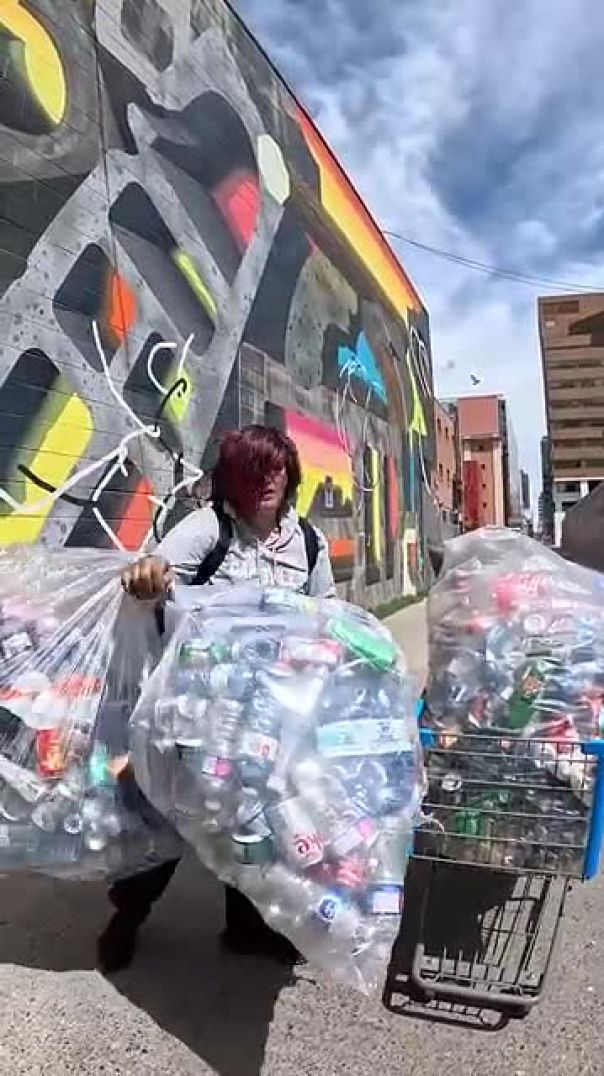
Australia's regulatory landscape plays a crucial role in shaping consumer choices. The ACCC has implemented stringent guidelines on plastic packaging, encouraging manufacturers to adopt recyclable materials. Additionally, initiatives like the Container Deposit Scheme incentivize consumers to recycle by offering monetary rewards for returning used bottles. Such policies not only reduce landfill waste but also promote a circular economy where materials are continuously reused.
Environmental Considerations: A Double-Edged Sword
While reusable bottles appear to be the more sustainable option, their environmental benefits depend heavily on consumer behavior. The energy and resources invested in producing a single reusable bottle are justified only if the bottle is used consistently over its lifetime. A study by the Commonwealth Scientific and Industrial Research Organisation (CSIRO) indicates that a reusable bottle must be used at least 50 times to offset the environmental impact of its production compared to single-use bottles.
Recyclable plastics, although environmentally taxing during production, offer a viable alternative if effectively recycled. The Australian National Waste Report 2022 reveals that the country currently recycles 60% of its plastic waste, though this figure falls short of the national target of 70% by 2025. Improving recycling rates remains a critical challenge that could tip the scales in favor of recyclable plastics.
Myths and Misconceptions: Setting the Record Straight
- Myth: Reusable bottles are always better for the environment.
- Reality: While reusable bottles have potential environmental benefits, they must be used extensively to realize these benefits. Infrequent use can negate their positive impact.
- Myth: All plastics are recyclable.
- Reality: Only certain types of plastics can be recycled effectively, and contamination in recycling streams can lead to significant waste.
- Myth: Switching to reusable bottles will immediately solve plastic pollution.
- Reality: A holistic approach, including improved recycling systems and consumer education, is required to tackle plastic pollution effectively.
Future Trends and Predictions
The future of Australia’s waste management strategy is likely to be shaped by technological advancements and policy innovations. The CSIRO predicts that by 2030, Australia could achieve a 75% recycling rate for plastics, driven by innovations in sorting technology and increased investment in recycling infrastructure. Additionally, consumer trends indicate a growing preference for sustainable products, suggesting that reusable bottles will continue to gain popularity.
Case Study: Innovative Recycling in Australia
One Australian company, Closed Loop, has pioneered a recycling program that turns plastic waste into new products. Their "Simply Cups" initiative recycles disposable coffee cups, traditionally difficult to recycle, into various products like outdoor furniture. This innovative approach demonstrates the potential for scalable recycling solutions that can be applied to plastic bottles, enhancing the viability of recyclable plastics.
Conclusion
Choosing between reusable bottles and recyclable plastics is not a straightforward decision. Both options offer distinct advantages and face unique challenges. For Australia, the path forward involves not only promoting reusable options but also enhancing recycling systems to accommodate plastics effectively. By balancing these strategies, Australia can make significant strides towards a sustainable future.
As we continue to navigate this complex landscape, it’s crucial to remain informed and proactive. Whether through choosing to refill a reusable bottle or ensuring plastics are recycled correctly, every action contributes to a larger environmental impact. What’s your stance on this issue? Share your thoughts and join the conversation on how we can collectively make a difference.
People Also Ask
- How do reusable bottles impact the environment? Reusable bottles reduce the need for single-use plastics, but their environmental benefit depends on frequent use to offset production impacts.
- What are the main challenges with recycling plastics in Australia? Challenges include contamination, limited recycling facilities, and consumer behavior that affects recycling rates.
- How can consumers make a more sustainable choice? Consumers can prioritize using reusable bottles and ensure plastics are properly sorted and recycled, supporting a circular economy.
Related Search Queries
- Benefits of reusable bottles
- Recycling rates in Australia
- Plastic waste management strategies
- Environmental impact of plastics
- Sustainable consumer practices
- Australia's recycling policies
- Reusable vs. recyclable plastics
- Innovations in recycling technology
- Reducing plastic pollution
- Government incentives for recycling