






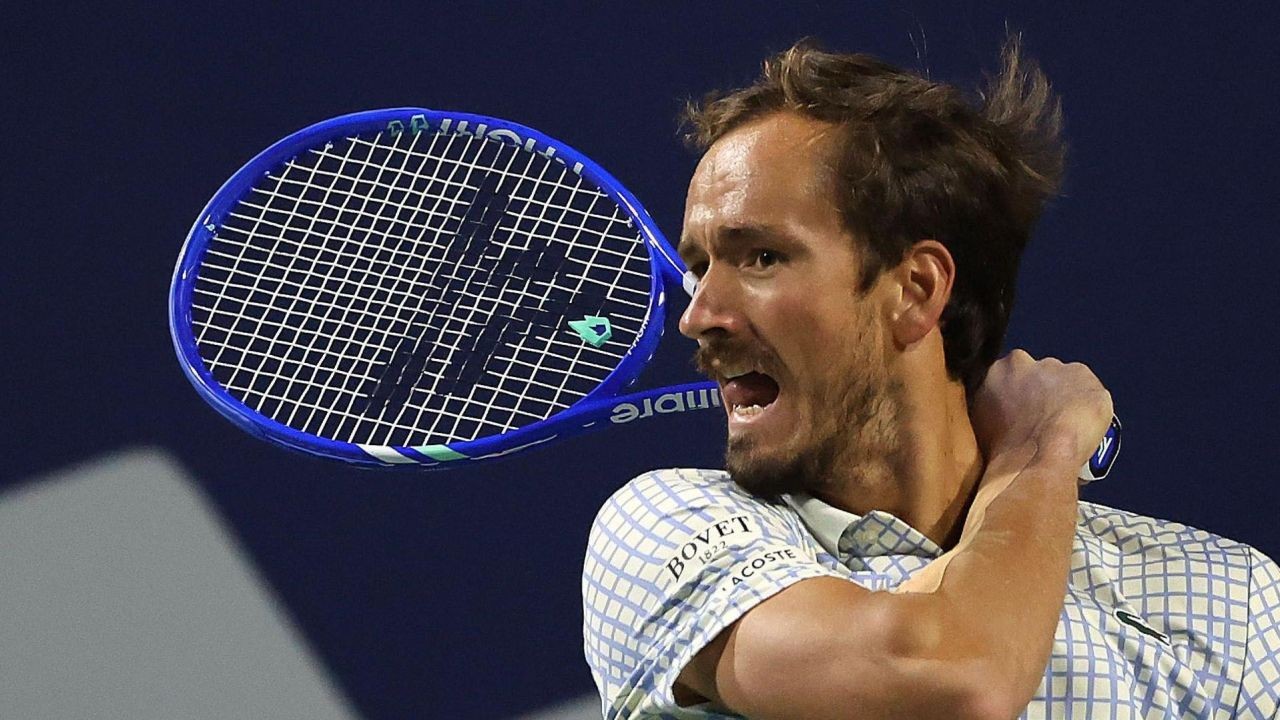
As the US Open unfolded, tennis enthusiasts were drawn not just by the athletic prowess on display but by the human drama that unfolded on the courts. One such instance was the first-round clash involving Daniil Medvedev, where his performance brought a surprising twist. Boris Becker, a renowned figure in the tennis world, candidly remarked that Medvedev "needs help" after witnessing his meltdown. This raises broader questions about the pressures faced by elite athletes and the societal expectations they contend with. While the US Open is a global stage, its reverberations are felt far and wide, including in places like New Zealand, where sports are both a passion and a growing industry.
The Pressure Cooker of Professional Sports
Competing at the highest level in sports is akin to performing under a microscope. Every move, every expression is scrutinized by audiences worldwide. Daniil Medvedev’s episode at the US Open is a testament to this relentless pressure. For athletes, the expectation to perform flawlessly can be overwhelming, leading to moments of vulnerability and emotional outbursts.
The Kiwi Connection
In New Zealand, a country with a rich sports culture, the pressures faced by athletes are well understood. Kiwi athletes, too, face immense pressure on the international stage, be it in rugby, cricket, or the Olympics. The New Zealand government, through its High Performance Sport NZ initiative, acknowledges the need for psychological support as part of their athlete development programs. This recognition is crucial as it provides athletes with the necessary tools to manage stress and maintain mental well-being.
Case Study: The Burden of Expectations
Consider the journey of Valerie Adams, a celebrated New Zealand shot putter. Despite her success, Adams has spoken openly about the psychological pressures faced during her career. Her candidness has sparked important conversations in New Zealand about athlete mental health, encouraging a more holistic approach to training that includes mental resilience strategies.
Pros and Cons of High-Pressure Sports
Professional sports, while offering fame and fortune, come with significant challenges. Here are some pros and cons:
- Pros: High rewards, international recognition, sponsorship opportunities.
- Cons: Intense scrutiny, emotional stress, risk of burnout.
Data-Driven Analysis: The State of Mental Health in Sports
Statistics from High Performance Sport New Zealand reveal that mental health issues are a growing concern. A 2022 report highlighted that 45% of athletes have experienced mental health challenges during their careers. This data underscores the importance of integrating mental health support into sports training programs.
Contrasting Viewpoints: Performance vs. Well-being
There's an ongoing debate in sports circles about prioritizing performance over athlete well-being. Advocates argue that competitive success requires pushing physical and mental limits. Critics, however, emphasize the long-term health implications of such an approach, advocating for balanced training regimens that prioritize mental health.
Lessons from the US Open
The incident with Medvedev serves as a reminder of the need for comprehensive support systems for athletes. New Zealand, with its progressive approach to sports psychology, offers valuable lessons in creating environments that nurture both performance and personal well-being.
Myths and Misconceptions
- Myth: Athletes are mentally tough and don't need emotional support. Reality: Mental health is as critical as physical health for peak performance.
- Myth: Public outbursts are signs of weakness. Reality: They are often cries for help, highlighting the need for better support systems.
Real-World Applications: New Zealand's Approach
New Zealand's emphasis on athlete mental health can serve as a model for other nations. The integration of mental health professionals into sports teams is a practice that has shown positive outcomes in athlete performance and overall well-being.
Future Trends in Sports Psychology
The future of sports lies in a balanced approach that values mental health as much as physical prowess. By 2028, it's predicted that psychological support will be a standard component of athlete training programs globally, including in New Zealand.
Conclusion: The Way Forward
In conclusion, while Daniil Medvedev's US Open episode was a moment of vulnerability, it highlights a broader issue in professional sports. New Zealand’s approach to integrating mental health support offers a roadmap for other nations. As we look to the future, the focus should be on creating environments that support both the mental and physical health of athletes.
Final Takeaway & Call to Action
As we continue to enjoy the spectacle of professional sports, it's crucial to remember the human behind the athlete. For those in the sports industry, it's time to prioritize mental health support to ensure the well-being of athletes. Share your thoughts on how we can better support our athletes in the comments below!
People Also Ask
- How does athlete mental health impact performance? Athlete mental health significantly influences performance, with well-supported athletes often demonstrating higher resilience and consistency.
- What are the biggest misconceptions about athlete support? A common myth is that athletes don't need emotional support. In reality, mental health is crucial for sustained peak performance.
- How is New Zealand addressing athlete mental health? New Zealand integrates psychological support into training programs, setting a standard for holistic athlete development.
Related Search Queries
- Daniil Medvedev US Open 2023
- Sports psychology in New Zealand
- Boris Becker on athlete mental health
- High Performance Sport NZ initiatives
- Valerie Adams mental health awareness