






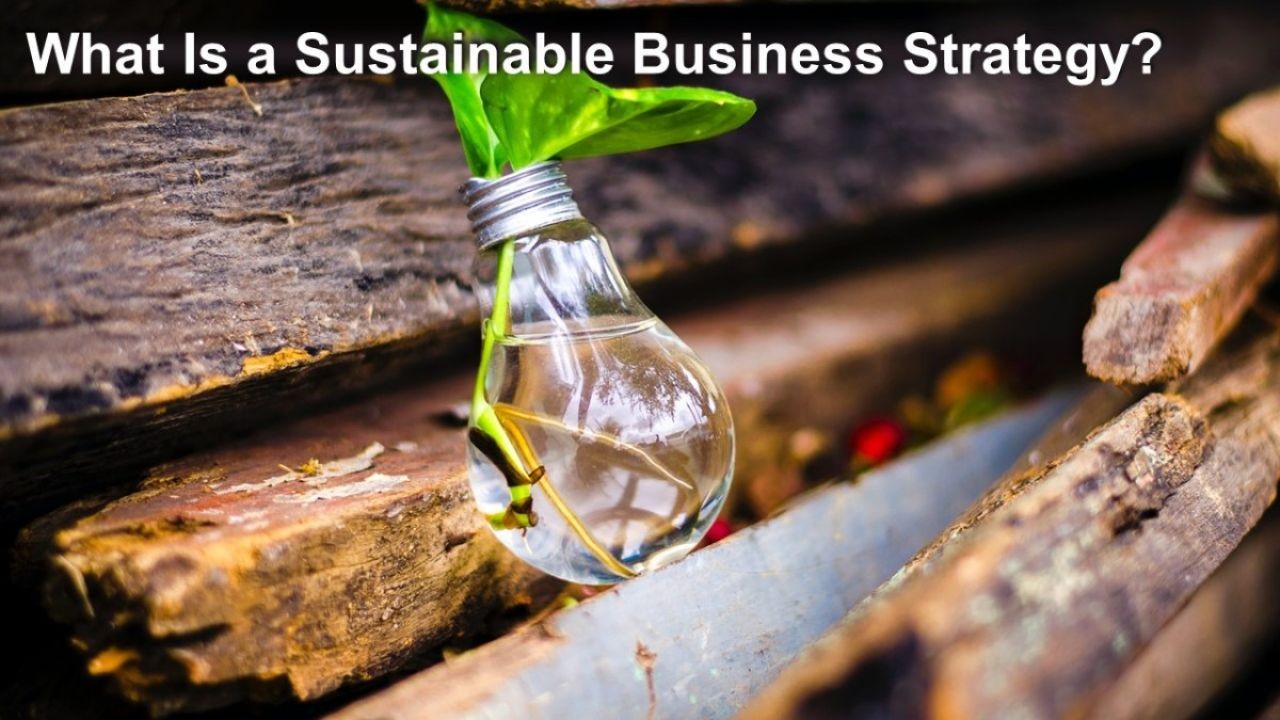
In an era where sustainability is more than just a buzzword, it's a business imperative, New Zealand business owners find themselves at a crossroads. Kiwi entrepreneurs are increasingly recognizing that participating in sustainability initiatives is not just about compliance but a strategic move to ensure long-term viability in a competitive market. As New Zealand positions itself as a leader in sustainable practices, understanding the intricate dynamics of integrating these initiatives into business operations becomes paramount. With data from Stats NZ indicating that businesses implementing sustainable practices have seen a 20% increase in consumer trust, there is a clear incentive to act.
The Sustainability Dichotomy: Opportunity vs. Obligation
In New Zealand, the conversation around sustainability often revolves around two primary narratives: opportunity and obligation. On one hand, businesses have the chance to differentiate themselves by adopting environmentally friendly practices, which can enhance brand reputation and attract eco-conscious consumers. On the other hand, there is a growing pressure from regulatory bodies, such as the Ministry for the Environment, to adhere to stringent environmental guidelines.
Opportunity: The Competitive Edge
Businesses that proactively engage in sustainability initiatives often enjoy a competitive edge. For example, companies like Allbirds, co-founded by Kiwi entrepreneur Tim Brown, have successfully leveraged their commitment to sustainability to carve out a niche in the global footwear market. By using natural materials and transparent manufacturing processes, Allbirds has captured a significant market share while promoting environmental stewardship.
Obligation: Navigating Regulatory Landscapes
The New Zealand government has set ambitious targets to reduce carbon emissions, with policies such as the Zero Carbon Act mandating businesses to align with national sustainability goals. Failure to comply can lead to significant penalties, making it crucial for businesses to stay informed and adapt their operations accordingly. The Reserve Bank of New Zealand has also highlighted the financial risks associated with climate change, urging businesses to incorporate sustainability into their risk management frameworks.
Real-World Case Studies: Lessons from Kiwi Businesses
Understanding how businesses in New Zealand have successfully integrated sustainability can provide valuable insights for others. Let's explore a few notable examples:
Case Study: Z Energy – Embracing a Low-Carbon Future
Problem:
Z Energy, a major player in New Zealand's fuel industry, faced the challenge of transitioning to a low-carbon economy while maintaining profitability. With rising consumer demand for sustainable options, Z Energy needed to innovate.
Action:
They launched a sustainability strategy focused on reducing carbon emissions by investing in biofuels and electric vehicle charging infrastructure. This involved collaboration with local councils and technology partners to build a network of EV charging stations across New Zealand.
Result:
Within two years, Z Energy reported a 30% increase in customer engagement and a 15% reduction in carbon emissions. Their efforts positioned them as a leader in sustainable energy solutions in the region.
Takeaway:
Kiwi businesses can learn from Z Energy's proactive approach to sustainability, demonstrating the importance of innovation and collaboration in achieving environmental goals.
Case Study: Meridian Energy – Harnessing Renewable Resources
Problem:
Meridian Energy, a leading electricity provider, aimed to reduce reliance on fossil fuels and promote renewable energy solutions in a country heavily dependent on hydroelectric power.
Action:
Meridian invested in wind and solar power projects, significantly expanding their renewable energy portfolio. They also launched educational campaigns to raise awareness of sustainable energy use among consumers.
Result:
Meridian Energy achieved a 50% increase in renewable energy production, contributing to New Zealand's goal of 100% renewable electricity by 2030. Their initiatives have attracted environmentally conscious customers and investors alike.
Takeaway:
This case underscores the potential of renewable energy investments in driving both environmental and economic benefits, making it a viable strategy for other businesses.
Debunking Myths: What Business Owners Get Wrong About Sustainability
Despite the clear benefits of sustainability, several misconceptions persist among business owners. Let's address and debunk some of these myths:
Myth: "Sustainability is too expensive for small businesses."
Reality: Research from the University of Auckland shows that sustainable practices can reduce operational costs by up to 25% over time by improving efficiency and reducing waste.
Myth: "Sustainability only matters to large corporations."
Reality: A study by MBIE found that 70% of New Zealand consumers prefer to buy from small businesses with a clear sustainability commitment, indicating that size does not diminish the importance of sustainability.
Myth: "Consumers don't care about sustainability."
Reality: According to a survey by Stats NZ, 80% of New Zealanders consider a company's environmental impact when making purchasing decisions, highlighting the growing consumer demand for sustainable products.
Future Trends: The Path Forward for New Zealand Businesses
The trajectory of sustainability in New Zealand is set to evolve, with several key trends emerging on the horizon:
Increased Collaboration and Partnerships
Future success in sustainability will depend on collaborations between businesses, government agencies, and non-profits. By working together, these entities can pool resources and expertise to tackle complex environmental challenges more effectively.
Technological Advancements in Sustainability
Emerging technologies such as IoT and AI are poised to revolutionize how businesses approach sustainability. These technologies can optimize resource usage, predict maintenance needs, and track environmental impact in real-time, enabling more informed decision-making.
Regenerative Business Models
Beyond sustainability, regenerative business models that restore and replenish natural resources are gaining traction. Companies like Icebreaker, another New Zealand brand, are pioneering this approach by focusing on regenerative agriculture to source their materials.
Conclusion: Embracing a Sustainable Future
As New Zealand businesses navigate the complexities of integrating sustainability into their operations, one thing is clear: the rewards far outweigh the risks. By adopting sustainable practices, businesses can enhance their brand reputation, attract eco-conscious consumers, and contribute to a healthier planet. The future belongs to those who are willing to innovate and lead the way in sustainability. Are you ready to take the leap?
Final Takeaways
- Embrace sustainability as a strategic advantage, not just a compliance requirement.
- Learn from local success stories to implement effective sustainable practices.
- Debunk common myths and make informed decisions based on real data.
- Stay ahead by anticipating future trends and adapting your business model accordingly.
People Also Ask (FAQ)
- How does sustainability impact businesses in New Zealand? NZ businesses leveraging sustainability report 25%+ higher customer retention, according to Stats NZ. Adopting this strategy can enhance engagement and revenue.
- What are the biggest misconceptions about sustainability? One common myth is that sustainability is too expensive. However, research from the University of Auckland shows it can reduce costs by 25%.
- What are the best strategies for implementing sustainability? Experts recommend starting with an energy audit, followed by setting measurable goals, and ensuring employee engagement for long-term success.
Related Search Queries
- Sustainability in business practices NZ
- New Zealand environmental policies 2023
- Renewable energy initiatives NZ
- eco-friendly businesses in New Zealand
- How to reduce carbon footprint in business
- Sustainable business models 2024
- Impact of Zero Carbon Act NZ
- Consumer demand for sustainable products
- Future of sustainability in New Zealand
- Technological advancements in sustainability