






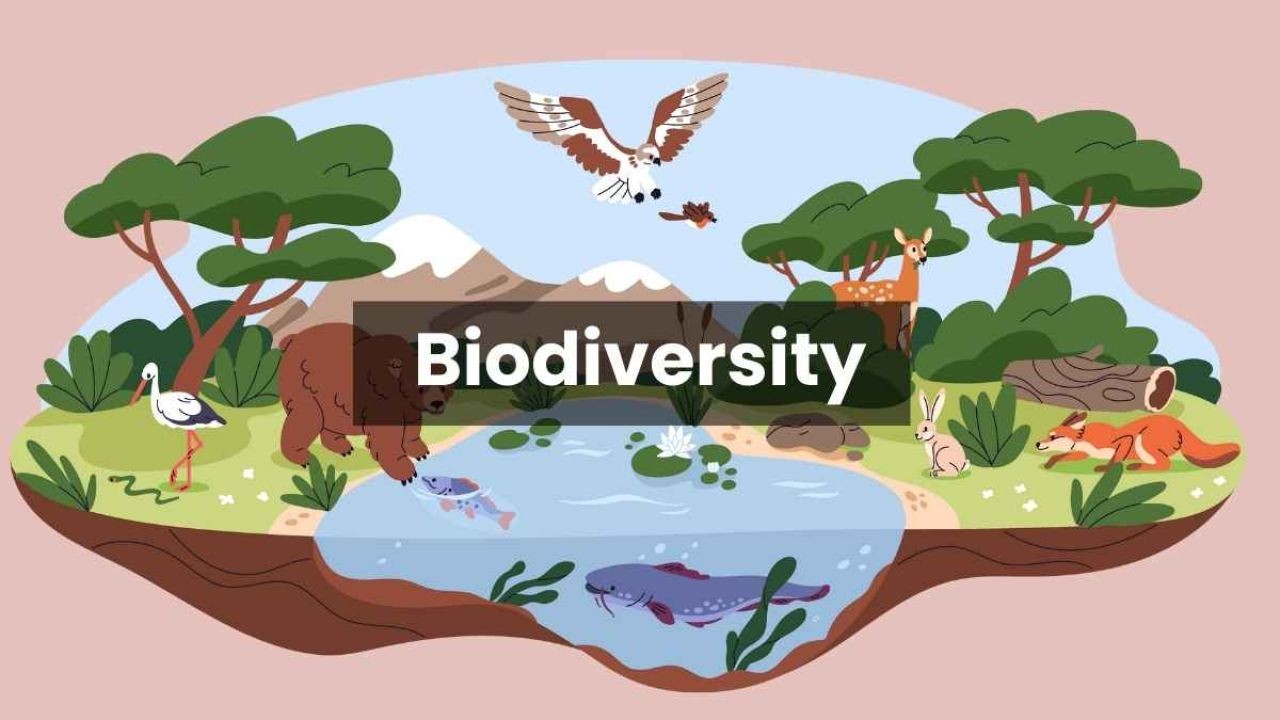
Climate change, an increasingly pressing global issue, is reshaping ecosystems worldwide. In New Zealand, a country renowned for its rich biodiversity and unique ecosystems, the impacts are profound and multifaceted. From the iconic Kiwi to the Takahe, New Zealand's flora and fauna are facing unprecedented threats due to changing climatic conditions. Understanding these impacts is crucial, not only for conservation efforts but also for New Zealand's economy, which heavily relies on tourism and agriculture, industries deeply intertwined with the country's natural environment.
According to the Ministry for the Environment, New Zealand's average temperature has increased by approximately 1°C since 1909, and this trend is expected to continue. This warming, combined with altered precipitation patterns and increased frequency of extreme weather events, poses significant challenges to native species and habitats. The stakes are high, as New Zealand's biodiversity is not only a source of national pride but also a vital component of its economic and cultural identity.
Climate change is no longer a distant or abstract threat to New Zealand’s biodiversity. Its impacts are already unfolding across forests, coastlines, alpine regions, and freshwater systems, placing pressure on species found nowhere else on Earth. As a nation defined by its natural environment, understanding what truly matters in this biodiversity crisis is critical for New Zealand’s ecological, cultural, and economic future.
One of the most significant challenges is the speed at which climate conditions are changing. Many native species evolved in stable environments and have limited ability to adapt quickly. Rising temperatures are shifting habitat ranges, particularly in alpine and subalpine zones, where species have nowhere higher to retreat. As these environments shrink, endemic plants and animals face heightened extinction risk.
Changes in rainfall patterns are also reshaping ecosystems. Increased drought frequency in some regions stresses forests and wetlands, while heavier rainfall elsewhere leads to flooding, erosion, and sedimentation of rivers and estuaries. These shifts disrupt breeding cycles, reduce food availability, and degrade habitats relied upon by birds, fish, and invertebrates. Freshwater species are especially vulnerable, as even small temperature and flow changes can affect survival.
Marine biodiversity is under growing strain as ocean temperatures rise and acidity increases. New Zealand’s coastal ecosystems, including kelp forests and shellfish beds, are sensitive to warming seas. These systems form the foundation of marine food chains and support fisheries, tourism, and coastal communities. When they decline, the ripple effects extend well beyond the water.
Climate change is also amplifying existing threats. Invasive species often adapt more easily to changing conditions than native wildlife, gaining a competitive advantage. Warmer temperatures can expand the range of pests and diseases, undermining conservation gains made through decades of predator control. This interaction between climate stress and biological invasion is one of the most complex challenges facing conservation efforts in New Zealand.
Taonga species hold particular significance. For Māori, biodiversity loss is not only ecological but cultural. Climate-driven changes affect traditional food sources, customary practices, and ancestral relationships with the land and sea. Incorporating mātauranga Māori into climate and conservation planning is increasingly recognised as essential to protecting both biodiversity and cultural identity.
The economic consequences are often overlooked. Biodiversity underpins agriculture, tourism, and New Zealand’s international reputation. Degraded ecosystems reduce resilience to extreme weather, increase costs for land management, and threaten industries that depend on healthy environments. Protecting biodiversity is not a cost burden; it is a form of long-term economic risk management.
Despite these challenges, there is opportunity. Climate-aware conservation strategies are emerging, focusing on ecosystem resilience rather than static preservation. This includes restoring wetlands to buffer floods, creating wildlife corridors to support species movement, and integrating climate projections into land-use planning. New Zealand’s size and strong conservation culture position it well to lead in adaptive biodiversity management.
What matters most now is prioritisation. Resources must be directed toward ecosystems and species at greatest risk, while aligning climate action with conservation outcomes. Emissions reduction, habitat restoration, and predator control are not separate goals; they are interconnected solutions that reinforce one another.
The hidden truth is that climate change will redefine what biodiversity protection looks like in New Zealand. The question is not whether ecosystems will change, but whether those changes are guided or chaotic. By acting early, integrating science and indigenous knowledge, and recognising biodiversity as a national asset, New Zealand can protect what makes it unique.
For Kiwis, this issue is deeply personal. Biodiversity is woven into identity, wellbeing, and future prosperity. Understanding the real impacts of climate change is the first step toward ensuring that New Zealand’s natural heritage endures for generations to come.
The Threat to New Zealand's Unique Biodiversity
New Zealand's geographic isolation has resulted in a highly unique set of flora and fauna, with approximately 80% of its plants and animals found nowhere else on Earth. However, this distinctiveness also makes them highly vulnerable to environmental changes. For instance, many native species have evolved without the presence of mammalian predators, making them particularly susceptible to new threats.
Impact on Native Birds
Birds such as the Kiwi, Kakapo, and Tui are emblematic of New Zealand's natural heritage. However, these species are increasingly at risk. Climate change affects their habitat, food availability, and breeding patterns. The Department of Conservation reports that altered weather patterns have disrupted the breeding cycles of several bird species, leading to decreased reproductive success.
Effects on Marine Ecosystems
New Zealand's marine biodiversity, including the Hector's dolphin and the yellow-eyed penguin, is similarly under threat. Rising sea temperatures and ocean acidification are altering marine ecosystems, impacting species distribution and food webs. According to Stats NZ, the country's fisheries industry, valued at over NZD 1.5 billion, is at risk, as changes in marine biodiversity can affect fish stocks and, consequently, the livelihoods of those dependent on them.
Pros and Cons of Climate Change Mitigation Strategies
Addressing the impacts of climate change on biodiversity involves complex trade-offs. On one hand, mitigation efforts such as reforestation and predator control can help preserve native species. On the other hand, these strategies often require substantial resources and may face resistance from stakeholders concerned about economic impacts.
Pros
- Enhanced Biodiversity Protection: Implementing conservation strategies can lead to the recovery of endangered species and ecosystems.
- Economic Opportunities: Eco-tourism can thrive as a result of improved biodiversity, contributing to the economy.
- Long-term Sustainability: Healthy ecosystems are more resilient to climate change, providing long-term environmental benefits.
Cons
- High Initial Costs: Conservation projects require significant investment, which can strain budgets.
- Potential Economic Disruption: Industries such as agriculture may face challenges adapting to new environmental regulations.
- Social Resistance: Community buy-in is crucial, and resistance can hinder the implementation of necessary measures.
Case Study: Predator-Free 2050 Initiative
The Predator-Free 2050 initiative is an ambitious program aiming to eradicate invasive predators such as rats, stoats, and possums from New Zealand by 2050. These predators pose a significant threat to native wildlife, and their removal is seen as a critical step in restoring New Zealand's natural ecosystems.
Problem: Invasive predators are responsible for the decline of many native species, threatening biodiversity and natural heritage.
Action: The government, alongside local communities and private organizations, is employing various strategies such as trapping, poisoning, and genetic technologies to control and eliminate these predators.
Result: Initial efforts have shown promise, with some regions reporting significant decreases in predator populations. This success has led to increased funding and support for expanding the program nationwide.
Takeaway: The Predator-Free 2050 initiative illustrates the potential for large-scale conservation projects to make a positive impact on biodiversity. It underscores the importance of collaboration between government, communities, and the private sector in achieving conservation goals.
Common Myths About Climate Change and Biodiversity
Misconceptions about climate change and its impact on biodiversity are widespread. Addressing these myths is essential for informed decision-making and effective action.
Myth: "Climate change only affects polar regions and not temperate areas like New Zealand."
Reality: In fact, New Zealand's ecosystems are already showing signs of stress due to climate change, with shifts in species distribution and increased vulnerability to invasive species.
Myth: "Planting trees is enough to combat biodiversity loss."
Reality: While reforestation is beneficial, it must be part of a broader strategy that includes habitat protection, predator control, and sustainable land management to effectively counteract biodiversity loss.
Myth: "Climate change impacts are too gradual to require immediate action."
Reality: The effects of climate change are accelerating, with immediate and long-term impacts on ecosystems. Prompt action is necessary to mitigate these effects and preserve biodiversity.
Future Trends and Predictions
Looking ahead, the future of New Zealand's biodiversity in the face of climate change will depend on the actions taken today. A recent report from the University of Auckland suggests that if current trends continue, New Zealand could see a 20% decline in native species by 2050. However, with proactive measures, such as enhancing protected areas and integrating climate considerations into all levels of policy and planning, this outcome can be mitigated.
Furthermore, technological advancements in conservation, such as the use of drones for monitoring wildlife and AI for predicting ecological changes, are expected to play a crucial role. These innovations could enhance conservation efforts, making them more efficient and effective.
Conclusion and Call to Action
The impact of climate change on New Zealand's biodiversity is a critical issue that requires immediate and sustained attention. For travel experts and those in the tourism industry, understanding these changes is vital for adapting to new realities and ensuring the sustainability of tourism reliant on New Zealand's natural beauty.
As a community, there is a collective responsibility to safeguard New Zealand's unique ecosystems for future generations. Whether through supporting conservation initiatives, advocating for policy changes, or promoting sustainable practices, every action counts.
What steps will you take to contribute to the preservation of New Zealand's biodiversity? Share your thoughts and join the conversation below!
People Also Ask
- How does climate change impact New Zealand's economy? New Zealand's economy, particularly tourism and agriculture, is heavily reliant on its natural environment. Climate change threatens these industries by affecting biodiversity, leading to potential economic losses.
- What are the biggest misconceptions about climate change in New Zealand? One common myth is that climate change only affects polar regions. In reality, New Zealand's ecosystems are already experiencing significant impacts, highlighting the urgency for action.
- What are the best strategies for mitigating climate change impacts on biodiversity? Effective strategies include enhancing protected areas, integrating climate considerations into policy, and utilizing technology for conservation efforts.
Related Search Queries
- New Zealand biodiversity and climate change
- Impact of climate change on Kiwi birds
- Predator-Free 2050 initiative
- Marine biodiversity in New Zealand
- Climate change mitigation strategies in NZ
- Conservation technologies for biodiversity
- Biodiversity loss in temperate regions
- New Zealand environmental policies
- Eco-tourism in New Zealand
- Future of New Zealand's ecosystems
For the full context and strategies on 4. Impact of Climate Change on NZ's Biodiversity – Breaking Down What Matters Most, see our main guide: Fair Monetization How Vidude Pays Kiwi Creators Better.































TheLights4U
5 days ago