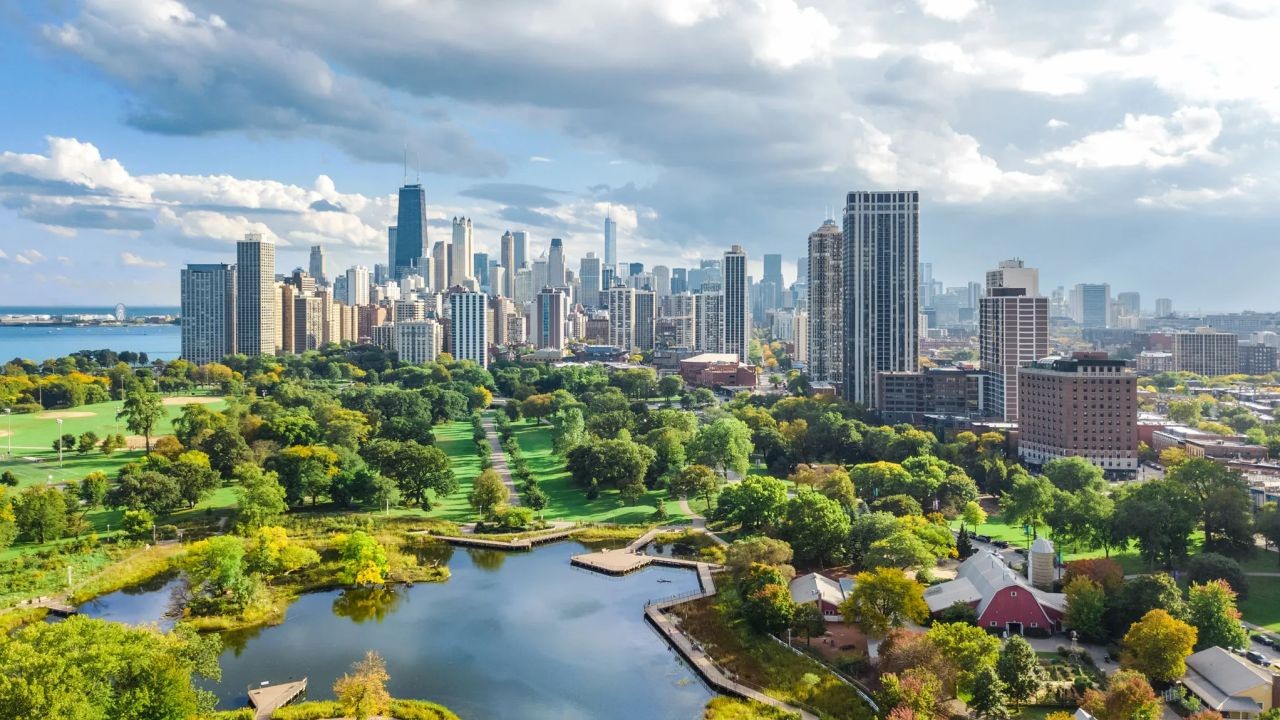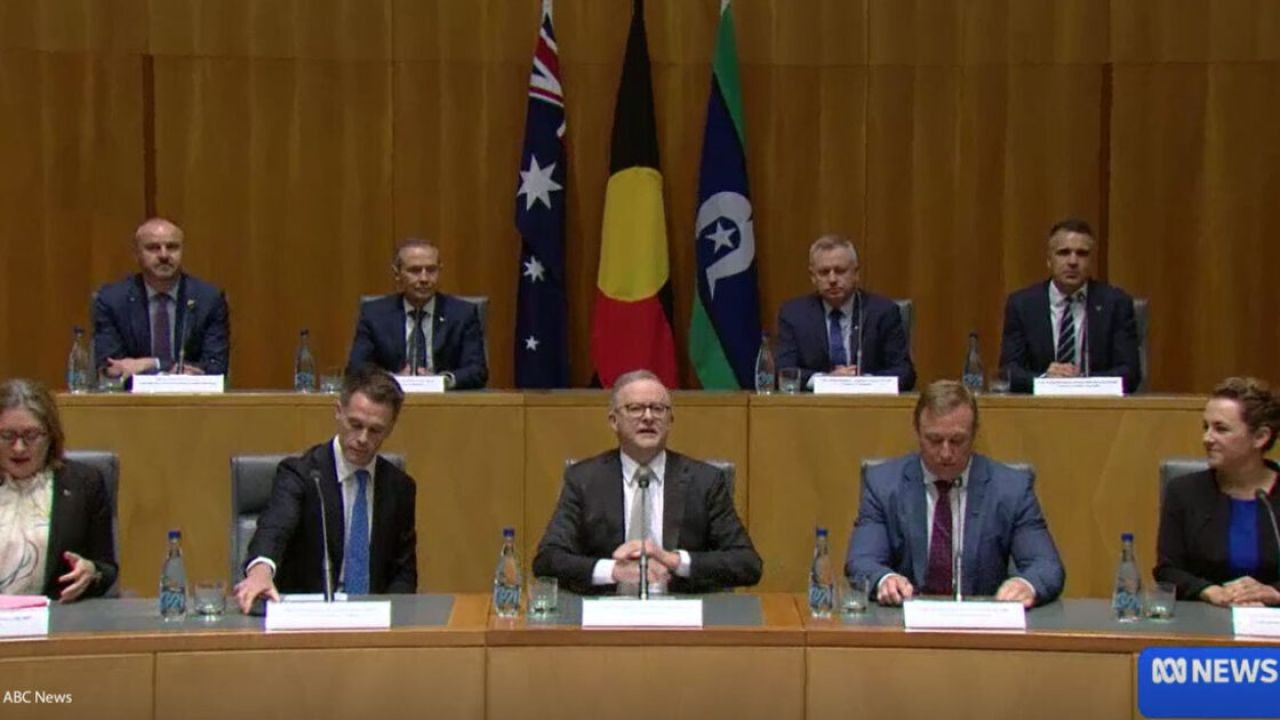





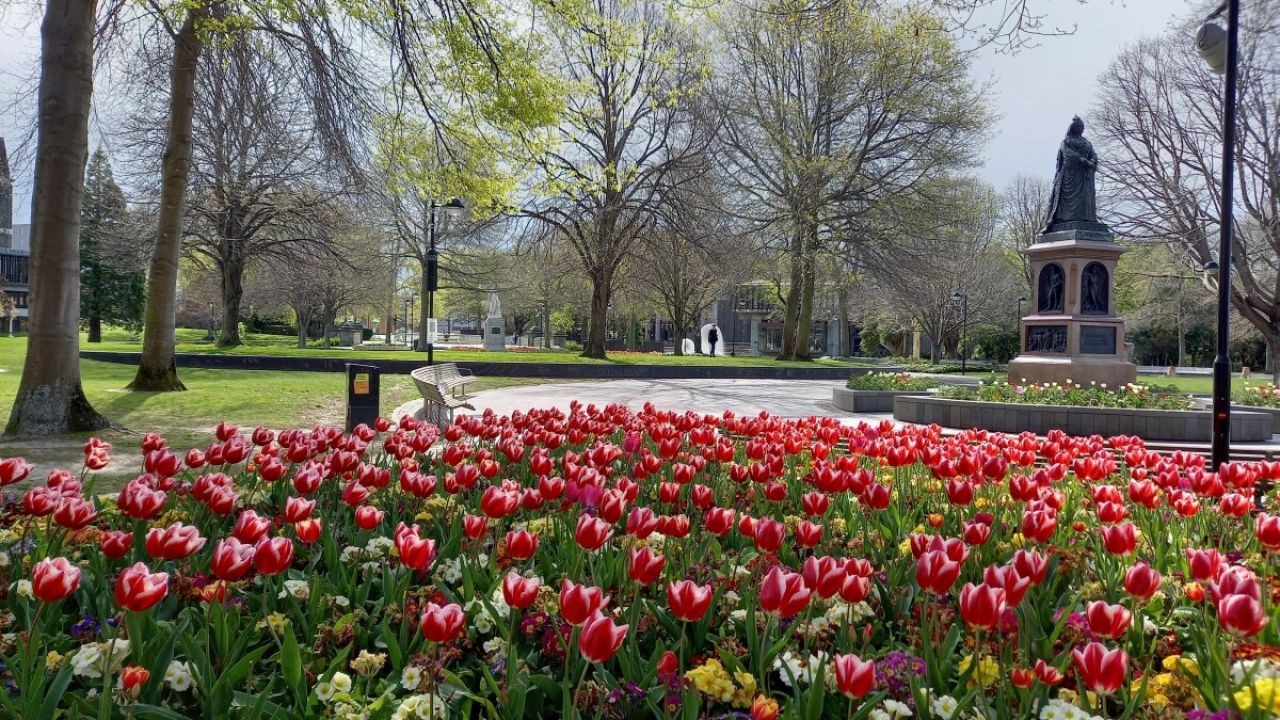
Australia's urban landscapes are ever-evolving, reflecting both economic ambitions and environmental responsibilities. However, the recent controversy surrounding the proposed Brisbane Arena highlights a recurring tension between development and sustainability. As the state seeks funds for Victoria Park, we delve into the implications and potential outcomes of this urban planning dilemma. What does this mean for Brisbane's environmental and economic future?
The Economic Context: Brisbane Arena vs. Victoria Park
At the heart of this debate is a financial conundrum. The Queensland government must decide whether to allocate funds to the Brisbane Arena or prioritize the development of Victoria Park. Both projects promise significant economic and social benefits, but their environmental impacts differ starkly.
According to a report by the Reserve Bank of Australia (RBA), infrastructure projects like the Brisbane Arena can boost local economies by creating jobs and attracting tourism. However, this comes at the potential cost of environmental degradation, especially if sustainable practices are not prioritized. Conversely, the transformation of Victoria Park into a green space aligns with Australia's national sustainability goals, as highlighted in the Australian Bureau of Statistics (ABS) report on urban green spaces and their role in enhancing urban resilience.
Case Study: Melbourne's Federation Square
Examining Melbourne's Federation Square provides valuable insights into the potential benefits and pitfalls of urban development. Initially met with public resistance due to its cost and impact on existing green spaces, Federation Square has since become a cultural and economic hub, attracting millions of visitors annually.
Problem: The project faced criticism over its environmental impact and cost overruns, similar to concerns about the Brisbane Arena.
Action: By incorporating sustainable design elements and prioritizing public access, the developers mitigated environmental concerns and enhanced social value.
Result: Federation Square now contributes significantly to Melbourne's economy, with an estimated annual economic impact of AUD 100 million.
Takeaway: Sustainable urban development can balance economic and environmental needs, but requires a clear commitment to green practices and public engagement.
Pros and Cons of the Brisbane Arena Project
Pros:
- Economic Boost: The arena is projected to generate significant economic activity, creating jobs and increasing tourism revenue.
- Cultural Impact: As a potential venue for major events, it could enhance Brisbane's cultural landscape and international profile.
- Infrastructure Development: New transport links and facilities could improve urban connectivity.
Cons:
- Environmental Concerns: Construction and increased traffic may exacerbate pollution and disrupt local ecosystems.
- Resource Allocation: Funding the arena could divert resources from other critical projects, such as green spaces.
- Public Opposition: Local communities might resist the project due to concerns over its environmental impact and cost.
Environmental Impact Assessment
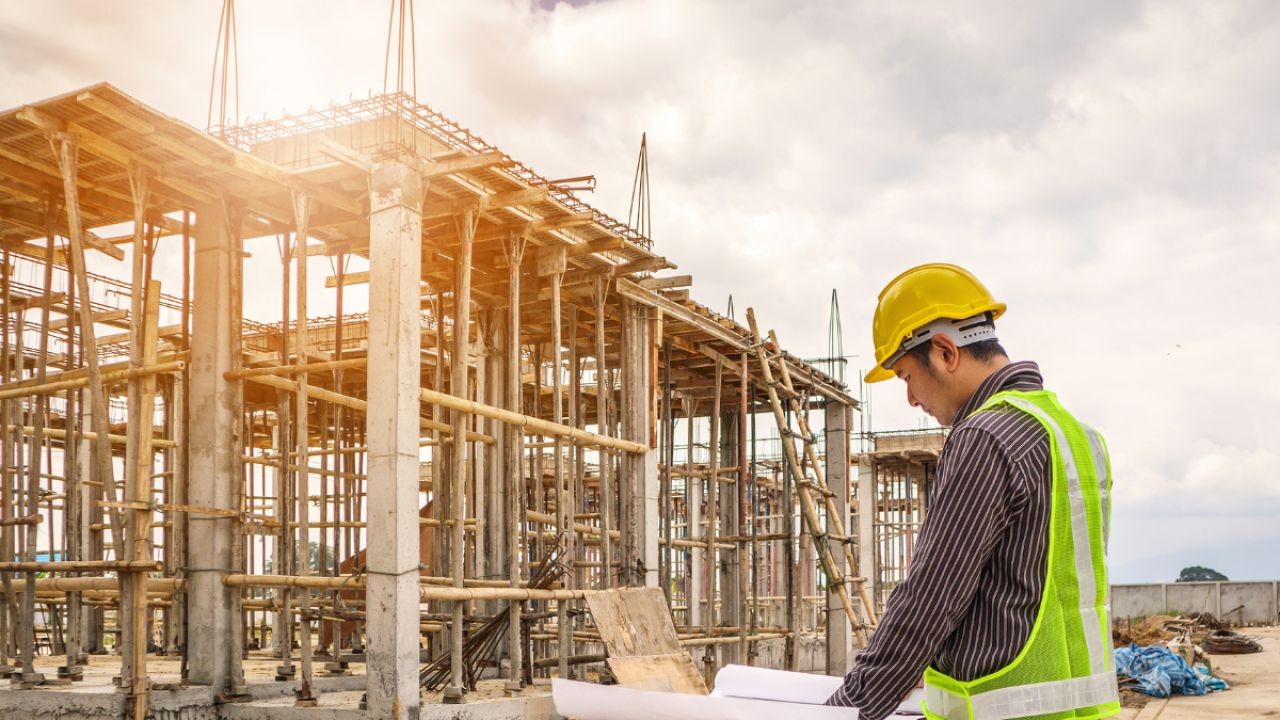
A critical aspect of the Brisbane Arena debate is its environmental impact. Construction projects of this scale pose significant challenges, from increased carbon emissions to potential biodiversity loss. An environmental impact assessment (EIA) is essential to identify these risks and propose mitigation strategies.
Recent data from the CSIRO emphasizes the importance of integrating green building practices to minimize environmental harm. Techniques such as carbon-neutral construction and the use of sustainable materials can significantly reduce the negative impacts of large-scale developments.
The Future of Urban Planning in Australia
Australia's urban planning landscape is at a crossroads. As cities like Brisbane continue to grow, balancing economic development with environmental sustainability is crucial. The decision between funding the Brisbane Arena or Victoria Park represents a broader question of priorities in urban development.
By 2030, it is anticipated that 50% of Australia's energy will be renewable, according to the Commonwealth Scientific and Industrial Research Organisation (CSIRO). This shift underscores the potential for sustainable urban planning to lead the way in future developments.
Lessons from International Examples
Globally, cities like Copenhagen and Amsterdam have successfully integrated sustainable practices into urban development. These cities prioritize green spaces and environmentally friendly infrastructure, setting benchmarks for Australian cities.
Comparison: While Brisbane faces challenges unique to its geography and economy, adopting similar sustainable practices can provide long-term benefits. Copenhagen's focus on cycling infrastructure and Amsterdam's green roofs are practical examples of sustainable urban development that Brisbane could emulate.
Common Myths and Misconceptions
- Myth: Large-scale developments are inherently unsustainable.
- Reality: With the right planning and technology, projects like the Brisbane Arena can incorporate sustainable practices and contribute positively to the environment.
- Myth: Green spaces do not generate economic value.
- Reality: Studies show that urban green spaces can increase property values and attract tourism, offering significant economic benefits.
Final Takeaways
- Environmental Prioritization: Urban projects must balance economic growth with environmental stewardship.
- Sustainable Practices: Integrating green technologies is essential for future-proofing urban developments.
- Community Engagement: Successful projects require transparent communication and involvement with local communities.
The decision surrounding the Brisbane Arena and Victoria Park will set a precedent for how Australia navigates the complex landscape of urban development. As stakeholders deliberate, the focus must remain on creating a sustainable future that benefits both the economy and the environment.
Related Search Queries
- Brisbane Arena development plans
- Victoria Park green space benefits
- Sustainable urban planning in Australia
- Economic impact of Brisbane Arena
- Environmental assessments for construction projects