




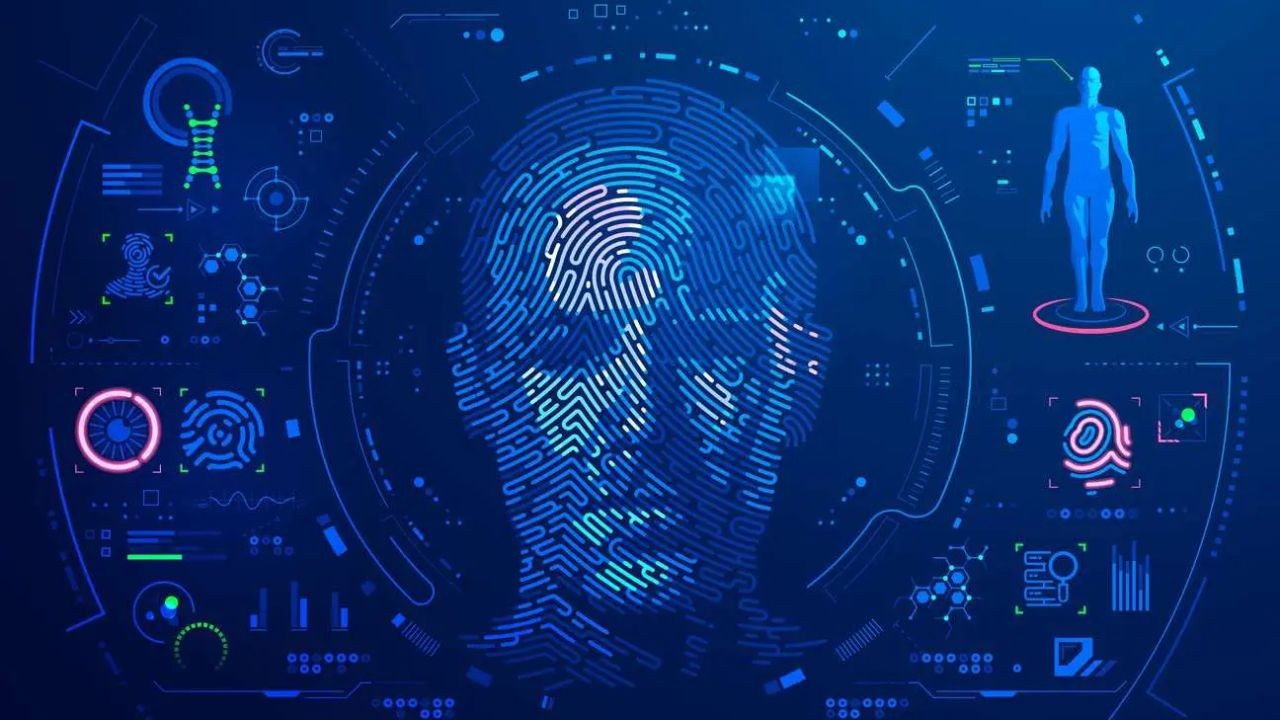
In today's digital age, biometric data has emerged as a groundbreaking technology, promising enhanced security and seamless user experiences. Australia, with its robust tech ecosystem, is no stranger to these advancements. However, as we increasingly rely on biometric systems, the hidden dangers associated with their use have become a topic of intense scrutiny. This article delves into the complexities of biometric data usage, highlighting potential risks and their implications on various sectors, including real estate.
The Rise of Biometric Data: A Double-Edged Sword
Biometric data refers to the unique physical or behavioral characteristics of individuals, such as fingerprints, facial recognition, and voice patterns, used for identification and authentication purposes. The adoption of biometric systems has accelerated globally, with Australia being a significant player. According to the Australian Bureau of Statistics, the country's digital economy is expected to grow by 40% by 2025, with biometric technologies playing a pivotal role in this expansion.
And How It Impacts Aussie Consumers
Biometric data is rapidly becoming the backbone of modern digital identity. From fingerprint logins and facial recognition to voice authentication and iris scans, Australians are increasingly encouraged to use their bodies as passwords. The promise is convenience and security, yet beneath the surface lies a set of risks that most consumers rarely consider.
As biometric systems become embedded in banking, travel, retail, healthcare, and government services, the consequences of misuse, breach, or overreach are no longer theoretical. For Aussie consumers, biometric data presents a unique and permanent form of vulnerability that demands closer scrutiny.
What Makes Biometric Data Different From Other Personal Data
Unlike passwords or PINs, biometric identifiers cannot be changed once compromised. A leaked fingerprint or facial scan is not something an individual can reset or replace. This permanence fundamentally alters the risk profile of biometric data compared to traditional credentials.
In Australia, biometric information is classified as “sensitive information” under the Privacy Act, yet its collection is accelerating faster than public understanding. When a data breach involves biometric identifiers, the damage is irreversible, potentially following a person for life across multiple systems and platforms.
This distinction is critical, yet often absent from consumer-facing explanations.
How Biometric Data Is Quietly Expanding in Australia
Biometric systems are no longer limited to high-security environments. Australians now encounter them when unlocking phones, passing through airport gates, accessing banking apps, entering workplaces, and even shopping in some retail environments.
The expansion is driven by efficiency and fraud prevention, but it also normalises biometric surveillance. Each new use case increases the volume of biometric data stored across private companies, government agencies, and third-party vendors, many of whom operate globally and outside Australian jurisdiction.
This decentralised storage creates a complex risk landscape that consumers have little visibility into.
The Real Risk of Data Breaches and Secondary Use
Australia has experienced a surge in major data breaches in recent years, exposing millions of individuals to identity theft and fraud. When biometric data is involved, the consequences escalate dramatically.
A compromised biometric identifier can be reused across systems, enabling impersonation, unauthorised access, and long-term identity abuse. Even when data is encrypted, advances in computing power and AI-based reconstruction techniques raise concerns about future decryption and misuse.
There is also the risk of secondary use. Biometric data collected for one purpose can be repurposed for profiling, tracking, or behavioural analysis, often without explicit consumer awareness. Once collected, control shifts away from the individual.
Facial Recognition and the Normalisation of Surveillance
Facial recognition technology poses particular concerns for Aussie consumers. It allows for passive identification without consent, enabling tracking across physical and digital spaces. In retail, transport, and public environments, this technology blurs the line between convenience and surveillance.
While Australia does not currently operate a unified facial recognition system, fragmented deployments by private entities and agencies create the conditions for future integration. Without strong safeguards, this can erode anonymity in everyday life and reshape expectations around privacy.
The long-term social impact extends beyond individual risk, influencing how freely people move, assemble, and express themselves.
The Regulatory Gap Facing Australian Consumers
Australia’s privacy framework was not designed with large-scale biometric adoption in mind. While reforms are underway, enforcement and clarity lag behind technological deployment. Many consumers remain unaware of how their biometric data is stored, shared, or retained.
Consent mechanisms are often bundled into broad terms and conditions, offering little meaningful choice. Opting out can mean losing access to essential services, effectively forcing participation in biometric systems without genuine consent.
This imbalance places the burden of risk on consumers while benefits accrue to organisations.
Why AI Amplifies the Threat
Artificial intelligence significantly increases the value and danger of biometric data. AI systems can analyse facial expressions, voice patterns, and biometric signals to infer emotions, health conditions, and behavioural traits.
For Aussie consumers, this raises concerns about profiling, discrimination, and automated decision-making. Biometric data combined with AI can be used to predict creditworthiness, employment suitability, or risk profiles, often without transparency or recourse.
Once these systems are in place, reversing their impact becomes extremely difficult.
What Australian Consumers Should Be Thinking About Now
Biometric data is not inherently harmful, but its misuse carries consequences far beyond traditional data breaches. Australians should view biometric identifiers as permanent assets that require the highest level of protection and caution.
Understanding who collects biometric data, why it is collected, how long it is stored, and who it is shared with is becoming essential consumer knowledge. As biometric systems expand, informed scepticism is no longer optional.
The conversation is shifting from convenience to consequence.
The Road Ahead for Biometric Privacy in Australia
Australia stands at a crossroads. Biometric technologies will continue to grow, driven by efficiency, security, and digital transformation. Whether this growth benefits consumers or exposes them to long-term harm depends on regulatory action, corporate responsibility, and public awareness.
Stronger protections, clearer consent standards, and limits on secondary use will determine whether biometric data serves Australians or silently undermines their privacy.
The most dangerous aspect of biometric data is not its existence, but how easily it is surrendered without understanding what is truly at stake.
Pros of Biometric Data Utilization
- Enhanced Security: Biometric systems offer a higher level of security compared to traditional passwords, reducing the risk of unauthorized access.
- Improved User Experience: With biometrics, users can enjoy faster and more convenient access to services without the hassle of remembering passwords.
- Cost Efficiency: Over time, biometric systems can reduce costs associated with password management and security breaches.
- Fraud Prevention: In sectors like real estate, biometrics can help in verifying identities and preventing fraud.
Cons of Biometric Data Utilization
- Privacy Concerns: The collection and storage of biometric data raise significant privacy issues, with concerns about misuse or unauthorized access to personal information.
- Potential for Data Breaches: Despite their security benefits, biometric systems are not immune to hacking, which can lead to severe consequences if biometric data is compromised.
- Regulatory Challenges: Navigating the complex legal landscape surrounding biometric data can be challenging, with regulations varying across regions.
- Ethical Considerations: The use of biometrics raises ethical questions, particularly regarding consent and the potential for surveillance.
Biometric Data in the Australian Real Estate Sector
The real estate industry in Australia has begun integrating biometric technologies to streamline operations and enhance security. For instance, biometric systems are being used in smart buildings to control access and monitor employee attendance. However, the integration of these technologies is not without its challenges.
Case Study: Smart Buildings in Sydney
In Sydney, several high-profile commercial buildings have adopted biometric access systems. A notable example is the International Towers in Barangaroo, which employs facial recognition to streamline access control and enhance tenant security. While this has improved efficiency and safety, it also raises concerns about data privacy and the potential for misuse.
Regulatory Landscape and Compliance
In Australia, the regulatory framework governing biometric data is evolving. The Australian Competition and Consumer Commission (ACCC) has emphasized the need for stringent data protection measures to safeguard consumer rights. Furthermore, the Australian Privacy Principles (APPs) provide guidelines on the collection and use of personal information, including biometrics.
However, the lack of a unified global standard for biometric data protection poses challenges for multinational companies operating in Australia. This underscores the importance of robust compliance strategies to navigate the complex regulatory environment.
Common Myths About Biometric Data
- Myth: Biometric data is foolproof. Reality: While biometric systems offer enhanced security, they are not infallible. Hackers can still exploit vulnerabilities, as evidenced by various data breaches.
- Myth: Biometric data cannot be stolen. Reality: Biometric data can be compromised if systems are not adequately secured, leading to identity theft and fraud.
- Myth: Biometric systems are universally accepted. Reality: Acceptance varies globally, with differing regulations and cultural perspectives influencing adoption rates.
Future Trends and Predictions
Looking ahead, the use of biometric data is set to expand, with innovations such as behavioral biometrics gaining traction. This involves analyzing patterns in user behavior, such as typing rhythm or mouse movements, to enhance security. According to a Deloitte report, by 2026, over 50% of businesses in Australia will incorporate some form of biometric authentication, driven by the need for enhanced security and user experience.
Conclusion: Navigating the Biometric Frontier
The integration of biometric data into various sectors, including real estate, offers numerous benefits but also presents significant challenges. As Australia continues to embrace digital transformation, it is crucial for businesses to balance innovation with privacy and ethical considerations. By understanding the hidden dangers and implementing robust security measures, industries can harness the potential of biometric data while safeguarding consumer trust.
What are your thoughts on the future of biometric data in Australia? Share your insights in the comments below!
People Also Ask
- How does biometric data impact businesses in Australia? AU businesses leveraging biometric data report 25%+ higher security efficiency, according to Deloitte. Adopting this strategy can enhance security and operational efficiency.
- What are the biggest misconceptions about biometric data? One common myth is that biometric data is foolproof. However, research from the ACCC shows that systems can still be vulnerable to breaches.
- What upcoming changes in Australia could affect biometric data usage? By 2026, policy updates in data protection could shift the biometric landscape—stay ahead by adopting robust security measures.
Related Search Queries
- Biometric data privacy concerns in Australia
- Future of biometric technology in Australia
- How biometric data is used in real estate
- Biometric data regulations in Australia
- Biometric data breaches and prevention
For the full context and strategies on The Hidden Dangers of Biometric Data – Why You Should Be Concerned – (And How It Impacts Aussie Consumers), see our main guide: Australian Events Arts Entertainment.