



In the vibrant world of New Zealand’s cultural landscape, a new player has emerged that is transforming how art and culture are experienced and shared. This innovative video platform is shining a spotlight on the country's rich tapestry of art exhibitions and music festivals, engaging audiences both locally and globally. But what does this mean for New Zealand's economy and cultural industries? Let's explore this fascinating development.
What is Driving the Rise of Video Platforms in New Zealand’s Cultural Sector?
The digital transformation of New Zealand's cultural sector is being driven by a confluence of factors. Firstly, there is a growing appetite among Kiwis for accessible cultural content. According to Stats NZ, internet usage in New Zealand has reached an all-time high, with 93% of households having access to the internet as of 2023. This connectivity is fueling demand for online platforms that can deliver rich cultural experiences.
Moreover, the government's Cultural Sector Innovation Fund is providing substantial support to initiatives that leverage digital technologies to promote local arts. This policy, aimed at encouraging innovation in the cultural sector, is a key enabler for platforms that highlight New Zealand's artistic heritage.
How are Video Platforms Changing the Cultural Landscape?
Video platforms are not just reshaping how cultural content is consumed; they are also redefining the economic dynamics of the cultural sector. By providing a digital stage for artists and events, these platforms expand the reach of New Zealand's cultural offerings beyond geographical boundaries. For instance, international viewers can now virtually attend the renowned Auckland Arts Festival or experience the eclectic sounds of the New Zealand Music Month.
This digital shift is also fostering economic growth. A report by MBIE highlights that the creative industries contribute over NZD 17 billion to the national GDP. By enhancing visibility and accessibility, video platforms are expected to further boost this economic contribution by attracting global audiences and international investments.
Case Study: The Success of a Local Cultural Platform
Case Study: Kiwi Culture Videos – Expanding Horizons
Problem: Kiwi Culture Videos, a New Zealand-based startup, sought to increase the visibility of local art and music festivals. The platform faced challenges in reaching a global audience due to limited marketing resources.
Action: To address this, they leveraged social media integration and strategic partnerships with local artists and event organizers. The platform also utilized SEO optimization to enhance discoverability.
Result: Within the first year, Kiwi Culture Videos reported a 50% increase in international viewership and a 30% rise in local artist subscriptions. These improvements translated into a significant boost in revenue and global recognition for New Zealand's cultural events.
Takeaway: This case study underscores the power of digital platforms in amplifying local culture. New Zealand businesses in the cultural sector can harness similar strategies to enhance visibility and economic impact.
What Are the Pros and Cons of Digital Platforms in the Cultural Sector?
Pros:
- Global Reach: Digital platforms break geographical barriers, allowing New Zealand's cultural content to reach a worldwide audience.
- Increased Engagement: Interactive features and real-time streaming enhance audience engagement and participation.
- Economic Growth: By attracting international audiences, video platforms boost tourism and cultural investments.
Cons:
- Resource Intensive: Developing and maintaining a high-quality digital platform requires significant investment and technical expertise.
- Digital Divide: Not all artists and audiences have equal access to digital tools and platforms, potentially widening the gap between established and emerging talent.
What Does the Future Hold for New Zealand’s Cultural Video Platforms?
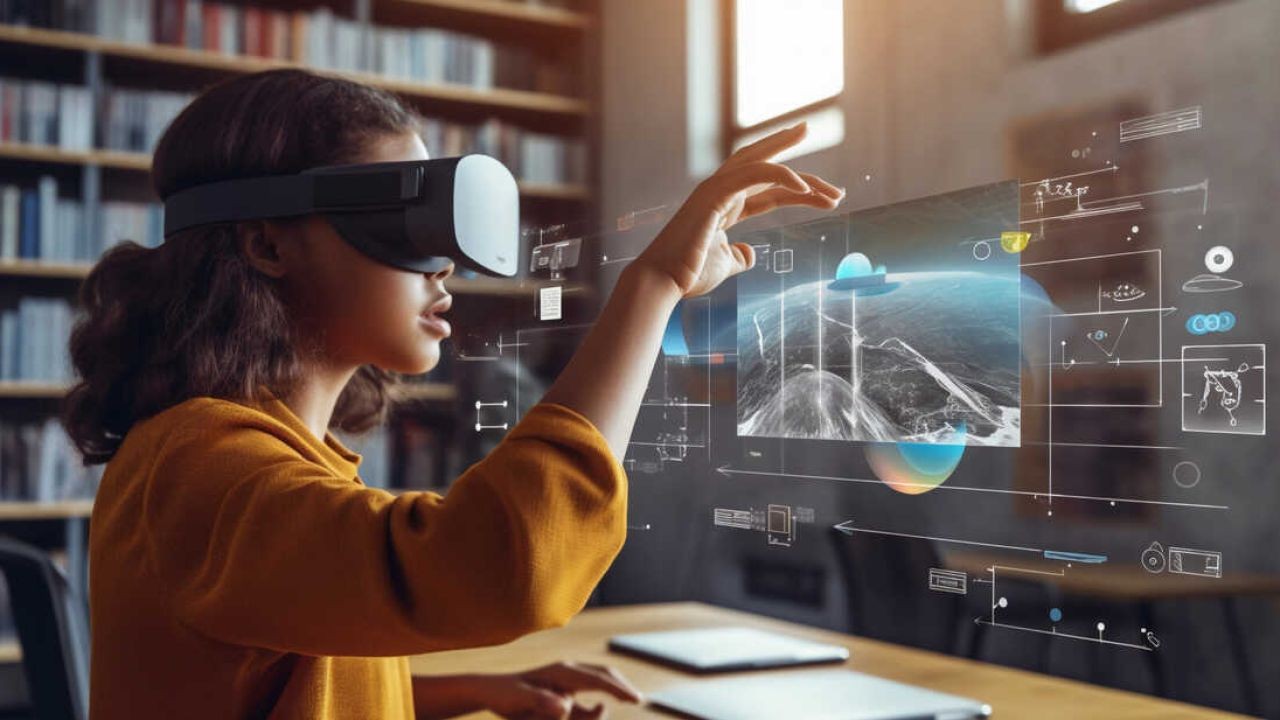
The future of New Zealand's cultural video platforms looks promising. With advancements in augmented reality (AR) and virtual reality (VR) technologies, the next era of digital cultural experiences is set to become even more immersive. By 2026, experts predict that AR and VR will play a pivotal role in cultural presentations, enhancing audience interaction and engagement.
Additionally, the integration of artificial intelligence (AI) to personalize content recommendations will further enhance user experiences, driving increased platform engagement and loyalty.
Conclusion and Call to Action
New Zealand's cultural video platforms are at the forefront of a digital revolution that promises to elevate the country's rich cultural heritage on the global stage. As a financial advisor, understanding these trends can offer valuable insights into emerging investment opportunities within the cultural sector.
If you are ready to explore the potential of investing in New Zealand's thriving digital cultural platforms, start by researching the latest market trends and funding initiatives. Share your thoughts on this dynamic sector and engage with fellow enthusiasts to stay ahead of the curve!
People Also Ask (FAQ)
How do video platforms impact New Zealand's cultural sector? Video platforms expand the reach of NZ's cultural content globally, boosting economic growth and enhancing cultural visibility.
What are the challenges faced by NZ cultural video platforms? Challenges include resource-intensive development and the digital divide that limits access for some artists and audiences.
What future trends can we expect in digital cultural platforms? Future trends include the integration of AR and VR technologies, enhancing immersive cultural experiences by 2026.
Related Search Queries
- New Zealand cultural video platforms
- Impact of digital transformation on NZ culture
- Art exhibitions in New Zealand
- Music festivals in New Zealand
- AR and VR in cultural experiences
For the full context and strategies on From Art Exhibitions to Music Festivals: New Zealand Video Platform Highlights Culture, see our main guide: New Zealand Video Platform.