





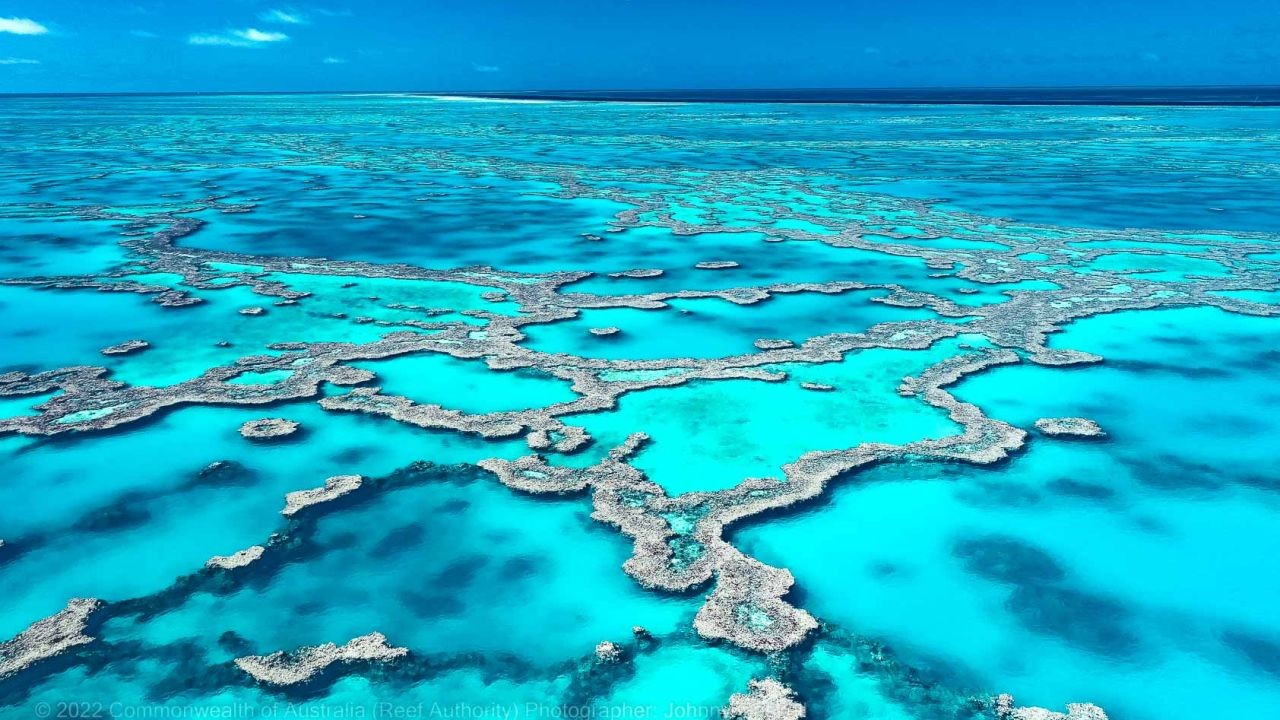
The Great Barrier Reef is an iconic symbol of Australia's natural heritage and a critical asset to its economy. However, its survival is increasingly under threat, prompting urgent calls for stronger protective measures. To understand the present situation, we must consider the past, link it to current trends, and explore why Australia must do more to safeguard this ecological treasure.
The Historical Significance of the Great Barrier Reef
The Great Barrier Reef, stretching over 2,300 kilometers, is the world's largest coral reef system and has been a UNESCO World Heritage site since 1981. Historically, the reef has been a cornerstone of Australia's tourism industry, attracting millions of visitors annually. According to the Great Barrier Reef Marine Park Authority, this influx contributes approximately AUD 6.4 billion each year to the Australian economy and supports over 64,000 jobs, primarily in tourism and fishing sectors.
Environmental Challenges Over Time
Historically, challenges such as coral bleaching, caused by rising sea temperatures, have plagued the reef. Reports indicate that the 1998 and 2002 mass bleaching events affected over 50% of the reef, showcasing the significant impact of climate change. Overfishing and coastal development have also contributed to the degradation of this ecosystem. These issues have only intensified in recent decades, necessitating more comprehensive protective measures.
Current Trends and Threats
In recent years, the Great Barrier Reef has faced unprecedented threats. The Australian Institute of Marine Science reported that in 2022, the reef experienced its sixth mass bleaching event, a stark reminder of the escalating climate crisis. Beyond bleaching, the reef is also threatened by poor water quality, primarily due to agricultural runoff and sedimentation, which smothers corals and disrupts marine life.
Regulatory and Economic Factors
Australia's economic policies and regulatory frameworks significantly influence the protection of the Great Barrier Reef. The Australian Competition & Consumer Commission (ACCC) has highlighted the need for stringent environmental regulations to mitigate industrial impacts on the reef. However, balancing economic growth with environmental protection remains a contentious issue. For instance, the mining sector, a major economic driver, poses potential risks to the reef through increased carbon emissions and potential water pollution.
7 Reasons Why Immediate Action is Crucial
- Economic Dependency: The reef is a vital economic asset, contributing significantly to tourism and local economies. Protecting it ensures sustained economic benefits.
- Biodiversity Conservation: The reef supports a diverse range of marine life. Its destruction would mean the loss of countless species, impacting global biodiversity.
- Climate Change Mitigation: Healthy coral reefs act as carbon sinks. Protecting the Great Barrier Reef supports Australia's climate change mitigation efforts.
- Global Reputation: As a global biodiversity hotspot, the reef's degradation would damage Australia's international environmental standing.
- Cultural Significance: Indigenous communities have deep cultural ties to the reef. Protecting it honors these cultural connections.
- Scientific Research: The reef is a living laboratory, offering invaluable insights for scientific research. Its preservation is crucial for ongoing study and innovation.
- Long-Term Economic Security: Investing in reef protection is an investment in Australia’s long-term economic stability and resilience against environmental changes.
Case Study: The Impact of Coral Bleaching on the Tourism Industry
The 2016 and 2017 coral bleaching events severely affected tourism operators in Queensland. The loss of vibrant coral led to a 10% reduction in visitor numbers, according to the Queensland Tourism Industry Council. Operators like Quicksilver Cruises had to adapt by diversifying their tours to less affected areas and investing in educational programs to inform tourists about conservation efforts.
Despite these adaptations, the economic impact was palpable, reiterating the need for proactive measures to protect the reef and the industries reliant on it.
Comparative Analysis: Global Reef Protection Efforts
Globally, countries like Belize have implemented successful reef protection strategies. Belize's government passed legislation to ban offshore oil exploration, significantly reducing environmental risks to its barrier reef. Australia could adopt similar measures by enforcing stricter regulations on coastal development and reducing agricultural runoff.
Furthermore, the integration of cutting-edge technologies, such as AI and satellite monitoring, could enhance the effectiveness of reef management practices. These technologies can provide real-time data on reef health, enabling timely interventions.
Future Predictions and the Role of Policy
Looking forward, the role of policy in reef preservation cannot be overstated. The Australian government must commit to more ambitious climate targets to curb the root causes of coral bleaching. According to the Australian Bureau of Statistics, if current trends continue, the reef could face annual bleaching events by 2050, severely threatening its survival.
In the next decade, the integration of sustainable practices in industries like agriculture and mining will be pivotal. By adopting a holistic approach to environmental management, Australia can set a global precedent for reef conservation.
Conclusion: A Call to Action
The Great Barrier Reef is not only a natural wonder but also a vital economic and cultural resource for Australia. Protecting it requires a concerted effort from government, industry, and communities. By implementing stronger protective measures, Australia can safeguard this irreplaceable asset for future generations.
What are your thoughts on the current efforts to protect the Great Barrier Reef? Share your insights and join the conversation on how we can collectively contribute to its preservation.
People Also Ask
- How does the Great Barrier Reef impact Australia's economy? The reef contributes approximately AUD 6.4 billion annually, supporting over 64,000 jobs primarily in tourism and fishing sectors.
- What are the biggest misconceptions about the Great Barrier Reef? A common myth is that the reef's degradation is solely due to natural causes. However, human activities like carbon emissions and agricultural runoff play significant roles.
- What strategies can be implemented to protect the Great Barrier Reef? Strategies include enforcing stricter regulations on coastal development, reducing agricultural runoff, and integrating technologies like AI for real-time monitoring.
Related Search Queries
- Great Barrier Reef conservation efforts
- Impact of climate change on coral reefs
- Australia's environmental policies
- Coral bleaching events in the Great Barrier Reef
- Economic impact of the Great Barrier Reef
- Global reef protection strategies
- Future of the Great Barrier Reef
- Australian tourism and the Great Barrier Reef
- Technological innovations in reef conservation
- Indigenous cultural ties to the Great Barrier Reef