


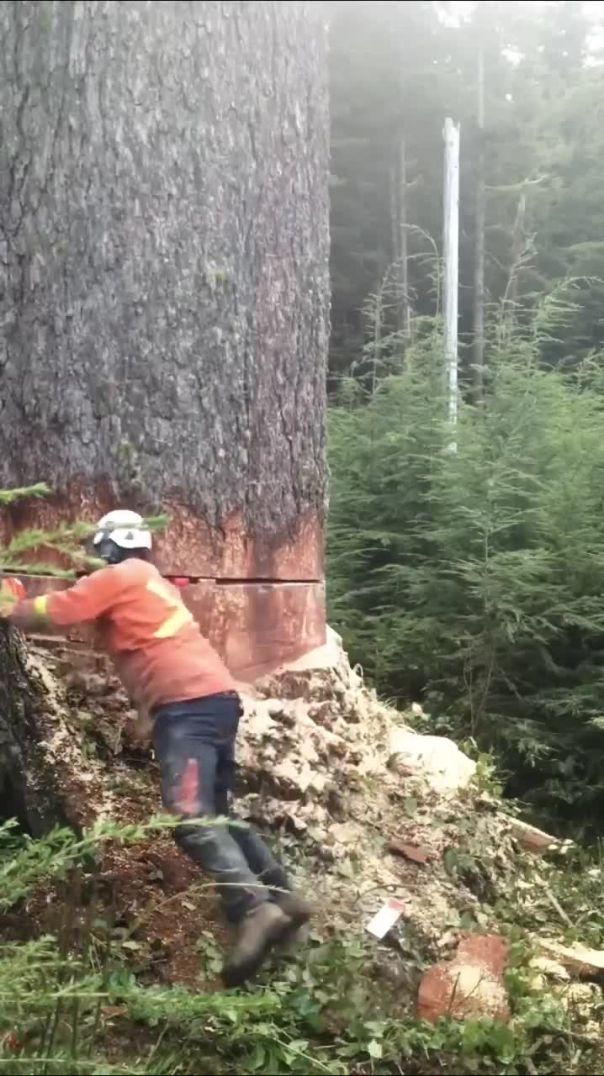

In the heart of rural New Zealand, far from the glass towers of Auckland or the tourist bustle of Queenstown, a quiet and devastating economy thrives. Methamphetamine — or “P” — has seeped into towns where the factory jobs closed decades ago, the forestry contracts dried up, and the only cashflow left is criminal.
For some, it’s a poison eroding families, health, and futures. For others, it’s the only reliable income in a place where legitimate work is scarce and welfare is barely enough to cover rent. The meth trade has become both a curse and a crutch — an illicit economy that keeps small-town shops open, landlords paid, and pockets fed, even as it destroys the very communities it sustains.
The tragedy is compounded by the fact that escape is nearly impossible. With rehab centres hours away, underfunded, and overloaded, those who want to quit often find the support they need is simply out of reach. And so the cycle continues: addiction feeds the market, the market feeds the economy, and the economy keeps addiction alive.
This is the hidden reality of the meth economy in rural Aotearoa — where selling poison has become one of the few jobs left.
1. The Double-Edged Blade of the Meth Economy
In many small towns across Aotearoa, methamphetamine — known locally as “P” — isn’t just a drug problem. It’s an economic system.
On one side of the blade, meth tears through families, fuels violent crime, and traps users in cycles of addiction that seem impossible to escape. On the other side, it injects desperately needed cash into rural economies that have been hollowed out by decades of job losses, industry closures, and urban migration. The same dollar that funds a bag of P may also pay for a tank of petrol, a loaf of bread from the Four Square, or the overdue rent on a cold rental unit.
In towns where the last sawmill shut down years ago and tourism never took off, the meth trade has filled the vacuum left by legitimate work. For some, it’s the only reliable income stream in a place where WINZ payments barely cover the basics and “help wanted” signs have long disappeared from shop windows.
This uneasy coexistence — where the very substance tearing communities apart is also keeping them afloat — creates a moral and social paradox. Locals know meth is killing their whānau, but they also know it’s paying the bills.
This is the hidden truth of the meth economy in rural New Zealand: an underground market so deeply embedded that dismantling it means confronting not just crime, but the economic abandonment of entire towns. Until then, the blade keeps cutting — in both directions.
2. How Rural Economies Collapsed — and Left a Gap for Meth
To understand why methamphetamine has become such a dominant force in small-town New Zealand, you have to look at what came before — and what was lost.
From the 1950s through the 1980s, many rural towns thrived on a backbone of stable, often unionised jobs. Forestry camps roared with the sound of chainsaws, freezing works ran day and night, and the rail yards bustled with freight. Wages might not have been high, but they were steady, and those pay packets kept families fed, sports clubs running, and local businesses alive.
Then came the 1980s and early 1990s — a period of rapid economic restructuring often referred to as “Rogernomics.” Factories closed. Rail lines were cut back. The forestry sector shed thousands of jobs as mechanisation replaced manual labour. Many towns lost their biggest — sometimes their only — major employer.
Urban migration accelerated. Young people left for Hamilton, Auckland, Wellington, or overseas, chasing work that no longer existed at home. Those who stayed behind faced rising unemployment, shrinking council budgets, and a slow erosion of community services. In some areas, public housing stock aged into disrepair, while private rentals became overcrowded and damp.
Tourism was touted as a potential saviour for some towns, but not every rural centre had geothermal pools, ski slopes, or Hobbiton-style attractions to draw crowds. For many places, there simply wasn’t a “next industry” to replace the one that had collapsed.
Into this vacuum stepped the meth trade. Unlike legal businesses, it required no consent from the council, no overseas investors, and no tourist brochures. It didn’t matter if your town had a decaying main street and an unemployment rate twice the national average — meth money could flow anywhere.
And in communities starved of cash and hope, it did.
3. The Mechanics of the Meth Trade in Small-Town NZ
The meth economy in rural New Zealand doesn’t operate like the large-scale gang empires depicted in TV dramas. It’s often far more decentralised — and deeply embedded in everyday life.
1. Supply Lines from the Cities
Most meth entering rural areas originates in major urban hubs like Auckland and Hamilton, either smuggled into the country through ports and airports or cooked in clandestine labs. From there, it moves along well-worn supply routes via cars, vans, and sometimes even couriers who don’t know the true contents of their cargo.
2. Local Distribution Networks
In small towns, distribution isn’t always in the hands of patched gang members. It can be neighbours, relatives, or former workmates who’ve found that moving a few grams a week can cover their bills. This makes the trade harder to police — because dealers are often ordinary faces in the community, not outsiders.
3. Credit Systems (“Tick”)
One reason meth takes such a deep hold is the widespread use of “tick” — drugs sold on credit. A user who’s broke on Monday can get a supply, use it, and pay the dealer back after payday or benefit day. This creates an endless cycle of debt and dependency, locking both user and dealer into ongoing transactions.
4. Economic Spillover
The cash from meth doesn’t just disappear into criminal accounts. It flows through the town — spent at local dairies, petrol stations, takeaway shops, and even on school fees. Ironically, this “dirty money” props up businesses that might otherwise close.
5. Fear and Silence
Meth thrives where law enforcement is stretched thin and where speaking up could mean social isolation — or worse. In small towns, everyone knows everyone, and that includes who’s supplying and who’s using. Fear of retaliation keeps many quiet, allowing the trade to flourish with minimal disruption.
Meth’s grip on these communities is sustained not just by addiction, but by the fact that it’s an economic engine in places where legal engines have stalled.
4. The Social Toll: Families, Whānau, and the Next Generation
While meth may inject quick cash into struggling towns, the human cost is staggering — and it’s paid in broken families, fractured whānau, and lost futures.
Addiction as a Family Disease
Meth doesn’t just consume the user; it pulls in everyone around them. Partners become co-dependent, parents drain savings trying to help their addicted children, and grandparents step in to raise tamariki when parents are too deep in the cycle. It’s not unusual for entire households to be caught in a web of use, debt, and mistrust.
Violence and Instability
The intense highs and inevitable crashes from meth use often lead to volatile behaviour — violent outbursts, paranoia, and emotional instability. Domestic violence callouts linked to meth have skyrocketed in some regions, stretching already thin police and social services.
Neglect and Child Welfare
For children, the effects are devastating. In meth-affected households, food may be scarce, school attendance sporadic, and basic safety uncertain. Social workers report cases of toddlers left unsupervised, or older children forced into adult roles far too young. The meth trade doesn’t just create new addicts — it raises them.
Whānau Bonds Under Strain
Māori whānau in rural areas often carry the heaviest burden, as intergenerational poverty combines with the pressures of the meth economy. The marae, once a hub of community life, can become a place where whispers of addiction and debt travel faster than calls to come together.
Generational Impact
Children growing up in meth-saturated communities often see the trade as normal — even aspirational. If legitimate work is scarce and dealing is the only visible path to income, the cycle repeats, embedding the drug economy deeper into the town’s fabric.
The social fallout doesn’t just weaken families; it weakens the community’s ability to imagine — and build — a life without meth.
5. Why Rehab Is Out of Reach in Rural NZ
In many rural towns, breaking free from meth isn’t just a matter of willpower — it’s a logistical and financial nightmare. Even for those desperate to quit, the system is stacked against them.
Scarcity of Local Services
In vast parts of rural Aotearoa, there are no dedicated addiction treatment centres within a reasonable driving distance. The nearest rehab facility might be hours away, requiring time, money, and reliable transport — luxuries many people in the meth economy simply don’t have.
Long Waitlists, Short Windows of Readiness
When someone finally decides they want to get clean, there’s often a small “window” where they’re truly ready. In many cases, they’re told to wait weeks or even months for a spot in rehab. By the time it’s available, the motivation may be gone — replaced by relapse.
Cost Barriers
While some addiction services are publicly funded, others require fees that can be prohibitive. For someone whose only income is from selling meth or doing cash jobs, the idea of paying thousands for rehab is a non-starter.
Fear of Exposure
Small-town life makes privacy nearly impossible. Seeking help means risking exposure to neighbours, employers, or even the very dealers you’re trying to escape. That social pressure can keep people from walking through the door of a counselling service — if one even exists nearby.
Aftercare and Relapse Risks
Even for those who do make it through treatment, going straight back to the same small town means being surrounded by the same dealers, debts, and triggers. Without robust aftercare and safe housing options, relapse is tragically common.
The cruel irony is that meth treatment is most needed in rural NZ — and yet it’s precisely where help is hardest to find.
6. How the Meth Economy Props Up Struggling Towns
It’s the truth nobody wants to say out loud: in some rural New Zealand towns, meth isn’t just an illegal drug — it’s a shadow economy keeping the lights on.
Cash Flow in a Cash-Strapped Town
When legal industries collapse — be it forestry, manufacturing, or farming — communities lose not just jobs, but the steady flow of money that kept local businesses alive. Meth dealing fills that gap with untracked, untaxed cash. Dealers buy groceries, fuel, and supplies locally, injecting much-needed spending into towns where EFTPOS terminals often sit idle.
Keeping Shops and Landlords Paid
Some small retailers quietly admit that a portion of their customer base pays with “meth money.” Likewise, landlords in struggling areas often rely on tenants whose rent comes indirectly from the drug trade — whether through dealing or partners who are part of the network.
A Parallel Job Market
In places with no formal employment options, the meth trade acts like an underground job market. From cooking to distribution to lookouts, it creates a range of roles with pay far above minimum wage — at least in the short term. For people with criminal records or no formal qualifications, it’s often the only way to earn a living wage.
A Distorted Local Economy
The problem is that this isn’t real economic growth — it’s extraction. Meth drains wealth from the community into the hands of higher-level suppliers, often linked to organised crime groups in larger cities. It’s a boom-and-bust model built on addiction, not sustainability.
Why Nobody Speaks Up
Local leaders often avoid publicly acknowledging the meth economy’s role in keeping towns afloat, fearing it will harm tourism, property values, or community morale. But this silence only allows the drug economy to become further entrenched.
The meth economy is both a lifeline and a noose — sustaining communities in the short term while slowly tightening the grip of poverty and dependence.
7. The Role of Organised Crime in Rural Meth Supply
While the meth trade in rural New Zealand may feel local — familiar faces in familiar places — the reality is that it’s part of a much larger machine. Behind the small-town dealer is often a pipeline run by organised crime syndicates with reach far beyond the district’s borders.
From Ports to Paddocks
Most meth in New Zealand originates overseas, smuggled in through ports, airports, or hidden in freight shipments. Large-scale importation is typically controlled by transnational criminal organisations, including Asian triads, outlaw motorcycle gangs, and other syndicates. Once in the country, the drug is moved inland via established distribution networks, eventually trickling down to rural dealers.
Rural Towns as ‘Safe Markets’
Organised crime groups see rural NZ as fertile ground — fewer police resources, close-knit communities that are reluctant to inform, and a steady market with high retail prices. A gram of meth in a small town can sell for far more than in urban centres, making it a lucrative endpoint for distribution chains.
Debt, Violence, and Control
Local dealers often operate on credit extended by higher-level suppliers, creating a chain of debt that keeps them tied to the network. When payments are late, enforcement can be brutal — theft, intimidation, and even arson are used to send a message. These acts may be framed as “local disputes,” but in reality, they’re part of a system of control maintained by gangs and syndicates.
Money Laundering in Plain Sight
Profits from rural meth sales don’t just vanish into the shadows — they’re often funnelled back into “legitimate” businesses like second-hand shops, tow yards, or car dealerships, which serve as fronts for money laundering. This further blurs the line between the illegal and legal economy in struggling communities.
The Cost of Connection
This deep connection to organised crime means rural meth problems can’t be solved solely at a local level. Even if a small-town dealer is taken down, the supply chain remains intact, and someone else will quickly fill the gap. The root of the problem lies in networks that stretch across cities, borders, and oceans.
8. The Ripple Effect — Families, Schools, and the Next Generation
Meth doesn’t just destroy individual lives — it sends shockwaves through families, classrooms, and entire generations. In small towns, those ripples travel fast and far, leaving few untouched.
Parenting Under the Influence
When caregivers are addicted, household stability collapses. Food becomes scarce, bills go unpaid, and neglect becomes normalised. Some children are forced into adult roles early — cooking meals, getting younger siblings ready for school, or even dealing meth themselves to keep the family afloat.
Schools on the Frontline
Teachers in rural New Zealand increasingly find themselves acting as social workers and crisis managers. Students arrive hungry, tired, or visibly traumatised. Meth’s presence in the home often translates into erratic attendance, behavioural problems, and learning gaps that follow children for years.
Some schools even keep spare uniforms and food supplies on hand, quietly compensating for what’s missing at home.
Normalising the Drug Economy
In towns where meth money visibly supports households, children grow up seeing it as just another job — not a crime. When the dealer down the road drives the nicest car in town while “straight” workers scrape by, the message is clear: crime pays, and sometimes it’s the only thing that does.
Generational Cycles of Addiction
Exposure to meth at an early age makes children more vulnerable to using later in life. Addiction, criminal records, and limited education feed into a loop that traps families in poverty and dependence for decades.
Community Desensitisation
Over time, small communities can become numb to the harm. Police raids, emergency callouts, and public scandals lose their shock value. Meth becomes part of the town’s social landscape — not an emergency, but an expectation.
This is the hidden cost of the meth economy: not just broken users, but a broken future for the next generation.
9. Why Rehab Is Out of Reach for Rural Communities
For many caught in the meth economy, the desire to quit clashes harshly with the reality of treatment scarcity. In rural New Zealand, access to effective rehab is limited by geography, resources, and social stigma, creating almost insurmountable barriers to recovery.
Geographic Isolation and Transport Barriers
Rehabilitation centres are often located in larger cities like Auckland, Wellington, or Christchurch, hours away from small towns. Many struggling individuals lack reliable transportation or the funds to travel regularly, making consistent attendance nearly impossible.
Long Waitlists and Limited Capacity
Even when people manage to seek help, they face lengthy waitlists for both detoxification and ongoing treatment programs. These delays often result in missed opportunities, as motivation to change fluctuates and withdrawal symptoms worsen without professional support.
Financial and Systemic Challenges
While some government-funded options exist, not all services are free or fully accessible. Costs related to travel, accommodation, and time off work add layers of complexity. Additionally, underfunded rural health services struggle to provide culturally appropriate care, especially for Māori and Pasifika communities.
Social Stigma and Privacy Concerns
In tight-knit rural communities, seeking help can feel like exposing oneself to judgement or gossip. Fear of community backlash discourages many from accessing local services, particularly when confidentiality cannot be guaranteed.
Lack of Aftercare and Support Networks
Recovery doesn’t end with rehab. Without strong aftercare programs or safe housing alternatives, many relapse upon returning to the same environments that enabled their addiction. Rural areas often lack peer support groups and ongoing counselling tailored to local realities.
The gaps in rural rehab infrastructure reinforce the meth cycle, trapping individuals and communities in persistent hardship.
10. Breaking the Cycle — What Needs to Change to Heal Rural NZ
The meth economy in small-town New Zealand is a complex web of hardship, survival, and despair. To truly heal these communities, solutions must go beyond enforcement and address the root causes: economic abandonment, lack of support, and social stigma.
1. Invest in Local Employment Opportunities
Creating sustainable jobs in rural areas is critical. Revitalising industries like forestry, agriculture, and eco-tourism — combined with new sectors such as digital work hubs — can offer alternatives to the drug trade.
2. Expand and Decentralise Rehab Services
Bringing addiction treatment closer to rural communities is essential. Mobile clinics, telehealth counselling, and community-based programmes designed with Māori and Pasifika cultural values can increase access and effectiveness.
3. Strengthen Whānau and Community Support
Recovery works best when families and communities are involved. Investing in whānau-centred programmes, peer support networks, and local education can help prevent addiction and promote resilience.
4. Improve Law Enforcement with a Community Focus
While policing remains important, strategies must balance enforcement with social services. More resources for rural police, combined with community-led initiatives, can reduce harm without alienating residents.
5. Promote Open Dialogue and Reduce Stigma
Breaking silence around addiction encourages people to seek help. Public education campaigns and trusted local voices can foster understanding and compassion.
The Bottom Line
When the only job left is selling poison, the entire community suffers. But with coordinated action, investment, and empathy, rural New Zealand can break free from the meth economy’s grip and build healthier, safer futures for all.
Conclusion
The meth economy in rural New Zealand is more than just a crime issue — it’s a symptom of deep economic and social neglect. For many small towns, methamphetamine trade has become an uneasy lifeline, simultaneously sustaining and destroying communities. Families are torn apart, futures stolen, and hopes dimmed, while a lack of accessible rehab and meaningful jobs keeps the cycle turning.
Breaking this cycle demands more than policing — it requires bold investment in rural economies, culturally responsive health services, and community-led solutions that restore dignity and opportunity. It demands we listen to the voices of those living in these towns and respect their resilience while offering real alternatives to selling poison.
As Daniel Chyi puts it, “When the only job left is selling poison, the whole town becomes the victim.”
Call to Action
If you’re concerned about the future of New Zealand’s rural communities, it’s time to act:
Support organisations working on rural addiction recovery and economic development.
Advocate for increased government funding for regional rehab services.
Encourage open conversations in your own community about addiction and economic hardship.
Share this article to raise awareness of the complex challenges facing small-town NZ.
Together, we can help rural New Zealand break free from the grip of the meth economy and build a safer, healthier future for all.