




Australia and Europe have long been at the forefront of global energy policy discussions, each implementing unique approaches to sustainability. As climate change becomes an increasingly pressing issue, understanding which region has the more sustainable energy policy is crucial. This article delves into the intricacies of both regions' energy policies, comparing their efficacy, economic impacts, and future trajectories.
Introduction
In recent years, sustainability has transitioned from a buzzword to a central pillar of economic and environmental policy worldwide. Both Australia and Europe have made significant strides in sustainable energy, yet their approaches and challenges differ markedly. Australia's vast natural resources contrast with Europe's dense population and varied regulatory environment. As the world moves towards net-zero emissions, the effectiveness of these regions' policies in achieving sustainable energy solutions is under scrutiny.
According to the Australian Bureau of Statistics (ABS), renewable energy accounted for 24% of total electricity generation in Australia in 2022. Meanwhile, Europe has been a leader in renewable energy adoption, with countries like Germany and Denmark setting ambitious targets and achieving over 40% renewable energy penetration. This article will explore whether Australia's policies can match Europe's achievements and what lessons each can learn from the other.
Australia's Energy Policy: Strengths and Challenges
Australia's energy policy is heavily influenced by its abundant natural resources. The country has leveraged its vast reserves of coal and natural gas to become a leading energy exporter. However, this reliance poses challenges, especially in the context of global decarbonization efforts.
Strengths
- Abundance of Renewable Resources: Australia is endowed with significant solar and wind resources, providing a strong foundation for clean energy development.
- Government Initiatives: The Australian Renewable Energy Agency (ARENA) and the Clean Energy Finance Corporation (CEFC) are pivotal in funding renewable energy projects, driving innovation and reducing costs.
Challenges
- Infrastructure and Grid Challenges: The integration of renewable energy into the existing grid remains a significant hurdle, with transmission bottlenecks and reliability concerns.
- Policy Uncertainty: Frequent policy changes and political debates on energy targets create uncertainty for investors and hinder long-term planning.
Europe's Energy Policy: A Model of Ambition and Complexity
Europe's energy policy is characterized by its ambitious climate goals and diverse regulatory landscape. The European Union (EU) has been a pioneer in setting stringent emission reduction targets, with the European Green Deal aiming for carbon neutrality by 2050.
Strengths
- Regulatory Framework: The EU's Emissions Trading System (ETS) is a cornerstone of its climate policy, providing a market-based approach to reducing emissions.
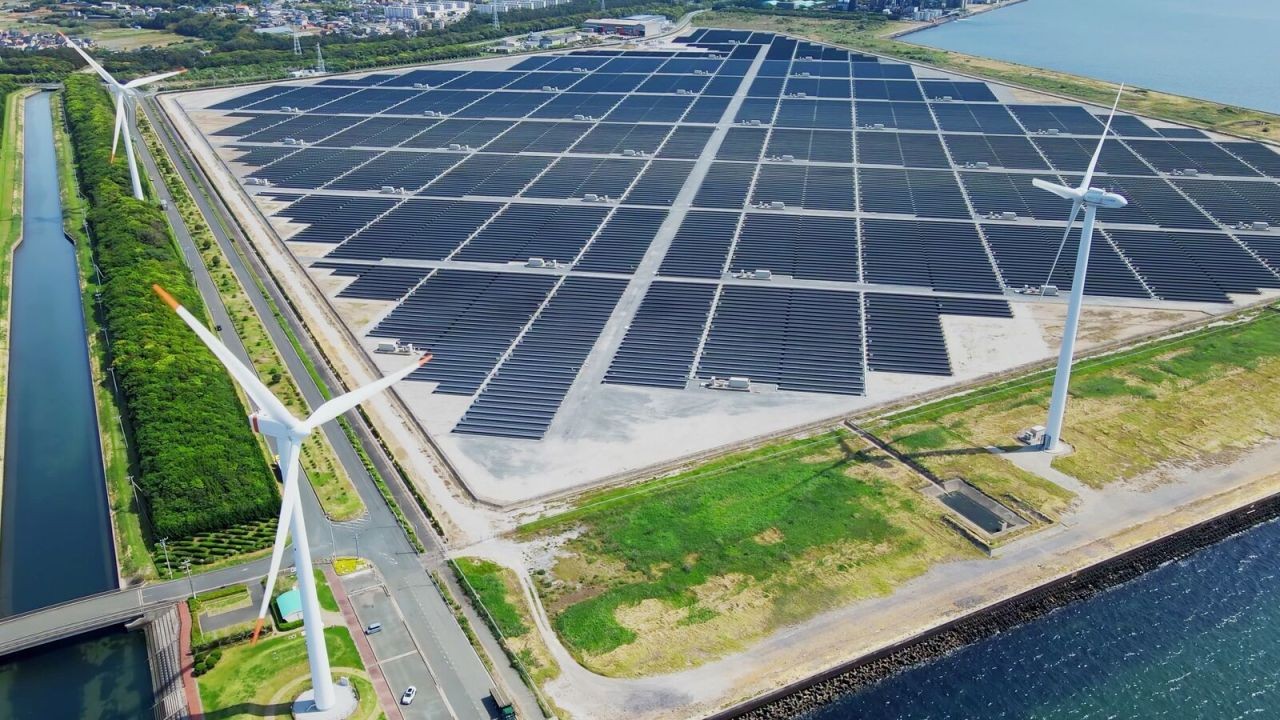
- Technological Innovation: Europe is a leader in offshore wind energy and has made significant advancements in energy storage technologies.
Challenges
- Diverse Energy Mix: The reliance on nuclear energy in some countries and coal in others creates a complex landscape for policy harmonization.
- Energy Security: Political tensions and dependency on external fossil fuel suppliers pose risks to energy security.
Case Study: Australia's Solar Energy Success
Problem: Australia faced high electricity costs and increasing carbon emissions due to its reliance on fossil fuels.
Action: The country invested heavily in solar energy, becoming a global leader in rooftop solar installations. The government introduced incentives such as feed-in tariffs and solar rebates to encourage adoption.
Result: As of 2024, over 30% of Australian homes have solar panels, significantly reducing electricity bills and carbon emissions. The solar industry has also created jobs, contributing to economic growth.
Takeaway: Australia's success in solar energy demonstrates the potential of targeted incentives and public support in driving renewable energy adoption.
Case Study: Europe's Offshore Wind Prowess
Problem: Europe needed to diversify its energy sources to reduce carbon emissions and enhance energy security.
Action: The EU invested heavily in offshore wind projects, with countries like the UK and Germany leading the way. Public-private partnerships and technological advancements played a crucial role.
Result: Europe now accounts for 75% of the world's offshore wind capacity, with significant reductions in carbon emissions and increased energy security.
Takeaway: Europe's leadership in offshore wind highlights the importance of innovation, investment, and collaboration in achieving sustainable energy goals.
Pros and Cons of Australia's and Europe's Approaches
Australia
- Pros: Abundant natural resources, government support for renewables, potential for job creation.
- Cons: Infrastructure challenges, policy uncertainty, reliance on fossil fuel exports.
Europe
- Pros: Ambitious climate targets, regulatory framework, technological innovation.
- Cons: Diverse energy mix, energy security concerns, high initial investment costs.
Myths and Misconceptions
- Myth: "Renewable energy is too expensive."
- Reality: Costs for solar and wind energy have plummeted, making them competitive with fossil fuels (Source: International Renewable Energy Agency, 2023).
- Myth: "Australia cannot meet its energy needs with renewables alone."
- Reality: With advancements in energy storage and grid infrastructure, Australia has the potential to be powered entirely by renewables (Source: CSIRO, 2024).
Future Trends and Predictions
By 2030, it is anticipated that over 50% of Australia's energy will be derived from renewable sources, driven by continued investments and technological advancements. Europe is likely to maintain its leadership in renewable energy, with increased focus on hydrogen as a key component of its energy mix. The global push for carbon neutrality will necessitate stronger international cooperation, technological innovation, and policy harmonization.
Conclusion
While both Australia and Europe have made commendable progress in sustainable energy, their paths reflect different priorities and challenges. Australia's abundant natural resources and policy innovations position it well for future growth in renewables. Meanwhile, Europe's regulatory framework and technological advancements offer valuable lessons in achieving ambitious climate goals.
For Australia, the challenge lies in overcoming infrastructural and policy barriers to unlock its full renewable potential. For Europe, maintaining energy security while reducing dependence on fossil fuels remains pertinent. As both regions continue to evolve, sharing best practices and fostering collaboration will be essential in the global fight against climate change.
What’s your take on Australia’s and Europe’s energy policies? Share your insights below!
People Also Ask
- How does sustainable energy policy impact businesses in Australia? Sustainable energy policies can lead to lower operational costs and improved brand reputation for businesses, while also opening opportunities for innovation and investment in new technologies.
- What are the biggest misconceptions about renewable energy? One common myth is that renewable energy is too expensive, but costs for solar and wind have significantly decreased, making them competitive with traditional energy sources.
- How can Australia improve its energy policy? Australia can enhance its energy policy by investing in grid infrastructure, providing stable policy frameworks, and fostering public-private partnerships to drive innovation and adoption.
Related Search Queries
- Australia renewable energy policy
- Europe energy policy comparison
- Sustainable energy solutions in Australia
- Offshore wind energy in Europe
- Future of energy in Australia
- Renewable energy investments in Europe