




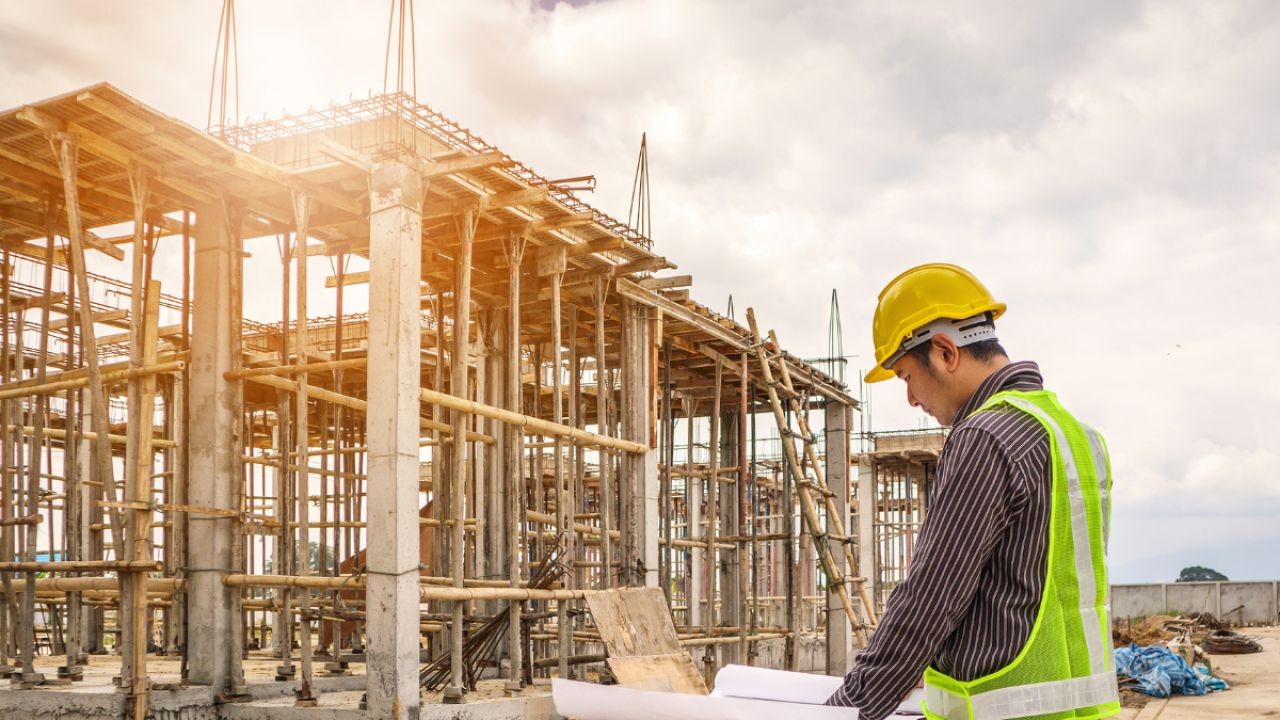
In recent years, Melbourne has witnessed a surge in new apartment constructions, driven by an ever-increasing demand for urban living. However, despite the city's burgeoning skyline, a concerning trend has emerged: some of these new structures are already showing signs of deterioration. As healthcare consultants, understanding the implications of this phenomenon is crucial, especially when considering the intersection of housing quality and health outcomes. Let's delve into the reasons behind this unsettling trend and explore actionable strategies for stakeholders.
Understanding the Root Causes
Several factors contribute to the rapid decline in the structural integrity of new apartment buildings in Melbourne:
- Construction Quality: A rush to meet high demand often leads to compromised construction quality. Builders may opt for cheaper materials or cut corners to save on construction time and costs.
- Regulatory Gaps: Australia's building standards, while comprehensive, have gaps that unscrupulous developers might exploit. The Australian Competition & Consumer Commission (ACCC) has noted lapses in compliance that lead to long-term structural issues.
- Environmental Factors: Melbourne's climate—characterized by its variability and extremes—can exacerbate wear and tear, especially if buildings aren’t designed to withstand such conditions.
Impact on Health and Well-being
The deterioration of apartment buildings has direct and indirect health implications:
- Indoor Air Quality: As buildings age prematurely, issues like mold and dampness become prevalent, leading to respiratory problems and allergies among residents.
- Mental Health Concerns: Living in a compromised building can create stress and anxiety, impacting mental health.
According to the Australian Bureau of Statistics (ABS), poor housing conditions correlate with a significant increase in health service utilization, highlighting the importance of addressing this issue proactively.
Case Study: The Docklands Dilemma
Problem: The Docklands area in Melbourne has been a focal point of rapid apartment development. However, some buildings have faced issues like water leaks and facade deterioration soon after completion.
Action: Affected residents organized to bring attention to these issues, prompting an investigation and subsequent repairs. The Victorian government introduced stricter building regulations in response.
Result: The enforcement of these regulations led to a reduction in new cases of structural failures. Residents reported improved living conditions, and there was a noticeable decrease in health-related complaints.
Takeaway: This case underscores the importance of proactive regulatory oversight and community advocacy in ensuring quality housing.
Pros and Cons of Current Construction Practices
✅ Pros:
- Increased Housing Supply: Rapid construction meets Melbourne's housing demand, offering more options for urban living.
- Economic Growth: The construction boom contributes significantly to the local economy, creating jobs and stimulating growth.
❌ Cons:
- Quality Compromises: The rush to build quickly can lead to substandard construction.
- Long-term Costs: Poor construction quality can result in hefty repair costs and health-related expenses down the line.
Myths and Misconceptions
- Myth: All new buildings are inherently safe and durable.
- Reality: As seen in Melbourne, some new constructions quickly develop structural issues, challenging the assumption of inherent safety.
- Myth: Building regulations are foolproof.
- Reality: Regulatory gaps exist, and enforcement can be inconsistent, leading to varying construction quality.
Future Trends and Predictions
By 2030, the construction industry in Melbourne is expected to undergo significant transformations:
- Innovation in Materials: The adoption of advanced materials and construction technologies will enhance building resilience.
- Stricter Regulations: Continued advocacy and lessons learned from past failures are likely to result in tightened building codes and compliance checks.
According to a Reserve Bank of Australia (RBA) report, these changes could lead to a 25% reduction in the incidence of structural failures in new buildings.
Conclusion: Taking Action
To mitigate the risks associated with new apartment developments, stakeholders must prioritize quality over speed. This involves stricter enforcement of regulations, investing in durable materials, and fostering an industry culture that values long-term sustainability. As healthcare consultants, advocating for these measures is crucial, given the profound impact housing quality has on health outcomes.
What are your thoughts on the intersection of construction quality and health? Join the discussion and share your insights below!
People Also Ask (FAQ)
- How does poor construction quality affect health? Poor construction quality can lead to issues like mold and dampness, impacting respiratory health and increasing stress levels.
- What can residents do if they face structural issues in new apartments? Residents should document the issues, engage with building management, and consider legal action if necessary to ensure compliance with building standards.
Related Search Queries
- Melbourne apartment building issues
- Construction quality standards Australia
- Impact of housing on health
- Regulatory gaps in Australian construction
- Future of urban housing in Melbourne