






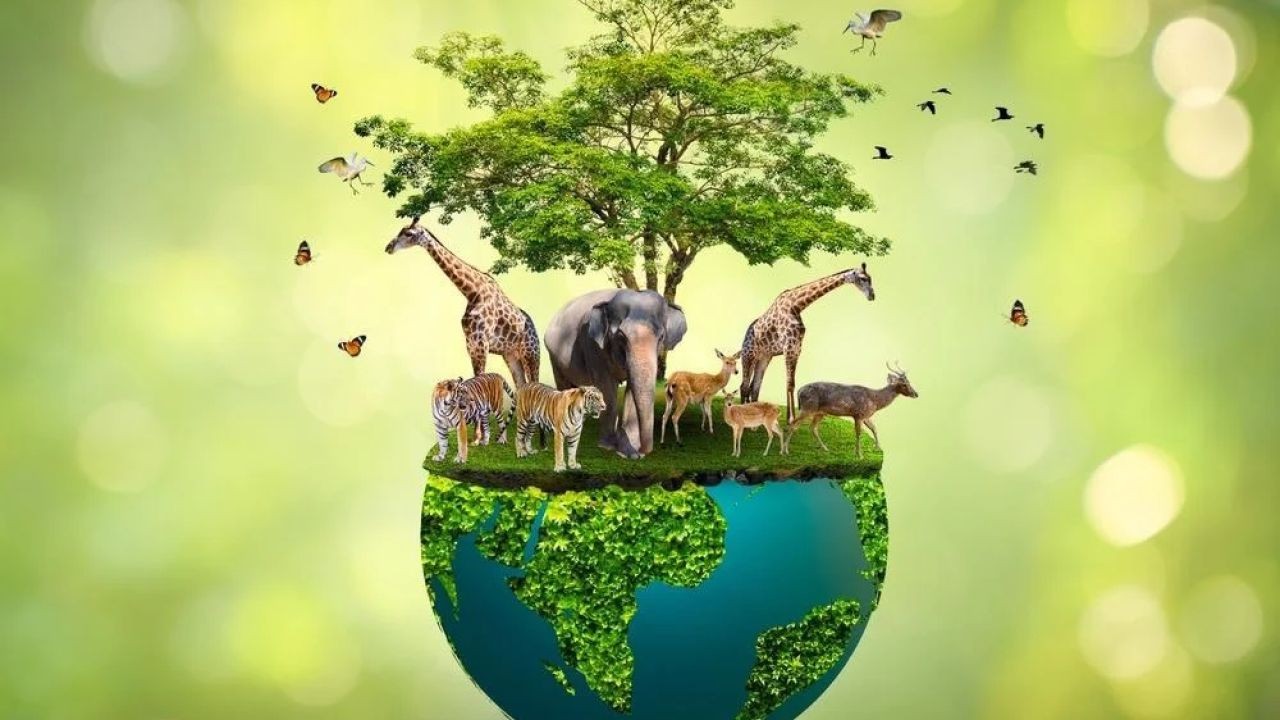
In recent years, New Zealand has emerged as a global leader in wildlife conservation, leveraging its unique biodiversity and innovative policies to safeguard its natural heritage. This island nation, known for its stunning landscapes and rich wildlife, faces significant challenges in preserving its unique fauna and flora. Yet, with innovative strategies, expert insights, and a commitment to sustainability, New Zealand is setting a benchmark for conservation efforts worldwide.
New Zealand is globally recognized for its unique wildlife, from the iconic kiwi to rare marine species, and its commitment to preserving these natural treasures is stronger than ever. Beyond environmental benefits, wildlife conservation is emerging as a key driver of economic growth and innovation, positioning the country for a sustainable and prosperous future.
Why Wildlife Conservation Matters in New Zealand
Wildlife conservation is more than protecting species—it’s about maintaining ecosystems that support communities, tourism, and local industries. New Zealand’s biodiversity is unique, with many species found nowhere else in the world. Preserving these habitats ensures ecological balance and strengthens the country’s environmental reputation internationally.
At the same time, wildlife conservation fuels economic growth by attracting international tourists, encouraging eco-friendly investment, and promoting sustainable agriculture and fisheries.
Key Conservation Initiatives Driving Growth
1. Predator-Free 2050
New Zealand’s ambitious Predator-Free 2050 project aims to eliminate invasive predators such as rats, stoats, and possums to protect native birds and plants. This initiative not only safeguards wildlife but also creates jobs in science, technology, and field operations across urban and rural regions.
2. Marine Protection Programs
New Zealand boasts one of the largest marine territories in the world. Conservation efforts such as marine reserves, sustainable fisheries management, and coral reef protection are safeguarding aquatic biodiversity while opening opportunities for eco-tourism and research collaborations.
3. Community-Led Conservation
Iwi and local community groups are at the forefront of conservation efforts. By restoring native forests, controlling pests, and monitoring endangered species, these projects create local employment, foster environmental stewardship, and strengthen social cohesion.
4. Eco-Tourism and Sustainable Business
Wildlife conservation is a cornerstone of New Zealand’s thriving eco-tourism sector. Tourists from around the globe visit sanctuaries, nature reserves, and national parks, supporting local businesses while promoting environmental education and awareness. Companies integrating sustainable practices into their operations also attract investment and partnerships, further boosting economic growth.
The Economic Impact of Conservation
Conservation initiatives are proving that protecting the environment and stimulating economic growth can go hand in hand. Benefits include:
Job creation in restoration, research, and eco-tourism sectors
Innovation opportunities in sustainable technology and biodiversity monitoring
Global partnerships for conservation research and environmental consulting
Enhanced national branding as a world leader in sustainability
By valuing wildlife preservation alongside economic priorities, New Zealand demonstrates that environmental stewardship can be a powerful growth engine.
Looking Ahead: Conservation as a Growth Strategy
As challenges like climate change and habitat loss intensify, wildlife conservation is becoming increasingly strategic. Investments in biodiversity, ecosystem management, and sustainable industries ensure that New Zealand’s natural heritage continues to thrive while supporting economic resilience.
The future of the country depends on balancing environmental protection with sustainable development. By integrating conservation into national growth strategies, New Zealand is securing both its ecological legacy and its economic future.
The Unique Biodiversity of New Zealand
New Zealand's geographical isolation has resulted in a distinctive ecosystem, home to species found nowhere else on Earth. According to the Department of Conservation, over 80% of New Zealand's native flora and fauna are endemic, making conservation efforts crucial for maintaining global biodiversity. However, this uniqueness also brings vulnerabilities, as introduced species and habitat destruction threaten native wildlife.
"New Zealand's commitment to conservation is not just about preserving our natural beauty; it's about protecting a global treasure," remarks Dr. Megan Wahlen, an environmental scientist at the University of Auckland. "Our ecosystems are fragile, yet they hold the key to understanding broader ecological processes."
Case Study: The Kiwi Bird Conservation Effort
Problem: The iconic kiwi bird, a national symbol, has faced significant threats from predators like stoats and habitat loss. The kiwi population has declined by 2% annually over recent decades.
Action: In response, New Zealand initiated the "Kiwis for kiwi" program, incorporating predator control measures, community engagement, and habitat restoration.
Result: In areas where the program operates, kiwi populations have increased by 2-3% annually, reversing previous declines.
Takeaway: This initiative exemplifies how targeted conservation strategies, supported by community involvement, can yield positive biodiversity outcomes.
Economic Impacts of Wildlife Conservation
Conservation efforts are not only ecologically significant but also economically beneficial. The New Zealand tourism industry, which contributes over NZD 39 billion to the economy annually, heavily relies on the country's natural beauty and wildlife attractions. According to Stats NZ, eco-tourism has seen a 20% growth over the past five years, driven largely by international visitors keen to experience New Zealand's unique flora and fauna.
"Conservation is integral to our tourism sector," says Sarah Thompson, a tourism strategist. "Visitors come to New Zealand for its pristine landscapes and rich biodiversity. Protecting these assets isn't just an ecological imperative but an economic necessity."
Integrating Conservation into Business Strategies
- Eco-friendly Practices: Businesses incorporating sustainable practices, such as reducing waste and energy consumption, have reported increased customer loyalty and brand reputation.
- Corporate Responsibility: Companies investing in conservation projects can enhance their corporate social responsibility profiles, attracting environmentally conscious consumers.
- Innovation Opportunities: The demand for sustainable products has led to innovation in eco-friendly technologies and services, providing new business opportunities.
Data-Driven Insights: The Role of Government Policies
Government policies have played a pivotal role in shaping conservation efforts in New Zealand. The Ministry for the Environment's Resource Management Act is a cornerstone of environmental regulation, emphasizing sustainable management of natural resources. This framework has facilitated partnerships between government, communities, and businesses to achieve conservation goals.
Moreover, the Predator Free 2050 initiative aims to eliminate key mammalian predators, enhancing native wildlife survival. According to MBIE, projects under this initiative are expected to generate significant ecological and economic benefits, with potential returns exceeding NZD 9 billion over the next 50 years.
Debunking Myths in Wildlife Conservation
Despite progress, misconceptions about conservation persist, often hindering effective policy implementation. Here are common myths debunked:
- Myth: Conservation is solely a government responsibility. Reality: Conservation success depends on collective action from individuals, businesses, and communities, not just government intervention.
- Myth: Conservation efforts are too costly with limited returns. Reality: Data indicates that conservation initiatives, particularly eco-tourism, contribute significantly to economic growth, far outweighing initial investments.
- Myth: Introducing species can solve ecological problems. Reality: Historically, introducing non-native species has led to ecological imbalances, emphasizing the need for native species protection.
Common Mistakes in Conservation Strategies
- Ignoring Local Communities: Effective conservation requires engaging local communities, whose knowledge and involvement are crucial for success.
- Overreliance on Technology: While technology aids conservation, overreliance without community integration can lead to unsustainable outcomes.
- Short-term Focus: Conservation efforts should prioritize long-term ecological health rather than immediate gains.
Looking Ahead: Future Trends in Conservation
As New Zealand continues to innovate in conservation, several trends are emerging:
- Increased Use of Technology: Drones, AI, and satellite monitoring are becoming integral to wildlife tracking and habitat assessment.
- Community-Led Initiatives: Empowering local communities to lead conservation projects fosters sustainable practices and ensures long-term success.
- Cross-Sector Collaboration: Partnerships between government, businesses, and NGOs are crucial for comprehensive conservation strategies.
According to the New Zealand Institute of Economic Research, these trends are expected to enhance conservation outcomes while driving economic growth, positioning New Zealand as a leader in sustainable development.
Conclusion: A Call to Action
New Zealand's approach to wildlife conservation demonstrates that ecological preservation and economic growth are not mutually exclusive. By leveraging unique biodiversity, innovative policies, and community engagement, New Zealand sets a global standard for conservation efforts. However, continued success requires sustained commitment from all sectors of society.
What’s your role in conservation? Whether you're a business leader, policymaker, or individual, your actions can contribute to preserving New Zealand's natural heritage. Share your thoughts and strategies for conservation in the comments below!
Related Search Queries
- New Zealand wildlife conservation strategies
- Economic impact of conservation in New Zealand
- Kiwi bird conservation efforts
- Predator Free 2050 initiative
- Eco-tourism in New Zealand
- Sustainable business practices in New Zealand
- Technology in wildlife conservation
People Also Ask
- How does wildlife conservation impact New Zealand's economy? Wildlife conservation boosts eco-tourism, contributing over NZD 39 billion annually to New Zealand's economy, according to Stats NZ.
- What are the biggest misconceptions about wildlife conservation? A common myth is that conservation is solely a government responsibility. In reality, success depends on collective action from all sectors.
- What are the best strategies for implementing wildlife conservation? Experts recommend integrating community engagement, leveraging technology, and fostering cross-sector partnerships for effective conservation.
For the full context and strategies on New Zealand's Role in Wildlife Conservation – The Growth Engine New Zealand Needs Now, see our main guide: Adventure Tourism Videos Showcase Nz Thrills.