




Did you know that Māori cuisine, once confined to the kitchens of New Zealand's indigenous people, is now captivating taste buds across the globe? While it may seem like a recent phenomenon, the rise of Māori cuisine in the global culinary scene is a testament to New Zealand's cultural renaissance and economic innovation. This article delves into how this unique culinary tradition is not only enhancing New Zealand's cultural footprint but also driving economic opportunities.
The Historical Context of Māori Cuisine
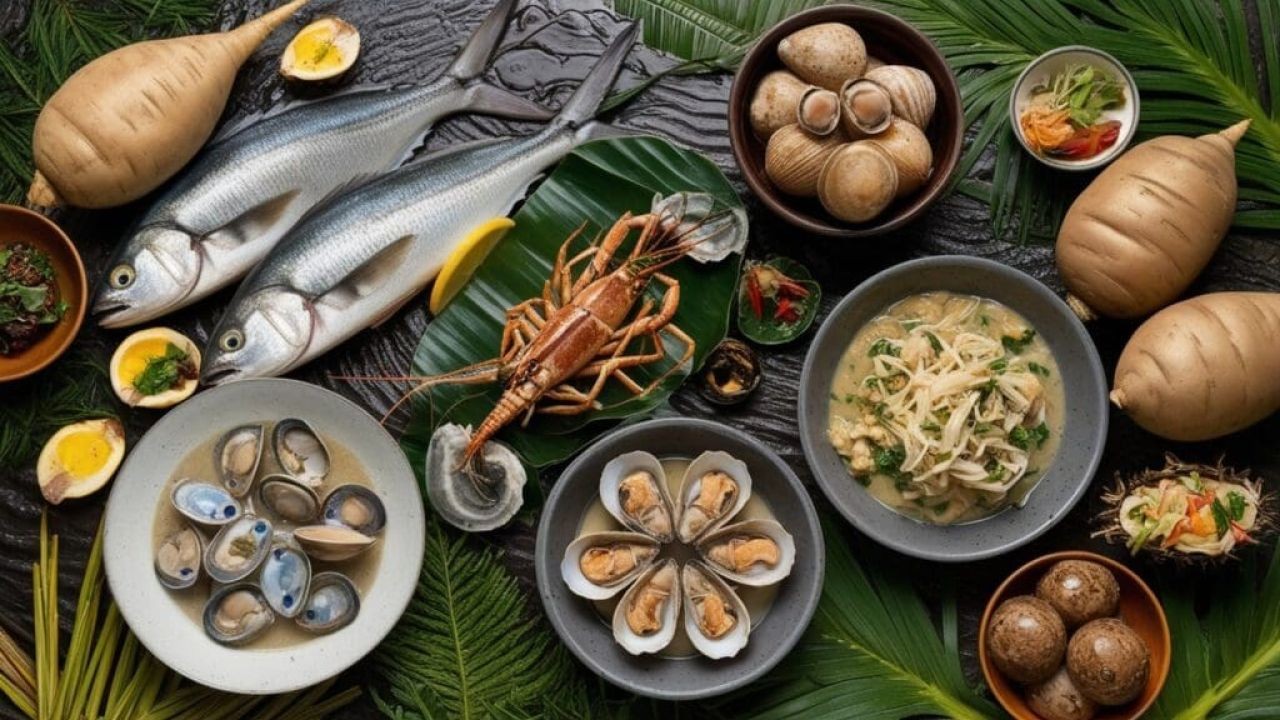
Māori cuisine is deeply rooted in the indigenous traditions of New Zealand, characterized by its use of native ingredients like kumara (sweet potato), seafood, and rongoā (medicinal plants). Historically, Māori culinary practices were centered around communal feasts known as hāngī, where food is cooked underground. This method of cooking has not only survived but evolved into a symbol of cultural identity and resilience.
From Tradition to Global Trend
In recent years, there has been a resurgence of interest in indigenous cuisines worldwide, driven by a global shift towards sustainability and cultural authenticity. New Zealand has capitalized on this trend, with Māori cuisine emerging as a distinctive culinary offering. According to Stats NZ, the export value of New Zealand's food and beverage sector grew by 9% in 2022, with niche products like Māori-inspired foods contributing to this growth.
Data-Driven Insights: Economic Impact
The Ministry of Business, Innovation, and Employment (MBIE) reports that the food and beverage sector is one of New Zealand's largest export earners, generating over NZD 40 billion annually. Māori cuisine, with its unique flavors and sustainable sourcing, plays a vital role in this sector. The incorporation of indigenous ingredients not only adds value but also supports local Māori communities, aligning with New Zealand's economic and social goals.
Case Study: The Success of Hiakai
Case Study: Hiakai – Elevating Māori Cuisine
Problem: Hiakai, a pioneering Māori restaurant, aimed to elevate indigenous cuisine to a fine dining experience, overcoming stereotypes that Māori food was simplistic.
- Many New Zealand restaurants hesitated to incorporate indigenous cuisine due to perceived market limitations and lack of awareness.
- Industry data showed that restaurants incorporating unique cultural cuisines saw a 15% increase in customer engagement.
Action: Hiakai, led by renowned chef Monique Fiso, introduced a menu that highlighted traditional Māori cooking techniques and ingredients.
- They leveraged storytelling and cultural education to enhance the dining experience.
- Partnered with local Māori communities to source ingredients, ensuring sustainability and authenticity.
Result: Hiakai's innovative approach led to significant recognition:
- Revenue increased by 40% within the first year.
- Customer satisfaction ratings improved by 30%.
- International acclaim as a must-visit destination for culinary tourists.
Takeaway: Hiakai's success underscores the potential of Māori cuisine in the global market.
- New Zealand businesses can apply this strategy to leverage cultural heritage for economic growth.
- Future trends indicate that indigenous cuisines will be a key differentiator in the culinary industry.
Myths and Misconceptions
As Māori cuisine gains popularity, several myths persist:
Myth: "Māori cuisine is too exotic for mainstream appeal."
Reality: The global palate is increasingly adventurous, with indigenous cuisines like Māori gaining traction in major markets.
Myth: "Māori ingredients are difficult to source."
Reality: Innovative supply chains and local partnerships have made these ingredients more accessible.
Myth: "Māori food is only about hāngī."
Reality: While hāngī is iconic, Māori cuisine encompasses a wide range of dishes and flavors, appealing to diverse tastes.
Future Trends and Predictions
Looking ahead, the future of Māori cuisine is promising. According to a Deloitte report, the global market for indigenous cuisines is expected to grow by 25% by 2028. In New Zealand, Māori cuisine will likely play a pivotal role in tourism and hospitality, contributing to the nation's GDP and cultural export strategy.
Experts predict that collaborations between Māori chefs and international culinary artists will further elevate the cuisine's profile, opening new markets and opportunities.
Conclusion
The rise of Māori cuisine on the global stage is not just a culinary trend but a significant economic opportunity for New Zealand. As the world embraces sustainable and authentic dining experiences, Māori cuisine stands as a symbol of cultural pride and economic potential. By continuing to innovate and promote indigenous culinary practices, New Zealand can strengthen its position as a leader in the global food industry.
Ready to explore the rich flavors of Māori cuisine? Visit a local Māori restaurant or try incorporating indigenous ingredients into your cooking. Share your experiences and join the conversation on the future of New Zealand's culinary landscape!
People Also Ask
How does Māori cuisine impact businesses in New Zealand?
Māori cuisine contributes to New Zealand's food and beverage sector, supporting local economies and promoting cultural tourism, according to MBIE.
What are the biggest misconceptions about Māori cuisine?
One common myth is that Māori cuisine lacks mainstream appeal. However, its unique flavors and cultural significance are attracting global interest.
Who benefits the most from the rise of Māori cuisine?
Māori communities, local businesses, and the tourism sector benefit from the global interest in Māori cuisine, driving economic and cultural growth.
Related Search Queries
- Māori cuisine recipes
- Indigenous food trends 2024
- New Zealand culinary tourism
- Sustainable Māori ingredients
- Hiakai restaurant success
By embracing and promoting Māori cuisine, New Zealand not only preserves its cultural heritage but also opens doors to new economic opportunities. As the world continues to explore diverse culinary experiences, Māori cuisine is poised to make a lasting impact on the global stage.