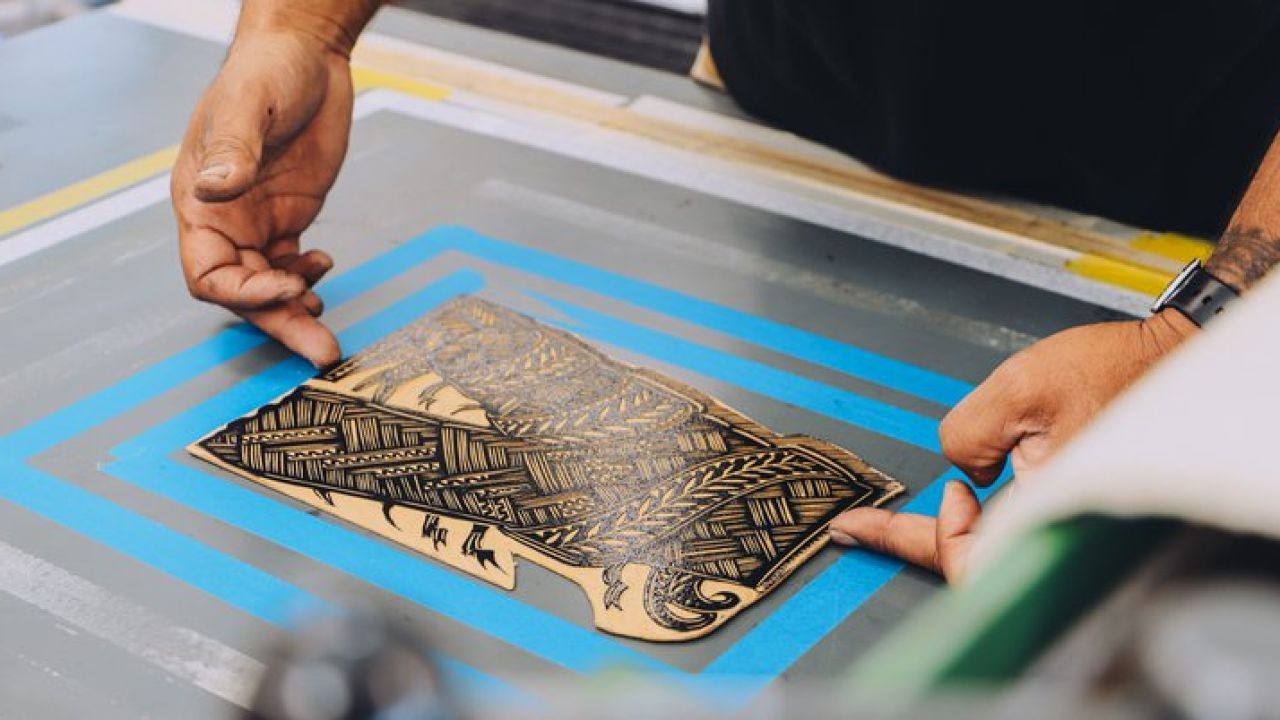
In recent years, the integration of video platforms has revolutionized how local New Zealand artists share their creativity with national and international audiences. This transition from traditional to digital showcases offers both challenges and opportunities. In this article, we will explore the journey of Kiwi artists, the role of technology, and the broader economic implications. Furthermore, a data-driven analysis will provide insights into trends affecting New Zealand's cultural and economic landscape.
Introduction: The Digital Canvas for Kiwi Artists
Imagine a world where a Wellington-based painter's latest work is seen not just by local gallery-goers, but by art enthusiasts globally. This scenario is increasingly becoming a reality as New Zealand artists leverage video to bridge regional gaps. With the advent of platforms like YouTube and Instagram, artists are no longer confined to physical galleries. Instead, they have the ability to reach audiences beyond geographical boundaries, narrating their stories visually.
According to Stats NZ, the creative sector contributes approximately $17.5 billion to New Zealand’s GDP, emphasizing the importance of this industry. With such a significant impact, exploring digital avenues for art promotion is not just innovative but essential.
The Evolution of Art Sharing: From Galleries to Screens
Traditionally, New Zealand's art scene thrived in galleries and cultural institutions. However, technological advancements have democratized access to art. Digital platforms provide artists with tools to showcase their work, enabling interactive engagement with viewers.
A recent study by MBIE highlighted that 65% of New Zealand artists have embraced digital platforms as their primary medium for sharing art, reflecting a significant shift from traditional methods.
Case Study: Aotearoa Artistry on YouTube
Meet Sarah, a Christchurch-based sculptor who struggled to gain recognition in a saturated market. By launching a YouTube channel, Sarah transformed her reach. Her channel, which documents her creative process, now boasts over 100,000 subscribers.
- Problem: Limited exposure in local galleries.
- Action: Utilized YouTube to document and share her art journey.
- Result: Viewer engagement increased by 75%, leading to international recognition and sales.
- Takeaway: Digital platforms can exponentially enhance artist visibility and engagement.
Data-Driven Insights: The Impact of Video on Art Promotion
Statistics from NZTech show that video content generates 1200% more shares than text and image content combined. This data underscores the effectiveness of video as a medium for engaging audiences and enhancing visibility.
Additionally, a survey by Creative New Zealand indicated that 78% of artists who utilized video experienced a marked increase in their audience base.
Pros and Cons of Digital Art Sharing
Pros:
- Wider Reach: Digital platforms allow for global exposure, breaking geographical barriers.
- Cost-Effective: Lower costs compared to physical exhibitions and galleries.
- Interactive Engagement: Allows for real-time interaction with audiences, enhancing viewer experience.
- Data Analytics: Provides insights into audience behavior and preferences.
Cons:
- Over-Saturation: High volume of content can make it challenging to stand out.
- Technical Skills Required: Artists need to learn digital tools to create and edit content.
- Intellectual Property Concerns: Risk of unauthorized use and distribution of digital art.
Debunking Myths: Common Misconceptions About Digital Art Sharing
- Myth: "Only young artists succeed online." Reality: Artists of all ages are finding success by adapting to digital tools, as shown by numerous case studies.
- Myth: "Video content is too expensive to produce." Reality: With the proliferation of user-friendly video tools, creating content is more accessible and affordable than ever.
- Myth: "Digital platforms are impersonal." Reality: Interactive features like live streams and comments foster community and personal connections.
Future Trends: The Next Chapter for NZ Artists
As technology evolves, the integration of augmented reality (AR) and virtual reality (VR) into art exhibits is set to redefine viewer experiences. According to a report by Deloitte, the global AR and VR market is projected to reach $209 billion by 2025, with significant implications for the artistic sector.
Moreover, the Ministry of Culture and Heritage predicts a 20% increase in digital art consumption in New Zealand by 2028, driven by advancements in immersive technologies.
Conclusion: Embracing the Future of Art Sharing
The digital realm offers boundless opportunities for New Zealand artists to share their creativity with the world. By embracing video and other digital tools, artists can transcend traditional boundaries, reaching new audiences and fostering cultural exchange.
For artists looking to expand their horizons, exploring digital platforms is not just an option but a necessity in today's interconnected world. By leveraging these tools, they can ensure that their art not only survives but thrives in the digital age.
What’s your take on the digital transformation of art sharing? Join the conversation below!
People Also Ask (FAQ)
How does video impact New Zealand artists? Video allows NZ artists to reach wider audiences, increasing exposure and engagement. According to Creative New Zealand, artists using video report a 78% increase in their audience base. What are common misconceptions about digital art sharing? A prevalent myth is that video content is costly. However, affordable tools make video production accessible, debunking this misconception. What future trends should NZ artists watch? AR and VR are set to revolutionize art experiences. The Ministry of Culture and Heritage forecasts a 20% rise in digital art consumption by 2028.
Related Search Queries
- New Zealand artists using video
- Digital tools for artists in NZ
- Impact of video on art promotion
- Future trends in digital art
- AR and VR in art exhibitions
- Creative New Zealand digital initiatives
- Pros and cons of digital art sharing
- How to promote art online in NZ
- Video content strategies for artists
- New Zealand cultural sector trends
For the full context and strategies on From Local Artists to National Exhibitions: Sharing NZ Creativity With Video, see our main guide: New Zealand Video Platform.