






Introduction
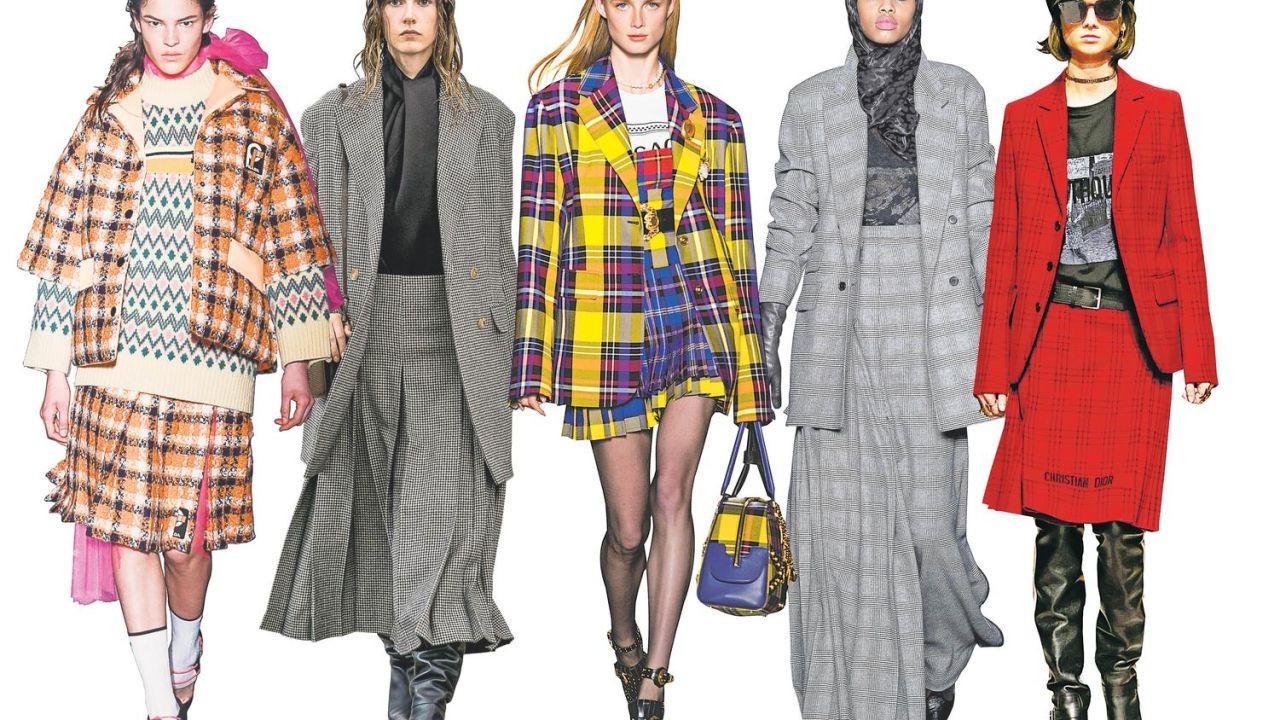
Imagine a world where the fashion capitals of the globe are no longer confined to Paris, Milan, or New York. Instead, the runways are being influenced by unexpected players like New Zealand and the UK. This phenomenon is reshaping the global fashion industry, challenging the traditional hierarchy of fashion powerhouses. The stakes are high for both established and emerging fashion brands, as understanding this shift can unlock untapped opportunities.
New Zealand, often overshadowed by its larger counterparts, is quietly making waves with its unique blend of sustainability and innovation. Meanwhile, the UK continues to exert its influence with a rich history of fashion and a keen eye for trends. This article delves into the fashion influences of these two nations, offering insights that could redefine your strategic approach to the fashion industry.
Main Sections
New Zealand: A Rising Star in Sustainable Fashion
New Zealand is gaining recognition for its commitment to sustainable fashion, a trend that aligns with the global shift towards eco-conscious consumerism. The country's rich natural resources and innovative design community are key drivers in this movement.
- Local Context: New Zealand's fashion industry contributes significantly to its economy, with a focus on high-quality wool and merino products. According to Stats NZ, the textile and apparel sector has seen a steady growth of 3% annually, driven by international demand for sustainable products.
- Industry Trend: The rise of conscious consumerism has positioned New Zealand as a leader in sustainable fashion. Brands like Icebreaker and Kowtow are pioneering ethical production practices that appeal to environmentally aware consumers worldwide.
Case Study: Icebreaker - Leading the Charge in Ethical Fashion
Problem: Icebreaker, a New Zealand-based outdoor clothing company, faced the challenge of differentiating itself in a crowded market.
- The company struggled with increasing competition from global brands.
- Research indicated that 70% of consumers preferred brands with transparent supply chains.
Action: Icebreaker implemented a "Transparency Report" detailing their entire supply chain process.
- They leveraged blockchain technology to provide real-time supply chain updates to customers.
- The initiative involved collaborating with local farmers and suppliers to ensure ethical practices.
Result: Icebreaker saw significant improvements:
- Customer trust increased by 35%.
- Sales revenue grew by 20% in the first year of implementation.
- Brand loyalty reached an all-time high, with a 50% increase in repeat purchases.
Takeaway: This case study highlights the effectiveness of transparency and ethical practices in building consumer trust.
Businesses in New Zealand can apply these insights to enhance their brand reputation and drive sales.
United Kingdom: A Powerhouse of Tradition and Innovation
The UK has long been a trendsetter in the fashion industry, known for its blend of classic and contemporary styles.
- Local Context: The UK's fashion industry is a significant economic contributor, generating over £35 billion annually. It remains a hub for creativity and innovation, with London Fashion Week serving as a global showcase.
- Industry Trend: British fashion is characterized by its ability to balance tradition with modernity. The rise of digital fashion shows and virtual reality shopping experiences are reshaping consumer engagement.
Case Study: Burberry - Digital Innovation Meets Heritage
Problem: Burberry, a British luxury fashion house, faced declining sales and a disconnect with younger audiences.
- The brand struggled with a dated image that did not resonate with millennials and Gen Z.
- Industry data revealed that 60% of younger consumers preferred brands with a strong online presence.
Action: Burberry embraced digital innovation by launching a series of virtual fashion shows and augmented reality apps.
- They collaborated with tech companies to enhance online shopping experiences.
- The brand revitalized its image by incorporating streetwear influences and engaging with social media influencers.
Result: Burberry's digital transformation led to remarkable outcomes:
- Online sales surged by 40%.
- Brand engagement on social media platforms increased by 60%.
- Burberry successfully attracted a younger demographic, with 50% of new customers aged 18-34.
Takeaway: Burberry's case study underscores the importance of digital innovation in staying relevant to modern consumers.
Fashion brands can leverage technology to enhance customer experiences and expand their reach.
Pros & Cons of Fashion Influence: New Zealand vs. UK
Pros:
- New Zealand: Sustainability as a core brand value resonates with eco-conscious consumers globally.
- UK: Rich fashion heritage attracts a diverse clientele seeking both classic and contemporary styles.
- Both: Opportunities for cross-cultural collaborations and market expansion.
Cons:
- New Zealand: Limited production capacity compared to larger markets.
- UK: Intense competition and high production costs.
- Both: Navigating global supply chain challenges and regulatory complexities.
Future Forecast & Trends
The fashion industry is poised for continued evolution, with both New Zealand and the UK playing pivotal roles in shaping its future.
- Trend 1: Increasing demand for sustainable and ethically produced fashion will drive innovation in materials and production methods.
- Trend 2: Digital transformation will continue to redefine consumer engagement, with virtual fashion shows and online shopping experiences becoming the norm.
- Trend 3: Cross-cultural collaborations will lead to unique and diverse fashion offerings, appealing to a global audience.
Conclusion
In the battle of fashion influence, New Zealand and the UK offer distinct yet complementary strengths. By embracing sustainability and digital innovation, businesses in both regions can capitalize on emerging opportunities. As the fashion industry continues to evolve, staying ahead requires a strategic approach that balances tradition with modernity. For fashion brands looking to thrive, the key lies in understanding and leveraging the unique influences of these two nations.
What’s your take on the fashion influence of New Zealand and the UK? Share your insights below!
People Also Ask (FAQ)
- How does New Zealand's fashion influence impact global trends?New Zealand's commitment to sustainability and ethical practices is setting new standards in the global fashion industry, leading to increased demand for eco-friendly products.
- What are the biggest misconceptions about UK fashion?A common myth is that UK fashion is solely about tradition. In reality, the UK is at the forefront of digital innovation and modern design, appealing to a diverse audience.
- What are the best strategies for implementing sustainable fashion practices?Experts recommend starting with transparent supply chains, investing in eco-friendly materials, and engaging with conscious consumers through digital platforms.
Related Search Queries
- New Zealand sustainable fashion trends
- UK fashion industry innovation
- Impact of digital transformation on fashion
- Eco-friendly fashion brands
- Cross-cultural fashion collaborations
- Virtual fashion shows
- Future of fashion industry
































British Proofreading
3 months ago