






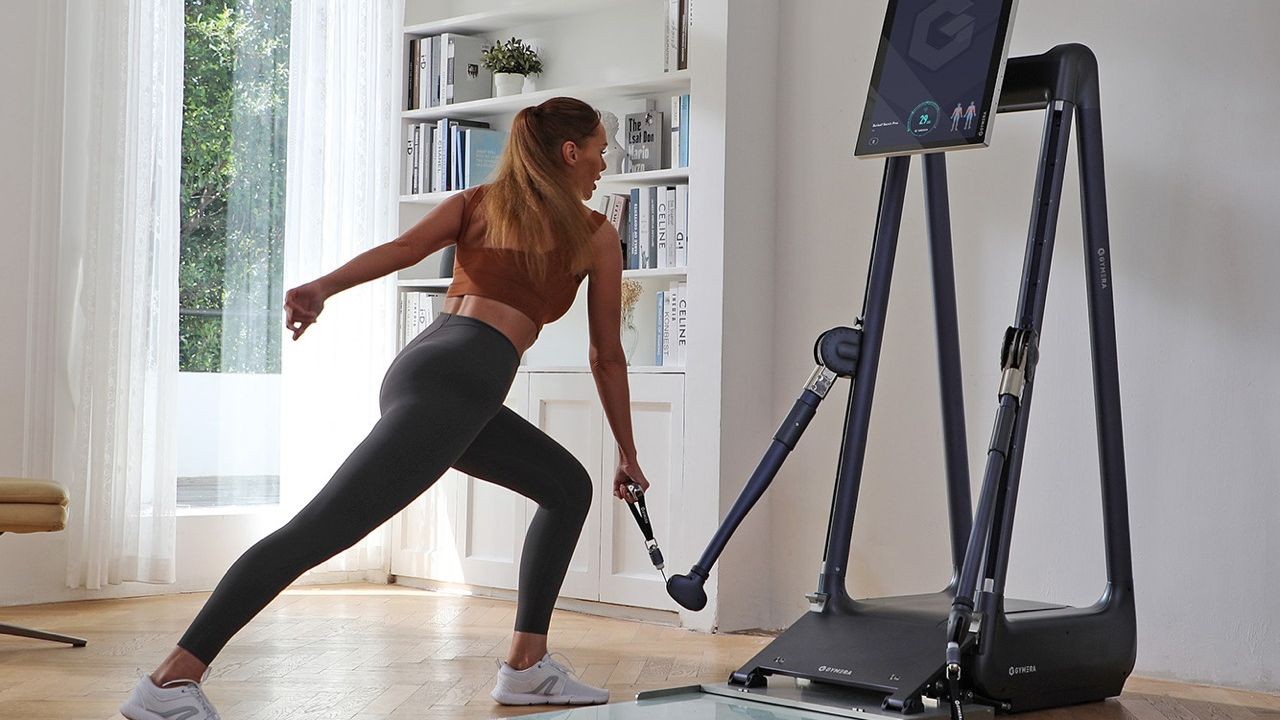
The Australian fitness industry is in the throes of a profound, technology-driven metamorphosis. Walk into any modern gym in Sydney or Melbourne, and you're as likely to see members interacting with a touchscreen as you are to hear the clang of free weights. The rise of the 'smart gym'—facilities leveraging the Internet of Things (IoT), Artificial Intelligence (AI), and sophisticated data analytics to personalise and gamify the workout experience—is no longer speculative. It's happening. But the critical question for investors, franchise owners, and everyday Australians is whether this represents a fleeting trend or the definitive future of fitness. The evidence suggests a more nuanced, fragmented dominance is on the horizon, one that will reshape the market but not wholly consume it.
The Data-Driven Pulse of the Australian Fitness Consumer
To understand the potential of smart gyms, one must first diagnose the ailments of the traditional model. The Australian fitness industry, valued at over $2.5 billion, has long been plagued by high churn rates and underutilised memberships. A 2023 report by the Australian Bureau of Statistics on sport and physical recreation highlighted a telling shift: while gym membership remained popular, there was a marked increase in the use of digital fitness apps and on-demand services, a trend accelerated by pandemic-era lockdowns. This points to a consumer increasingly comfortable with—and expecting—a tech-integrated, flexible approach to health.
Smart gyms directly target this expectation. From my work with Australian SMEs in the wellness sector, the primary pain point is member retention. A standard 12-month contract is no longer a guarantee of loyalty. Smart technology offers a solution through sticky engagement: equipment that remembers your settings, virtual trainers that adapt workouts in real-time, and community leaderboards that tap into our competitive instincts. The value proposition shifts from mere access to equipment to a personalised, data-rich health journey.
Case Study: F45 – A Hybrid Blueprint with Global Resonance
While not a pure-play 'smart gym' in the IoT sense, F45 Training provides a compelling case study in technology-driven, standardised group fitness—a model that has captivated the Australian market and exploded globally. Its success offers critical insights for the smart gym evolution.
Problem: The group fitness market was fragmented, with inconsistent quality and coaching dependent entirely on individual trainer charisma. Scaling a premium, predictable experience was notoriously difficult.
Action: F45 implemented a centralised, technology-led solution. Every studio globally runs identical, professionally produced workouts displayed on large screens. The system synchronises timing, exercises, and music, reducing the variable of instructor quality. Heart rate monitors (a form of biometric IoT) are integrated to display effort on screens, fostering a gamified, competitive environment within the class.
Result: This tech-enabled consistency allowed for unprecedented franchise scalability. F45 grew from an Australian startup to a global phenomenon with over 3,000 studios. While facing recent financial headwinds, its model proved the mass appeal of a standardised, tech-augmented workout experience. Member engagement is driven by the combination of community and visible, real-time performance data.
Takeaway: The F45 story demonstrates that Australian consumers and investors are highly receptive to fitness models where technology enhances consistency and community. For pure smart gyms, the lesson is that hardware alone (smart equipment) is insufficient; it must be wrapped in a compelling software and community ecosystem. Having worked with multiple Australian startups in the fitness tech space, I've observed that the most successful are those who view data not as an endpoint, but as a tool to fuel human connection and motivation.
Reality Check for Australian Businesses: The High-Stakes Barriers
The allure of smart gyms is undeniable, but the path to profitability is strewn with operational and economic hurdles unique to the Australian context. The assumption that newer and shinier will automatically win is a costly strategic error.
First, the capital expenditure is staggering. Outfitting a facility with connected cardio machines, AI-powered camera systems, and robust IoT infrastructure requires an investment multiples higher than a traditional gym setup. This creates a significant barrier to entry for independent operators and pressures franchise models with high upfront costs for franchisees. In practice, with Australia-based teams I’ve advised, the financing conversation often stalls at this point, with banks cautious about lending against rapidly depreciating tech assets.
Second, Australia’s relatively high energy costs and the concentration of population in coastal cities impact the business model. The server infrastructure and constant operation of sensors increase overheads. Furthermore, the regional and suburban markets, which may have less tech-savvy demographics or different fitness priorities, might not support the premium pricing required to justify the investment. A one-size-fits-all rollout across Sydney, Perth, and regional Queensland is a recipe for failure.
Finally, data privacy regulation looms large. Smart gyms collect a biometric treasure trove: heart rate, movement patterns, facial recognition for access, and even weight distribution. Australia’s Privacy Act is under review, with reforms likely to impose stricter obligations on entities handling sensitive data. The Australian Competition & Consumer Commission (ACCC) has also shown deep interest in how companies manage consumer data. A smart gym operator facing a data breach would not only suffer reputational catastrophe but potentially severe regulatory penalties.
A Balanced Prognosis: The Hybrid Future of Australian Fitness
The debate is not whether smart technology will influence Australian gyms—it already has—but to what degree. The future is not a wholesale replacement, but a stratified market and a hybridisation of models.
The Advocate View: Inevitable Dominance in Premium Segments
Proponents argue that smart technology is the only answer to chronic engagement issues. For the premium and boutique segment in metropolitan areas, this is likely true. The member paying $70+ per week expects a seamless, personalised, and data-rich experience that justifies the spend. Here, smart integrations will become table stakes. The ability to track progressive overload automatically, receive AI-formulated nutrition tips, and compete in virtual challenges creates a sticky ecosystem that a basic gym cannot match. For this demographic, dominated by time-poor professionals, efficiency and personalisation powered by tech are the ultimate value propositions.
The Critic View: A Niche Product with Limited Mass Appeal
Skeptics counter that fitness is, at its core, a human endeavour. The social fabric of a local gym, the tacit knowledge of a seasoned powerlifting coach, and the simplicity of iron and effort cannot be digitised. For large segments of the population—from budget-conscious students to strength athletes and older adults—the primary needs are affordability, reliable equipment, and human interaction. The complex tech layer is an unnecessary cost and a potential point of failure. This view holds that smart gyms will remain a profitable niche, akin to luxury car brands, but will never dominate the mass market held by the likes of Anytime Fitness or community-owned council gyms.
The Middle Ground: The "Smart-Enabled" Gym Ecosystem
The most probable outcome is the rise of the "smart-enabled" ecosystem rather than the purely "smart gym." Drawing on my experience in the Australian market, the winning formula will be modular. Traditional gyms will adopt specific smart elements: wearable integration for group classes, app-based booking and workout tracking, and select pieces of connected strength equipment. This allows for gradual capital deployment and caters to both tech-enthusiast and traditional members. The gym becomes a platform, offering both digital and physical services—a hybrid model that maximises reach and revenue resilience.
Actionable Insights for Australian Stakeholders
For investors, due diligence must extend beyond the tech specs to unit economics, member acquisition cost in a crowded app marketplace, and the franchisee support model. For gym owners, a phased approach is prudent: start with a robust member app and wearable integration before committing to a full IoT refit. For consumers, the choice will expand, but the imperative is to align with a model that matches your motivation style—be it data-driven or community-focused.
Final Takeaway: Dominance Redefined
Smart gyms will not dominate the Australian fitness scene in the sense of eradicating all other forms. Instead, they will dominate the innovation narrative and set new expectations for personalisation and engagement. Their technologies will permeate downwards, creating a spectrum of 'smartness' across the industry. The true dominance will be of the data-driven mindset. The gyms that thrive will be those, smart or otherwise, that successfully leverage technology to deepen human connection, demonstrate tangible member progress, and build resilient communities. The iron isn't going away, but it will increasingly talk back to you—and the market will belong to those who listen best.
People Also Ask (PAA)
Are smart gyms more expensive than regular gyms in Australia? Yes, typically. The high capital and operational costs of smart technology are usually passed on through premium membership tiers, often 30-50% higher than standard gym fees in metropolitan areas.
What is the biggest risk for smart gym startups in Australia? Beyond high upfront costs, the largest risk is member data privacy and security. With stringent potential reforms to the Privacy Act, a significant data breach could be financially and reputationally catastrophic for a business built on biometric trust.
Can traditional Australian gyms compete with smart gyms? Absolutely, by adopting a hybrid strategy. Integrating specific, member-demanded tech like workout tracking apps and wearable compatibility allows traditional gyms to offer enhanced value without a full, cost-prohibitive smart overhaul.
Related Search Queries
- smart gym equipment Australia
- AI personal trainer cost Australia
- best fitness apps for Australians
- gym membership trends Australia 2024
- data privacy laws Australian gyms
- F45 business model analysis
- hybrid gym model Australia
- cost to open a smart gym Australia
- wearable technology gym integration
- future of fitness industry Australia
For the full context and strategies on Will Smart Gyms Dominate the Australian Fitness Scene? – The Most Overlooked Shift in Australia Today, see our main guide: Hotel Accommodation Videos Australia.