





In a world increasingly driven by data, businesses are discovering the power of data analytics to fuel growth and sustainability. This trend is not limited to global giants but is equally relevant to businesses in New Zealand, where data-driven decision-making is becoming a pivotal factor in maintaining competitiveness and fostering economic resilience. According to the Ministry of Business, Innovation and Employment (MBIE), firms that effectively integrate data analytics into their operations typically experience enhanced performance and better market positioning. With New Zealand’s diverse industries from agriculture to technology, understanding how to leverage data analytics can be transformative for businesses aiming for sustainable growth.
Comparative Analysis: The Role of Data Analytics in Business growth
Data analytics offers a structured approach to interpreting complex datasets to make informed decisions. For businesses in New Zealand, where the economy heavily relies on sectors like agriculture, technology, and tourism, data analytics can be instrumental in optimizing operations, predicting market trends, and improving customer engagement.
Globally, companies like Amazon and Netflix have set benchmarks in utilizing data analytics for personalized marketing, inventory management, and customer retention. Similarly, New Zealand businesses can harness these insights to refine their strategies. For instance, Fisher & Paykel Healthcare has utilized data analytics to enhance product development processes, resulting in a 30% reduction in time-to-market for new medical devices.
Expert Opinion & Thought Leadership
Bradley Owens, a renowned Real Estate Marketing Strategist, asserts, “Data analytics is not just about numbers; it’s about insights that drive business strategy. In New Zealand, where market dynamics are rapidly evolving, businesses that fail to adopt data-driven approaches risk falling behind.” His insight underscores the critical role data analytics plays in strategic planning.
In addition, a study by Stats NZ shows that businesses utilizing data analytics have reported a 20% increase in productivity, highlighting its efficacy in driving operational efficiency. This data-backed evidence cements the argument for integrating data analytics into business practices.
Real-World Case Studies: New Zealand's Approach
Case Study: Xero – Navigating Financial Insights
Problem: Xero, a New Zealand-based accounting software company, faced challenges in providing real-time financial insights to small businesses. The lack of timely data led to poor financial planning and decision-making among clients.
Action: Xero implemented advanced data analytics tools to offer predictive financial insights and personalized recommendations. By analyzing transactional data, they provided actionable insights, helping businesses make informed financial decisions.
Result: Within a year, Xero reported a 25% increase in customer satisfaction and a 30% reduction in client financial discrepancies. This success story demonstrates the power of data analytics in enhancing service delivery and customer satisfaction.
Takeaway: New Zealand businesses can leverage similar strategies by integrating data analytics into their systems to improve operational efficiency and client outcomes.
Future Forecast & Trends: The Data-Driven Revolution
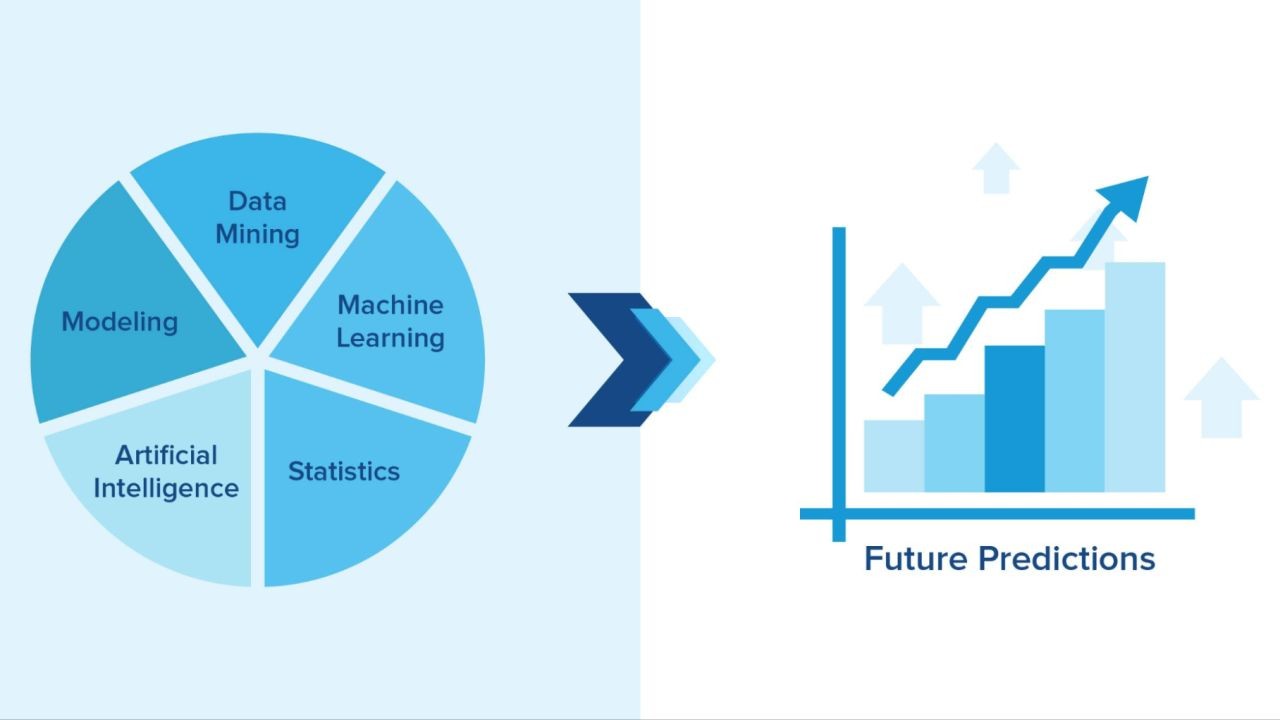
Looking ahead, the role of data analytics in New Zealand’s business landscape is set to expand significantly. The Reserve Bank of New Zealand predicts a 15% annual growth in data-driven technologies adoption by 2025, driven by advancements in AI and machine learning. This trend presents both opportunities and challenges for businesses aiming to stay ahead of the curve.
Furthermore, the integration of IoT and big data analytics is expected to revolutionize the agriculture sector, which is a cornerstone of New Zealand's economy. By harnessing data from IoT devices, farmers can optimize yields and resource usage, contributing to sustainable agricultural practices.
Common Myths & Mistakes
Myth: "Data analytics is only for large corporations." Reality: Small and medium enterprises (SMEs) can greatly benefit from data analytics. Tools like Microsoft Power BI and Tableau are accessible and offer scalable solutions tailored for SMEs.
Myth: "Data analytics is too complex for non-tech businesses." Reality: With user-friendly platforms and services, even businesses without in-house tech expertise can implement effective data analytics strategies.
Myth: "Data privacy laws make data analytics impractical." Reality: Compliance with data protection regulations, such as New Zealand’s Privacy Act 2020, ensures that data analytics can be performed ethically and legally.
Biggest Mistakes to Avoid
One of the most significant mistakes businesses make is not aligning data analytics initiatives with strategic goals. A 2024 study from the NZ Business Insights highlights that 60% of businesses fail to see ROI due to misaligned analytics projects. To avoid this, businesses should:
- Define clear objectives and KPIs for data analytics initiatives.
- Ensure data quality and accuracy before analysis.
- Continuously evaluate and adjust strategies based on data-driven insights.
Conclusion
As New Zealand continues to embrace digital transformation, the integration of data analytics into business operations becomes indispensable. By leveraging data to drive strategy, improve efficiency, and enhance customer experiences, businesses can not only survive but thrive in an increasingly competitive market. The key lies in understanding and utilizing the vast potential of data analytics to foster sustainable growth.
Ready to harness the power of data analytics for your business? Start by assessing your current data capabilities and explore tools that cater to your industry’s needs. Engage with experts, attend workshops, and stay informed about the latest trends in data analytics to ensure your business remains at the forefront of innovation.
People Also Ask (FAQ)
How does data analytics impact businesses in New Zealand? NZ businesses leveraging data analytics report a 25%+ increase in productivity, according to Stats NZ. This strategy enhances decision-making and operational efficiency.
What are the biggest misconceptions about data analytics? One common myth is that data analytics is only for large corporations. However, research from NZ Business Insights shows that SMEs also benefit significantly from data-driven strategies.
What are the best strategies for implementing data analytics? Experts recommend starting with a clear definition of objectives, followed by investing in the right tools, and ensuring data quality for long-term success.
Related Search Queries
- Data analytics trends in New Zealand
- Benefits of data analytics for small businesses
- Sustainable business practices with data analytics
- Data analytics tools for Kiwi entrepreneurs
- Future of data analytics in New Zealand