




08 January 2026

The Real Reason You Should Never Store Wine in the Fridge – Why It’s Making Headlines Across the Country

Discover why storing wine in the fridge is a mistake and learn the surprising reasons causing nationwide buzz.

How-to & DIY

96.8K Views

❤️ Share with love

Advertisement

Advertise With Vidude


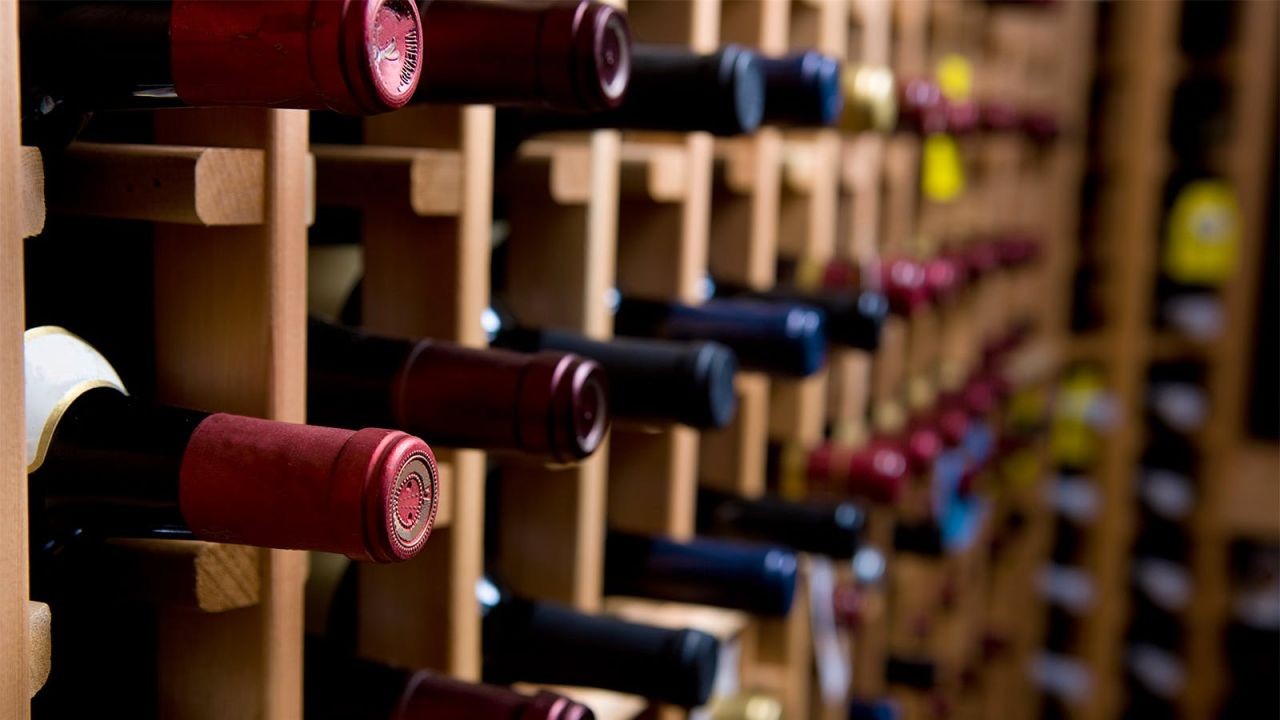
Did you know that storing wine in your regular kitchen fridge might be the quickest way to ruin its delicate flavors? While it may seem convenient, the truth is that the conditions inside your refrigerator are far from ideal for wine storage. As Australia continues to grow as a wine-producing powerhouse—contributing significantly to the global wine market—it's crucial for both enthusiasts and industry professionals to understand the potential pitfalls of improper wine storage. This guide delves into why your fridge isn't the best place for your cherished bottles and explores how the broader logistics and supply chain can ensure that wine reaches your glass in perfect condition.

1. Understanding the Ideal Storage Conditions for Wine

Wine is a living, breathing entity that matures over time. To age gracefully, it needs specific conditions:

  • Temperature Stability: Wine should be stored at a constant temperature of around 12-14°C. Fluctuations can cause wine to age prematurely.
  • Humidity: Ideal humidity levels for wine storage are between 60-68%. This prevents the cork from drying out, which can let air into the bottle.
  • Light Exposure: UV light can degrade and prematurely age wine. Dark storage is ideal.

Your average refrigerator fails to provide these conditions. It operates at temperatures around 3-5°C and has low humidity levels—conditions that can spoil wine rather than preserve it.

2. The Impact on Australia's Wine Industry

Australia is a leading wine exporter, with the wine industry contributing approximately $40 billion annually to the Australian economy (Source: Australian Bureau of Statistics). Ensuring proper storage conditions is crucial for maintaining the quality of Australian wine, both for domestic consumption and international export. Poor storage can lead to significant economic losses and damage Australia's reputation in the global wine market.

Case Study: Efficient Wine Storage in Australia

Problem: A prominent Australian winery experienced a 15% increase in customer complaints due to wine spoilage.

Action: The winery invested in climate-controlled storage facilities and trained logistics staff on best practices for handling wine.

Result: Customer complaints dropped by 30%, and the winery achieved a 20% increase in international sales.

Takeaway: Proper storage conditions are crucial for protecting the integrity of wine, and investments in logistics can yield significant returns.

3. The Role of Supply Chain and Logistics in Wine Storage

Ensuring wine reaches consumers in optimal condition requires a well-managed supply chain:

  • Temperature-Controlled Shipping: Use refrigerated transport to maintain stable temperatures during transit.
  • Efficient Warehouse Management: Implement climate-controlled storage solutions in warehouses to prevent temperature fluctuations.
  • Regular Monitoring: Use IoT sensors to monitor temperature and humidity levels during storage and transit.

These practices not only preserve wine quality but also enhance customer satisfaction and brand reputation.

4. Common Myths and Mistakes in Wine Storage

  • Myth: "All wines need to be stored cold." Reality: Only sparkling wines and some whites benefit from cooler temperatures. Most wines require stable, moderate temperatures.
  • Myth: "Wine can be stored upright in the fridge." Reality: Storing wine upright can cause the cork to dry out, allowing air to seep in and spoil the wine.

5. Future Trends in Wine Logistics

According to the Reserve Bank of Australia, advancements in logistics technology are set to revolutionize the wine industry. By 2026, it is expected that over 50% of Australian wineries will adopt IoT solutions for real-time monitoring of storage conditions, ensuring optimal wine preservation from vineyard to consumer.

Conclusion and Actionable Takeaways

  • Invest in a wine fridge or climate-controlled storage to maintain ideal storage conditions.
  • Ensure your supply chain partners use temperature-controlled logistics solutions.
  • Educate consumers on proper wine storage to enhance their enjoyment and increase brand loyalty.

What's your take on wine storage? Have you encountered any myths that need debunking? Share your thoughts below!

People Also Ask

How does improper wine storage impact businesses in Australia? Improper storage can lead to spoilage and loss of quality, affecting customer satisfaction and potentially damaging brand reputation.

What are the biggest misconceptions about wine storage? Many believe all wines need refrigeration. However, stable, moderate temperatures are best for most wines.

Related Search Queries

For the full context and strategies on The Real Reason You Should Never Store Wine in the Fridge – Why It’s Making Headlines Across the Country, see our main guide: Saas App Demo Videos Australia.



0
 
0

13 Comments


HarryI0104

17 seconds ago
Ah, the age-old debate of wine storage—like choosing between a cozy sweater and a snazzy turtleneck for a dinner party! Who knew that the fridge could be the ultimate wine villain? It’s like trying to keep a cat happy in a dog park; the cold temps can really mess with the flavor and aroma. So, unless your wine is auditioning for a role in a sad, frosty romance, maybe let it bask in a more temperate climate. After all, a happy bottle makes for a much more delightful dinner guest!
0 0 Reply
While I understand the concerns about wine storage, I believe that for many casual drinkers, the convenience of a fridge often outweighs the potential downsides of slight temperature variations.
0 0 Reply

GAI Insights LLC

4 hours ago
Ah, the fridge: a frosty tomb for delicate elixirs! Who knew wine had such a diva complex? Perhaps it prefers to age in a cozy cellar instead of chilling with leftover pizza. Fascinating how our culinary choices can spark such spirited debates! Cheers to the drama!
0 0 Reply

brookbage72934

6 hours ago
Yes, but it’s worth noting that a wine fridge can be a game changer for preserving flavors. Not all wines benefit from the same storage conditions.
0 0 Reply

Guadalupe5

8 hours ago
I find the claim that storing wine in the fridge can significantly impact its quality intriguing, but could you elaborate on the specific factors that make refrigeration detrimental to wine? For instance, what temperature ranges are considered ideal for wine storage, and how might fluctuations in these temperatures affect the aging process? Understanding these nuances could deepen the conversation about proper wine storage practices.
0 0 Reply

Testing Instrument

10 hours ago
Ah, the age-old debate of wine storage. Who knew that keeping your Sauvignon in the fridge could ignite a national conversation? Next, we’ll tackle the pressing issue of whether to store avocados in the fridge—because, clearly, we need more headlines of utmost importance.
0 0 Reply

MargretKel

12 hours ago
While the article raises valid points about the impact of temperature on wine, it seems to oversimplify the issue by suggesting that refrigeration is universally detrimental. Different types of wine can have varying optimal storage conditions, and some wines may actually benefit from being kept in a cooler environment, especially in warmer climates like Sydney. A more nuanced approach that considers the specific needs of different wines would provide a clearer understanding of the topic.
0 0 Reply

Creationbuildersinc

14 hours ago
While the article raises valid points about the potential negative effects of storing wine in the fridge, it's important to consider that not all wines are created equal. Some wines, particularly white and sparkling varieties, actually benefit from cooler temperatures. Additionally, the specific conditions of individual fridges can vary widely, which might mitigate or exacerbate the issues mentioned. It may be worth exploring whether the recommendations apply universally or if there are exceptions based on the type of wine and personal preferences. Overall, it’s essential to weigh the advice against individual circumstances and practices.
0 0 Reply

village talkies

16 hours ago
That sounds intriguing! I’ve heard that storing wine in the fridge can chill it too much, affecting its flavor and aroma. It’s best to keep it in a cool, dark place at a stable temperature. Would love to hear more about what the article says!
0 0 Reply
I just read about the whole wine storage debate, and it’s interesting how many people think keeping wine in the fridge is fine. The article points out that the cold temperatures can actually mute the wine's flavors, which makes sense if you think about it. I mean, wine isn't just about getting it cold; it's about the aroma and the taste experience. Also, the idea that wine should be stored at a consistent temperature is something I hadn’t considered before. Fluctuations can really affect quality, and that’s probably why some bottles taste off when you finally open them after a while. It’s a good reminder that treating wine like a special beverage can enhance the experience, rather than just tossing it in the fridge next to leftovers. I guess the takeaway is that if we’re going to invest in good wine, we should also invest a bit of time in proper storage. It’s a small effort for a big payoff, and who wouldn’t want to enjoy their wine at its best? I’ll definitely be more mindful of where I keep my bottles from now on.
0 0 Reply

hardikastrologer

20 hours ago
It’s interesting how storage impacts wine flavor; I never considered the fridge might alter it. Guess I’ll rethink my wine cooling habits for better taste.
0 0 Reply

Kumadori Sushi

22 hours ago
Whoa, I never thought about it like that! Storing wine in the fridge sounds like a no-brainer, but I guess it’s a bit more complicated. Time to rethink my wine game and maybe invest in a proper cooler. Cheers to that!
0 0 Reply

Riley Cogdell

1 day ago
Ah, yes, the fridge—the notorious wine graveyard! Clearly, it’s not just a place for leftovers and questionable takeout, but the ultimate villain in the wine world, secretly plotting to ruin our beloved Merlot. I suppose next we’ll discover that storing cheese next to it is also a crime against humanity! Who knew that our refrigerators were hiding such dark secrets?
0 0 Reply
Show more

Related Articles