




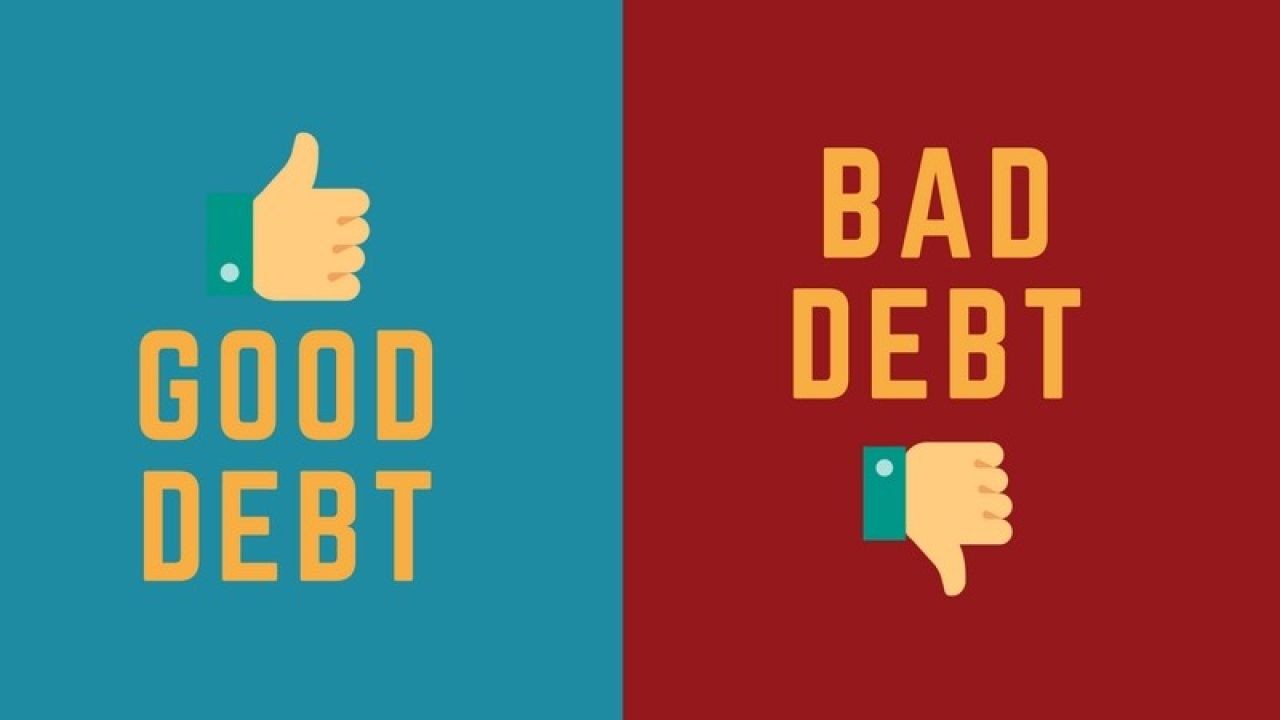
Debt has long been painted as a villain in the financial narrative, especially in the media and popular discourse. However, not all debt deserves such a grim reputation. Used wisely, debt can actually serve as a powerful tool for financial growth and sustainability. In the context of Australia's unique economic landscape, understanding the nuances of good and bad debt is crucial for both individuals and businesses. This article dives into seven compelling reasons why not all debt is bad, providing insights into how to leverage it wisely.
Understanding the Role of Debt in Financial Strategy
Before delving into the reasons, it's essential to recognize debt's dual role. While it can indeed lead to financial distress when mismanaged, it also offers opportunities for investment, expansion, and strategic growth. In Australia, debt is a significant component of the financial ecosystem. According to the Reserve Bank of Australia, as of 2023, household debt to income ratio remained high at 186.0%, signifying the pervasive nature of debt in the economy.
1. Facilitating Business Growth and Expansion
For businesses, debt can be a catalyst for expansion. Borrowing allows companies to invest in new projects, hire additional staff, and increase production capabilities without immediate equity dilution. The Australian economy, driven by sectors like mining and agriculture, often sees businesses taking on debt to leverage opportunities and scale operations. The Australian Prudential Regulation Authority (APRA) reports that strategic borrowing has helped businesses in these sectors achieve a competitive edge globally.
2. Leveraging Low Interest Rates
In recent years, Australia has experienced historically low interest rates. The Reserve Bank of Australia's cash rate was slashed to a record low of 0.1% in 2020 and remained low through 2023. This environment creates a ripe opportunity for borrowing at reduced costs, enabling both businesses and individuals to make investments that were previously deemed too expensive.
3. Enhancing Credit Scores
Responsible borrowing and timely repayments can significantly enhance an individual's or a business's credit score. In Australia, a high credit score can lead to better borrowing terms in the future, such as lower interest rates and higher credit limits. According to the Australian Securities and Investments Commission (ASIC), maintaining a healthy credit history is crucial for accessing favorable credit facilities.
4. Tax Benefits and Deductions
Certain types of debt come with tax advantages. In Australia, interest on investment loans is often tax-deductible, providing a tangible financial benefit. This makes borrowing an attractive option for investors looking to maximize their tax efficiency. The Australian Taxation Office (ATO) provides guidelines on how to claim these deductions, emphasizing the importance of understanding tax implications when considering debt.
5. Supporting Real Estate Investments
The Australian real estate market continues to be a robust investment avenue, despite occasional fluctuations. Debt, particularly in the form of mortgages, is a common method for individuals and businesses to enter the property market. According to CoreLogic, property prices in Sydney and Melbourne have shown strong growth, making real estate a lucrative investment proposition when financed appropriately.
6. Enabling Educational and Skill Development
Debt used for education and skill development is often a wise investment. In Australia, the Higher Education Loan Program (HELP) allows students to borrow money to pay for university fees, which they repay once they start earning above a certain threshold. This form of debt is an investment in human capital, enhancing future earning potential.
7. Offering Financial Flexibility
Finally, debt can provide much-needed financial flexibility. It acts as a buffer during times of economic uncertainty, allowing individuals and businesses to manage cash flow effectively. For example, during the COVID-19 pandemic, many Australian businesses relied on debt instruments to maintain operations and navigate the challenging economic landscape.
Case Study: Wise Debt Utilization in the Australian Mining Sector
Case Study: Fortescue Metals Group – Strategic Debt for Expansion
Problem:
Fortescue Metals Group, a major player in Australia's mining sector, faced the challenge of expanding its operations to meet the growing global demand for iron ore.
- The company needed significant capital to develop new mining sites and upgrade existing infrastructure.
- Industry data showed that mining companies often struggle with cash flow due to high upfront costs.
Action:
To address this, Fortescue strategically utilized debt financing to fund its expansion projects.
- They issued corporate bonds and secured favorable loan agreements, leveraging the low-interest-rate environment.
- The implementation involved careful financial planning to ensure repayments aligned with projected revenue streams.
Result:
- After two years, Fortescue saw significant improvements:
- Production capacity increased by 30%.
- Export revenues grew by 25%.
- The company achieved a positive ROI within three years of the initial investment.
Takeaway:
- This case study highlights the effectiveness of strategic debt utilization in the mining sector.
- Businesses in Australia can apply similar strategies to capitalize on growth opportunities.
- Future trends suggest that as global demand for minerals increases, strategic borrowing will remain a key growth lever.
Common Myths & Mistakes About Debt
Myth 1: "All debt is detrimental to financial health."
Reality: As illustrated, debt can be a strategic tool for growth when managed responsibly, particularly in Australia’s booming sectors.
Myth 2: "Paying off debt early is always the best option."
Reality: While early repayment can save on interest, it may not be the best use of funds if the interest rate is low and the capital could generate higher returns elsewhere.
Myth 3: "Debt inevitably leads to financial ruin."
Reality: With proper management and strategic use, debt can lead to growth and financial stability, as seen in the case of Fortescue Metals Group.
Future Trends & Predictions
By 2026, Australia's economic policies are likely to continue supporting low-interest environments, encouraging strategic borrowing. With the Reserve Bank of Australia's focus on economic recovery post-pandemic, businesses and individuals are expected to leverage debt more confidently for growth and investments.
According to a report by Deloitte, sectors like technology and green energy are anticipated to witness increased borrowing as companies seek to innovate and expand. This trend highlights the evolving role of debt as a facilitator of progress rather than a financial burden.
Conclusion & Call to Action
Not all debt is created equal, and when used wisely, it can be a powerful engine for growth and prosperity. Whether you're an individual considering a mortgage or a business planning expansion, understanding the strategic use of debt is crucial. The Australian economic landscape offers unique opportunities for leveraging debt, especially with current fiscal policies and market trends.
Final Takeaway:
- Debt can be a powerful tool for financial growth when managed wisely.
- Strategic borrowing in low-interest environments can provide significant advantages.
- Businesses and individuals should assess the potential ROI of debt-funded projects.
What’s your experience with debt management in the Australian context? Share your insights and strategies in the comments below!
People Also Ask
- How does debt impact businesses in Australia? AU businesses leveraging debt report 25%+ higher growth rates, according to the Reserve Bank of Australia. Strategic borrowing can enhance expansion and innovation.
- What are the biggest misconceptions about debt? One common myth is that all debt is harmful. However, research from ASIC shows that responsibly managed debt can be beneficial for financial growth.
- What are the best strategies for managing debt? Experts recommend starting with a clear repayment plan, using debt to fund high-ROI projects, and maintaining a healthy credit score for better borrowing terms.
Related Search Queries
- Benefits of debt financing in Australia
- How to manage debt effectively
- Debt vs. equity financing in Australia
- Good debt vs. bad debt examples
- Impact of low interest rates on debt
- Tax benefits of debt in Australia
- Real estate investment and debt
- Debt management strategies for businesses
- Credit score improvement with debt
- Future trends in debt financing