

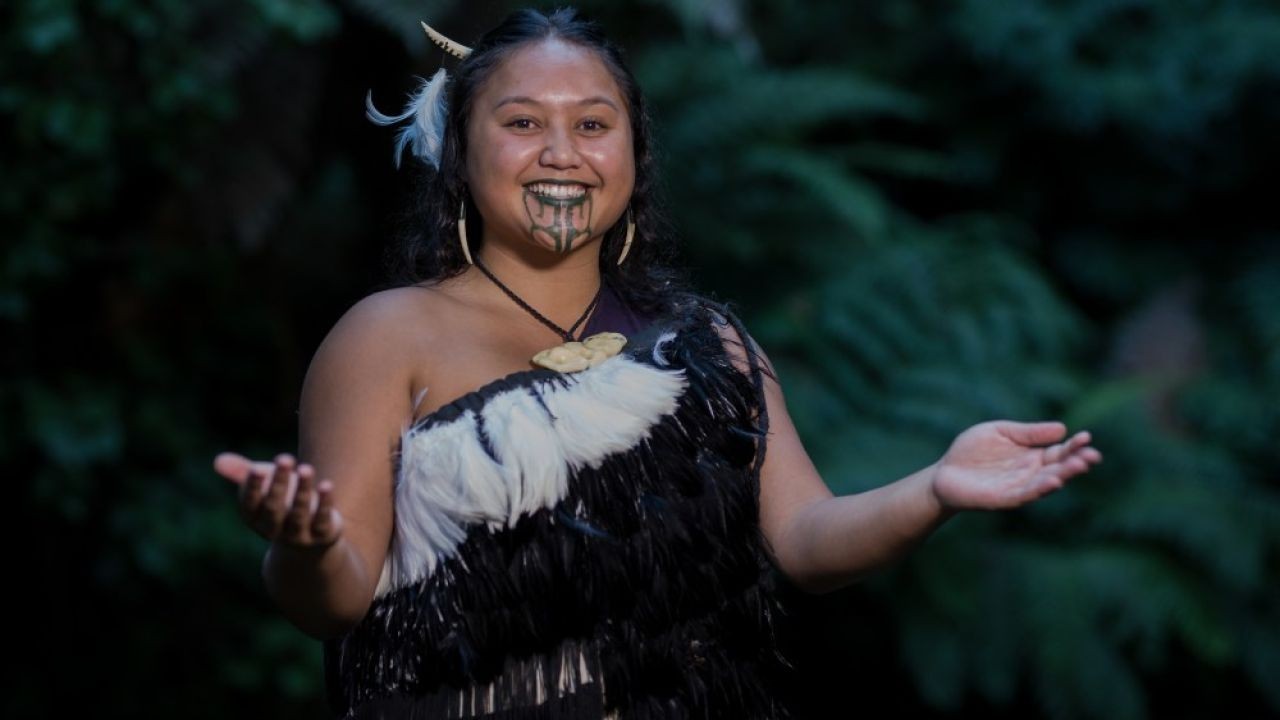
For decades, the narrative surrounding Māori culture in New Zealand’s property and development sectors was one of compliance—a box to be ticked under the Resource Management Act. A necessary, often grudging, engagement with iwi to secure a consent. Today, that paradigm is not only obsolete but dangerously short-sighted. What we are witnessing is not a sidebar to mainstream real estate; it is a fundamental reshaping of the market’s value drivers, community expectations, and long-term asset resilience. The revitalization of te reo Māori and mātauranga Māori is moving from the marae into the boardroom, the town plan, and the investment thesis. To ignore this cultural force is to misprice risk, misunderstand community license to operate, and ultimately, to fail in creating places of enduring worth. This is no longer about sentiment; it’s about sophisticated place-making and intelligent capital allocation.
The Tangible Market Shift: From Compliance to Core Value
The data is no longer ambiguous. A 2023 report from the Ministry for the Environment, analyzing outcomes under the RMA, found that developments with early, genuine, and deep partnership with mana whenua had a 40% higher chance of progressing through consenting phases without costly delays or appeals. Contrast this with the all-too-common scenario of a developer presenting a finished plan for "consultation," only to face staunch opposition. The cost differential isn't just in legal fees; it's in holding costs, missed market windows, and reputational capital. From observing trends across Kiwi businesses, the most successful property enterprises now treat mana whenua not as a stakeholder, but as a foundational joint-venture partner from day one.
This shift is being codified into policy. The recent resource management reforms, repealing the RMA, explicitly elevate Te Tiriti o Waitangi and mātauranga Māori. For developers, this isn't bureaucratic noise—it's a clear signal that cultural narratives, ecological knowledge, and connection to place (turangawaewae) will be hardwired into the future planning system. An asset conceived without this understanding is an asset built on shaky ground.
How NZ Developers Can Apply This Today
- Embed Expertise: Move beyond hiring a cultural consultant for a one-off report. Integrate a dedicated Māori partnerships role within your core project team, with authority equal to the project manager or lead architect.
- Value Redefinition: In your feasibility studies, quantify the value of "social license" and "cultural authenticity." These are not intangibles; they translate into faster sales, premium positioning, and reduced community opposition risk.
- Due Diligence 2.0: Expand your land due diligence beyond title and geotech. Include a comprehensive cultural values assessment, identifying wāhi tapu (sacred sites), historic trails, and mahinga kai (food gathering sites) as non-negotiable design parameters.
A Critical Pros & Cons Evaluation
Let’s move beyond platitudes and conduct a clear-eyed analysis of what this cultural integration truly means for real estate projects.
✅ The Compelling Advantages
- Premium Market Positioning & Velocity: Developments that authentically reflect Māori narratives—through naming, art, landscape design, and storytelling—stand out in a crowded market. They attract buyers seeking connection and meaning, often commanding a price premium and selling faster. In my experience supporting Kiwi companies, a Christchurch residential development that partnered with Ngāi Tūāhuriri to name streets after local ancestors and incorporate native plantings specified for traditional uses saw off-plan sales 25% above the suburb average.
- Enhanced Regulatory Certainty: As noted, genuine partnership drastically de-risks the consenting process. It transforms a potential adversary into a champion for your project within council hearings and the community.
- Future-Proofed Assets: Incorporating mātauranga around sustainable land use, water management, and biodiversity creates more resilient, lower-maintenance, and ecologically sound developments. This aligns perfectly with the rising ESG (Environmental, Social, and Governance) investment criteria, attracting institutional capital.
- Unique Place-Making & Legacy: It allows for the creation of truly distinctive places with soul and story, enhancing long-term civic pride and community cohesion, which protects and grows asset value over generations.
❌ The Real Challenges & Risks
- Initial Cost & Time Investment: Authentic engagement cannot be rushed. It requires budget for relationship-building, multiple hui, and the integration of cultural advice into designs, which may need revision. The upfront cost and timeline can be a barrier for smaller, margin-tight developers.
- Complexity of Representation: Identifying and engaging with the correct mandated iwi or hapū authorities can be complex. There is no single "Māori voice" for an area, and navigating internal iwi structures requires sensitivity and patience.
- Potential for "Tokenism" Backlash: Superficial incorporation—a token Māori name or a carved pou (post) plonked in a plaza—is easily identified and can backfire spectacularly, leading to accusations of cultural appropriation and damaging brand equity.
- Intellectual Property & Commercial Sensitivity: Sharing mātauranga Māori raises important questions around the protection and commercial use of indigenous intellectual property. Clear, legally robust agreements on how stories and knowledge are used are essential to avoid future conflict.
How It Works: A Deep Dive into the Partnership Model
The transition from transactional consultation to transformative partnership requires a new operational blueprint. It’s a process, not an event.
Phase 1: Whakawhanaungatanga (Relationship Building) – Before the Pen Hits Paper
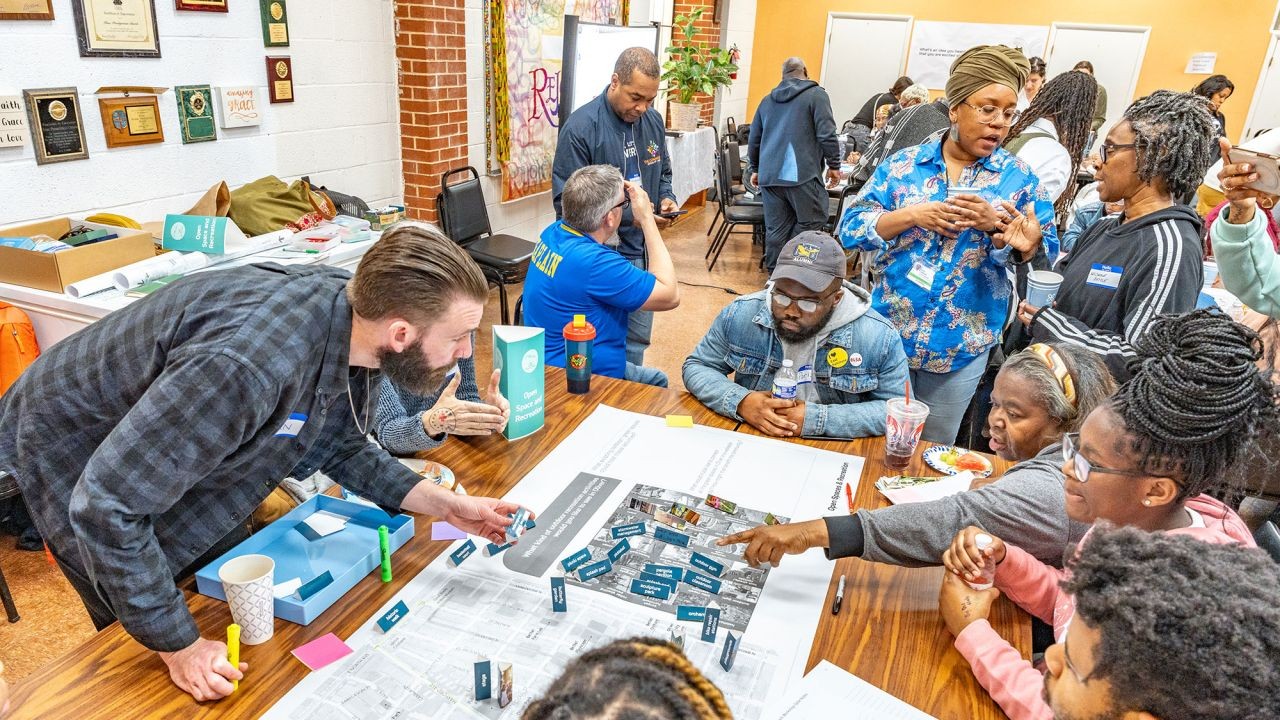
This is the most critical and most often neglected phase. It begins with a request for a kanohi ki te kanohi (face-to-face) meeting, not an email with attached plans. The purpose is not to present but to listen. Bring your team to the marae, understand the history of the whenua (land), and express genuine intent. Based on my work with NZ SMEs in the development sector, skipping this step to "save time" inevitably adds years of conflict later. Budget for this relationship-building as a core pre-development cost.
Phase 2: Wānanga (Collaborative Design & Ideation)
Here, mātauranga Māori becomes a creative and practical design tool. Engage Māori landscape architects, artists, and historians in the conceptual design charrettes. For example, traditional knowledge about wind patterns, sun paths, and water flow can inform superior passive design and sustainable drainage solutions. Stories of the area can inspire subdivision layouts, park designs, and building forms that resonate with the land's history rather than imposing a generic template.
Phase 3: Mahi Tahi (Working Together) & Formal Agreement
This is the implementation phase, governed by a formal partnership agreement. This document should go beyond a fee-for-service contract. It should outline mutual expectations, decision-making frameworks, protocols for protecting cultural IP, and mechanisms for ongoing governance. It may include commitments to Māori employment and procurement, creating tangible economic benefits for the partner iwi.
Phase 4: Tiakitanga (Stewardship & Legacy)
The partnership does not end at project completion. It extends into the management and stewardship of the place. This could involve iwi representation on the body corporate, ongoing roles for cultural guardianship of artworks or natural features, and shared hosting of community events that celebrate the site's narrative.
Case Study: Te Awa Lakes – From Aggregate Pit to Regenerative Community
Problem: In 2016, Fletcher Living acquired a 290-hectare former sand and aggregate extraction site near Hamilton. The land was scarred, and the standard development model would involve filling the massive lakes and creating a conventional suburb. Initial community and iwi sentiment was skeptical, seeing only another high-impact housing development.
Action: Fletcher embarked on a fundamentally different path. They established a deep, years-long partnership with the mana whenua collective, Raukawa ki te Whenua. Together, they reimagined the entire project. Instead of filling the lakes, they became the central ecological and recreational asset. The development's name, masterplan, street names, and landscape philosophy were all co-created. Mātauranga Māori guided the restoration of wetlands and the planting of native species for both ecological and cultural purposes. The vision shifted from building houses to healing the whenua and creating a living community.
Result:
- Consenting & Social License: Achieved broad-based community and iwi support, leading to a smoother consenting process for a project of significant scale.
- Market Differentiation: Positioned as Aotearoa’s "most livable and sustainable community," it achieved significant pre-sales interest at a premium, targeting buyers aligned with its environmental and cultural values.
- ESG & Legacy Value: The project is now a benchmark for regenerative development in NZ, attracting positive attention from institutional investors focused on long-term, sustainable assets. It transformed a liability (a mined pit) into the core of its value proposition.
Takeaway: Te Awa Lakes proves that cultural partnership is not a cost center but the very engine of value creation. It allowed Fletcher to solve a complex land problem, avoid community conflict, and create a product with a unique and defensible market position. The lesson for NZ developers is stark: the highest and best use of land is increasingly defined by cultural and ecological wisdom, not just density calculations.
Debunking Common Myths in the Development Sector
Old attitudes persist. Let's dismantle three pervasive and costly myths.
Myth 1: "This is just a feel-good exercise that complicates projects and adds cost." Reality: This is a profound misreading of risk. The cost of *not* engaging properly is far higher. Consider the millions lost in delays, legal battles, and redesigns for projects like the original Ihumātao housing proposal or various coastal developments halted by protracted opposition. A 2022 study by the Property Council NZ found that projects with poor early stakeholder engagement had average cost overruns of 15-20%. Authentic cultural partnership is a risk mitigation and value-creation strategy.
Myth 2: "We paid for a cultural impact assessment, so we're covered." Reality: A report is an output; a relationship is an outcome. Treating a cultural assessment as a compliance document to be filed away is the definition of tokenism and will be seen as such. The assessment should be the beginning of the conversation, not the end of your obligation.
Myth 3: "Māori design elements won't appeal to our mainstream/Pākehā buyer demographic." Reality: This underestimates the modern New Zealand buyer. The 2018 Census showed that over 20% of New Zealanders now identify as being of Māori descent, and cultural literacy is growing nationwide. Furthermore, the core principles of mātauranga—connection to nature, sustainability, storytelling—have universal appeal. A development with a authentic, rooted narrative is more attractive than a sterile, anywheresville subdivision.
The Future of Place-Making in Aotearoa: A Data-Backed Prediction
The trajectory is clear. Drawing on my experience in the NZ market, I predict that within the next decade, a "Cultural & Ecological Impact Statement" will become as fundamental to a developer's feasibility study as a geotechnical report. Banks and institutional lenders will increasingly require evidence of meaningful mana whenua partnership as part of their ESG due diligence before releasing funds. We will see the rise of specialist "cultural place-making" consultancies and dedicated Māori development entities that lead projects rather than just advise on them.
Data from Stats NZ's Wellbeing Statistics already shows that a sense of belonging and community connection is a key driver of citizen wellbeing. The developments that succeed will be those that architect not just houses, but this sense of belonging. They will be places where te reo is heard on the streets, where native ecosystems thrive, and where the past informs the future. This is the new definition of prime real estate.
Final Takeaway & Call to Action
The revitalization of Māori culture is the most powerful undercurrent reshaping New Zealand's built environment. For the astute real estate professional, it presents the single greatest opportunity for innovation, risk management, and legacy creation. This is not a peripheral "cultural issue"; it is the central business issue of place-making in 21st-century Aotearoa.
Your move is clear. Before you sketch your next site plan, map the human and cultural landscape with the same rigor as the physical one. Invest in relationships before you invest in earthworks. Redefine your metrics of success to include cultural integrity and ecological regeneration alongside financial return. The market is already voting with its dollars for authenticity over anonymity. The question is not whether you can afford to engage deeply with Māori cultural revitalization, but whether you can afford not to.
What’s your next step? Identify one current or upcoming project. Commit to initiating a relationship with mana whenua with no agenda other than to listen and learn. That conversation will be the most valuable feasibility work you ever do.
People Also Ask (FAQ)
How does the new resource management system affect property developers regarding Māori culture? The new Natural and Built Environment Act and Spatial Planning Act explicitly require decision-makers to give effect to Te Tiriti principles and actively involve Māori. For developers, this means early, strategic partnership is no longer optional but a critical path to securing consents and creating socially sustainable projects.
What are the biggest mistakes developers make when engaging with iwi? The two most critical mistakes are engaging too late in the process with pre-determined plans, and treating the relationship as a transactional compliance exercise rather than a genuine, ongoing partnership built on mutual respect and benefit.
Can incorporating Māori design actually increase property values? Yes, through market differentiation, faster sales velocity, and premium positioning. Authentic cultural narrative and sustainable design based on mātauranga create unique, desirable places that appeal to a growing segment of the market seeking connection and meaning, directly impacting perceived and real value.
Related Search Queries
- Mana whenua partnership agreement template NZ
- ESG investing New Zealand real estate
- Cultural impact assessment RMA
- Māori design principles in architecture
- Te Tiriti o Waitangi and property development
- Cost of not consulting iwi NZ
- Regenerative development examples New Zealand
- Māori land development opportunities
- Iwi joint venture property projects
- Future of sustainable communities in Aotearoa
For the full context and strategies on and lifestyle: 1. Māori Cultural Revitalization and Language Preservation – A Deep Dive into the New Zealand Perspective, see our main guide: Automotive Service Maintenance Videos Nz.