




In the vibrant world of art, where creativity meets commerce, the challenge for many artists isn't just creating compelling work but effectively marketing and selling it. Consider the case of Emma, a talented painter from Melbourne. Despite her remarkable talent, Emma found her sales stagnating, not because of her art's quality, but due to her marketing missteps. This article delves into six common art marketing mistakes that can hinder artists from achieving commercial success, providing actionable insights to transform your art business.
Understanding the Australian Art Market
The Australian art market is a dynamic landscape influenced by economic factors and cultural trends. According to the Australian Bureau of Statistics, the arts and recreation services industry contributed over AUD 15 billion to the economy in 2022. The rise of digital platforms and the shifting consumer preferences towards online art purchases present both opportunities and challenges for artists.
Mistake 1: Neglecting Online Presence
Emma's first mistake was underestimating the power of an online presence. In today's digital age, failing to showcase art online is akin to setting up an exhibition in an unvisited gallery. Artists should leverage platforms like Instagram and personal websites to reach a wider audience. According to the Australian Competition & Consumer Commission (ACCC), online sales in Australia increased by 19% in 2023, highlighting the growing importance of digital presence.
Case Study: Leveraging Instagram for Success
Consider the example of Sydney-based artist, Mia, who increased her art sales by 40% in just six months. Mia strategically used Instagram to showcase her work, engage with followers, and even conduct live art sessions. This digital strategy not only expanded her reach but also established her brand identity, proving the effectiveness of a robust online presence.
Mistake 2: Ignoring Target Audience Insights
Emma's second mistake was not understanding her audience. Artists often assume their art will appeal to everyone, but targeted marketing is crucial. Identifying and understanding your audience's preferences can significantly enhance engagement and sales. Tools like Google Analytics and audience surveys can provide invaluable insights into consumer behavior.
Mistake 3: Poor Pricing Strategy
Setting the right price for artwork is both an art and a science. Emma struggled with pricing her art, often undervaluing her work. According to a report by the Reserve Bank of Australia, pricing too low can devalue art in the eyes of buyers, while excessively high prices may deter potential customers. Artists should consider factors like production costs, market demand, and competitor pricing to set a fair price.
Mistake 4: Inconsistent Branding
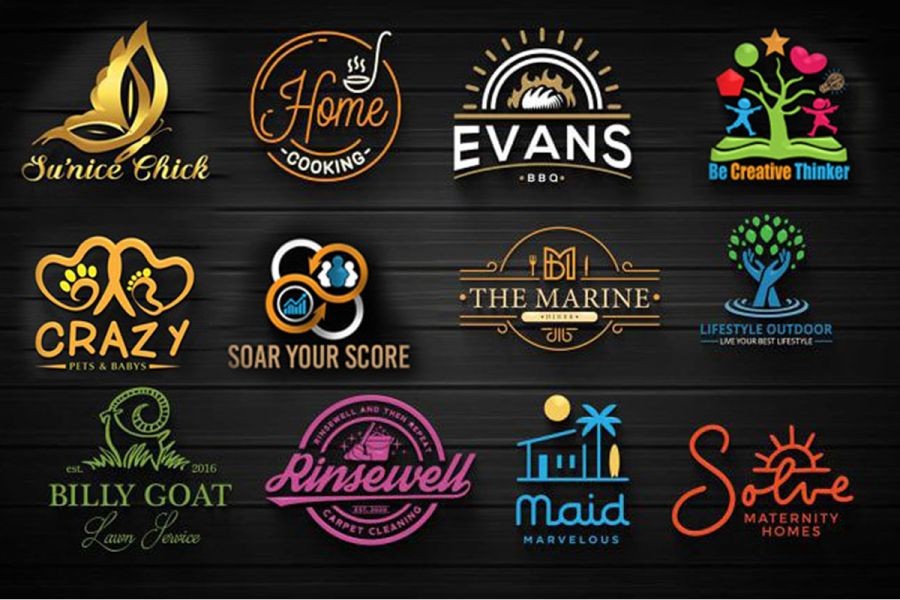
Branding goes beyond logos and business cards; it’s about creating a consistent message and image across all platforms. Emma's branding was inconsistent, which confused her audience. A strong, cohesive brand helps build trust and recognition, essential for long-term success in the art world.
Mistake 5: Lack of Strategic Partnerships
Collaborations and partnerships can open new avenues for artists. Emma missed opportunities to collaborate with local galleries and art fairs, limiting her exposure. Partnering with businesses and other artists can lead to joint exhibitions and shared audiences, amplifying reach and sales potential.
Case Study: Collaboration for Growth
Take the example of the Brisbane-based artist collective, ArtConnect. By partnering with a local interior design firm, they showcased their art in model homes, reaching a new audience and increasing sales by 30%. This strategic partnership exemplifies how collaborations can expand market reach.
Mistake 6: Failing to Utilize Data and Feedback
Emma rarely sought feedback, missing out on valuable insights. Data and feedback are crucial for refining marketing strategies and understanding what resonates with your audience. Implementing feedback loops through surveys or social media polls can provide actionable data to improve offerings and customer satisfaction.
Pros and Cons of Data-Driven Approaches
- Pros: Informed decision-making, improved customer engagement, and optimized marketing strategies.
- Cons: Time-consuming data analysis and potential privacy concerns.
Future Trends in Art Marketing
Looking ahead, the integration of AI in art marketing is set to revolutionize the industry. AI tools can personalize marketing strategies, analyze consumer data, and predict market trends. According to a report by Deloitte, AI-driven marketing can increase conversion rates by up to 35%, offering a competitive edge to artists who adopt these technologies.
Conclusion: Transforming Your Art Business
In the ever-evolving art market, avoiding these common pitfalls can significantly enhance your success. By establishing a strong online presence, understanding your audience, setting fair prices, maintaining consistent branding, forming strategic partnerships, and utilizing data effectively, artists can improve their market reach and sales. Emma's journey highlights the importance of adapting to market trends and leveraging strategic insights for sustainable growth.
What marketing strategies have worked for your art business in Australia? Share your thoughts and experiences in the comments below!
People Also Ask (FAQ)
- How does a strong online presence impact art sales in Australia? A robust online presence can significantly expand an artist's reach and sales, with digital platforms accounting for 19% of increased online sales in 2023, according to the ACCC.
- What are the biggest misconceptions about art pricing? A common myth is that lower prices attract more buyers. However, undervaluing art can devalue it, as highlighted in a Reserve Bank of Australia report.
- What strategies can artists use to improve branding? Consistent messaging across platforms, unique brand identity, and professional visuals are crucial for effective art branding.
Related Search Queries
- Art marketing strategies for Australian artists
- How to sell art online in Australia
- Understanding art pricing in the Australian market
- Building an online presence for artists
- Effective branding for artists
- Art collaborations and partnerships in Australia
- Data-driven marketing for artists
- Future trends in art marketing