





New Zealand’s real estate market has long been a topic of interest for investors, homebuyers, and policymakers alike. With its picturesque landscapes and thriving cities, the country continues to attract both domestic and international buyers. However, beneath the allure of 'affordable' suburbs lies a complex web of hidden costs that could significantly impact your investment. As a sustainability consultant, understanding these hidden expenditures is crucial for making informed decisions that align with both financial and environmental goals.
In this article, we will delve into the intricacies of purchasing a home in New Zealand’s affordable suburbs, unraveling the hidden costs, exploring real-world case studies, and providing actionable insights tailored to New Zealand’s unique context. By examining the interplay between economics, sustainability, and real estate, we aim to equip you with the knowledge needed to navigate this complex landscape successfully.
The Economic Landscape in New Zealand
Before diving into the hidden costs, it’s essential to understand the economic landscape influencing New Zealand’s real estate market. According to Stats NZ, New Zealand’s residential property prices increased by 27% in 2024, reflecting a robust demand driven by population growth and urbanization. The Reserve Bank of New Zealand’s policies on interest rates also play a significant role in shaping affordability, making it imperative for buyers to consider the macroeconomic factors at play.
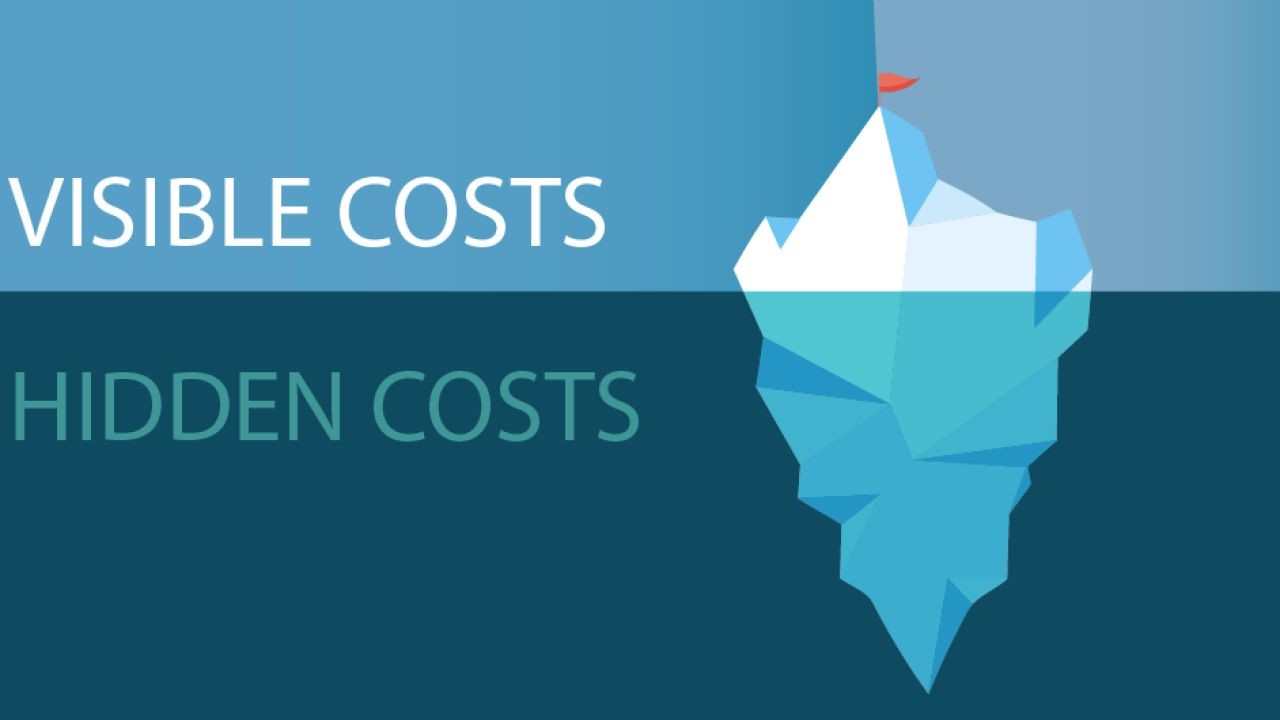
Unveiling the Hidden Costs
While the initial purchase price is the most apparent cost when buying a home, several hidden expenses can significantly impact your investment:
- Legal and Administrative Fees: These include conveyancing fees, mortgage registration fees, and local council rates, which can add up to 5% of the home’s value.
- Maintenance and Repairs: Older homes often require significant upkeep, and in New Zealand’s wetter climates, issues like mold and dampness are common.
- Insurance: Home insurance premiums in areas prone to natural disasters, such as earthquakes or floods, can be substantially higher.
- Transportation Costs: Affordable suburbs might be further from employment hubs, leading to increased transportation costs and time.
- Environmental Impact: Homes in certain areas might require additional measures to ensure energy efficiency and sustainability, aligning with New Zealand’s environmental goals.
Case Study: The Real Cost of Affordable Suburbs
Case Study: Auckland’s Outskirts – The Reality of Suburban Living
Problem: Sarah, an environmental consultant, purchased a home in the outskirts of Auckland, attracted by the lower property prices. However, she soon faced unexpected costs such as high transportation expenses and considerable energy bills due to the home’s poor insulation.
Action: To mitigate these costs, Sarah invested in sustainable home improvements such as better insulation and solar panels. She also opted for public transport to reduce her carbon footprint and commuting expenses.
Result: Over two years, Sarah reduced her energy bills by 30% and transportation costs by 25%, turning her home into a more sustainable and financially viable investment.
Takeaway: This case study underscores the importance of considering both financial and environmental factors when choosing a home. Sustainable improvements can lead to long-term savings and align with New Zealand’s commitment to reducing carbon emissions.
Pros vs. Cons of Buying in Affordable Suburbs
Pros:
- Lower Entry Costs: Attractive for first-time buyers and investors looking for affordable entry points.
- Potential for Appreciation: Suburbs experiencing growth can offer significant return on investment over time.
- Community Development: Affordable suburbs often have vibrant, growing communities with opportunities for engagement.
- Space and Tranquility: Larger plots and quieter environments compared to urban centers.
Cons:
- Hidden Expenses: Maintenance, insurance, and transport costs can erode affordability.
- Limited Amenities: May lack immediate access to amenities like schools, hospitals, and shopping centers.
- Long Commute Times: Distance from work hubs can increase daily travel times and costs.
- Environmental Concerns: Homes may require additional investment to meet sustainability standards.
Future Trends & Predictions
As New Zealand continues to prioritize sustainability, future trends in the real estate market are likely to focus on eco-friendly developments. According to a report by the Ministry of Business, Innovation and Employment (MBIE), there is an increasing demand for homes that incorporate green technology and sustainable building practices. By 2030, it is predicted that over 50% of new homes in New Zealand will integrate solar energy systems and energy-efficient designs.
Furthermore, as remote work becomes more prevalent, the demand for homes in outer suburbs may increase, making these areas more desirable and potentially driving up property values. However, this shift also emphasizes the need for improved infrastructure and public transport systems to support growing populations.
Common Myths & Mistakes
Myth vs. Reality
- Myth: "Buying a home is always cheaper than renting." Reality: In many cases, renting can be more cost-effective when considering hidden homeownership costs.
- Myth: "All suburbs are equally affordable." Reality: Each suburb has unique costs associated with commuting, maintenance, and local amenities.
- Myth: "Newer homes don’t require maintenance." Reality: Even new builds can incur unexpected costs due to unforeseen issues or the need for upgrades.
Final Takeaways
- Consider both financial and environmental factors when purchasing a home in New Zealand.
- Invest in sustainable home improvements to reduce long-term costs and align with environmental goals.
- Assess the hidden costs associated with affordable suburbs, including transportation and maintenance expenses.
- Stay informed about future trends, such as the rise in eco-friendly developments and the impact of remote work on suburban desirability.
Conclusion
As a sustainability consultant, navigating the hidden costs of buying a home in New Zealand’s affordable suburbs requires a comprehensive understanding of both financial and environmental implications. By considering these factors, you can make informed decisions that align with both personal and broader sustainability goals. Ready to explore sustainable living options? Consider starting with energy-efficient home improvements and engaging with local community initiatives to make the most of your suburban investment.
People Also Ask (FAQ)
- How does buying a home in affordable suburbs impact sustainability? Investing in energy-efficient upgrades can significantly reduce your carbon footprint and align with New Zealand's sustainability goals.
- What are the biggest misconceptions about affordable suburbs? Many believe these suburbs lack hidden costs, but expenses like transportation and maintenance can quickly add up.
- What are the best strategies for buying a home in New Zealand? Focus on assessing all associated costs, prioritize sustainability, and consider future infrastructure developments in the area.
Related Search Queries
- Affordable homes in New Zealand
- Hidden costs of buying a house
- Sustainable housing in NZ
- Best suburbs to buy in New Zealand
- New Zealand real estate market trends
- Eco-friendly home improvements NZ
- Cost of living in NZ suburbs
- New Zealand housing policies
- Suburban living in NZ
- Green technology in real estate