





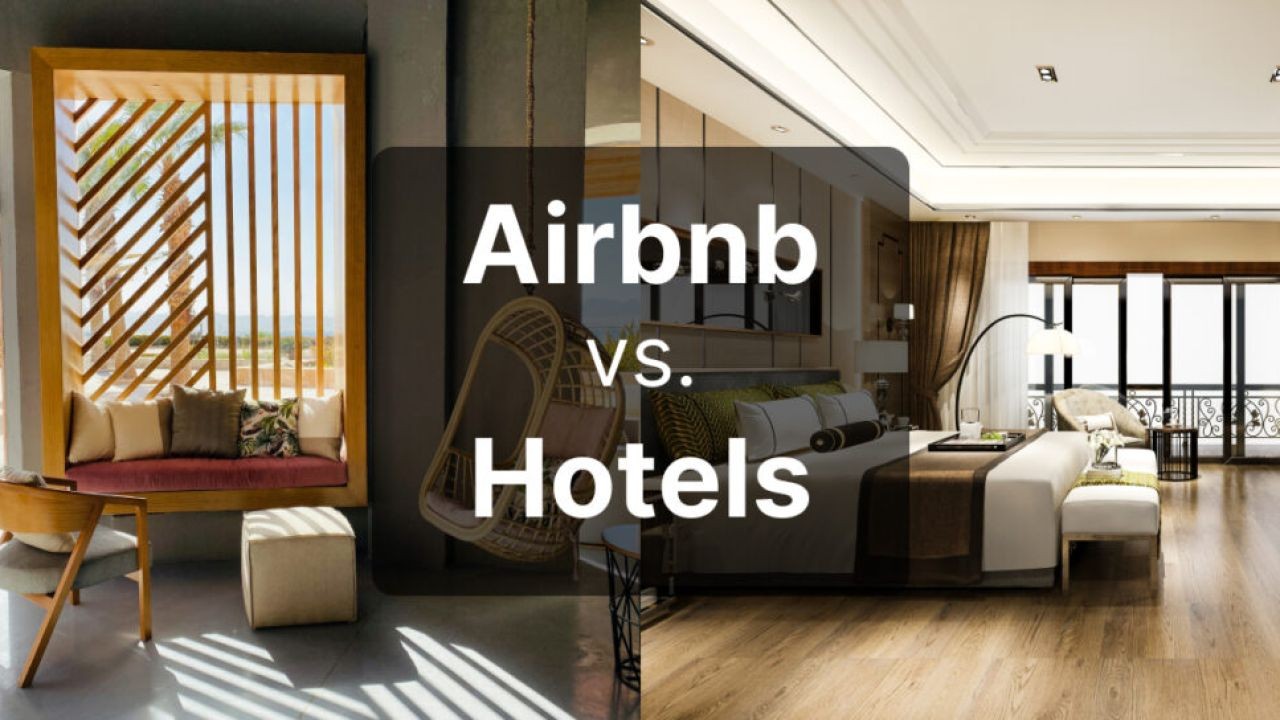
In the bustling landscape of Australia’s tourism sector, a pivotal question has emerged: Are Australians really getting the best value from Airbnb compared to traditional hotels? With the rise of the sharing economy, Airbnb has become a household name, promising unique experiences and competitive prices. Yet, as the hospitality industry evolves, evaluating where true value lies becomes increasingly complex. In this article, we delve into the intricate dynamics between Airbnb and hotels, backed by data-driven insights and expert opinions, to uncover where Australians are truly finding value.
The Rise of Airbnb in Australia
Since its inception, Airbnb has tapped into the growing demand for personalized travel experiences. According to the Australian Bureau of Statistics (ABS), the number of Airbnb listings in major cities like Sydney and Melbourne has surged, reflecting a broader shift towards peer-to-peer accommodation. This trend is largely driven by Millennials and Gen Z, who prioritize authenticity and affordability in their travel experiences.
Jill Smith, a tourism analyst at the University of Sydney, notes, “Airbnb's appeal lies in its ability to offer tailored experiences that hotels often cannot match. This is particularly attractive to younger travelers looking for immersive stays.”
Hotels: The Traditional Powerhouses
Despite the rise of Airbnb, hotels remain a dominant force in the hospitality industry. Renowned for their consistent service, amenities, and prime locations, hotels cater to a wide range of travelers, from business professionals to luxury seekers. According to a report by Deloitte, the hotel industry in Australia has seen steady growth, with revenue per available room (RevPAR) increasing by 3.5% in 2023.
Richard Thompson, the CEO of a leading hotel chain in Australia, emphasizes, “Hotels offer a level of predictability and security that is unmatched. For many travelers, especially business ones, this is non-negotiable.”
Case Study: Sydney’s Accommodation Landscape
Sydney, Australia’s tourism hub, provides a compelling case study for the Airbnb vs. hotel debate. In 2022, Airbnb listings in Sydney increased by 12%, according to SQM Research. However, this growth came with challenges, including regulatory scrutiny and community backlash over housing affordability.
The New South Wales government responded by implementing stricter regulations on short-term rentals, aiming to balance the interests of tourists and local residents. This regulatory environment contrasts with hotels, which adhere to well-established compliance standards.
Pros and Cons: Airbnb vs. Hotels
- Pros of Airbnb: Personalized experiences, often lower costs, and unique locations.
- Cons of Airbnb: Variable quality, potential regulatory issues, and lack of standard amenities.
- Pros of Hotels: Consistent service, comprehensive amenities, and safety standards.
- Cons of Hotels: Higher costs, less personalized experiences, and limited flexibility.
Implications for Australia’s Economy
The ongoing competition between Airbnb and hotels has significant economic implications. On one hand, Airbnb has democratized travel, encouraging a broader demographic to explore Australia. On the other hand, the hotel industry remains a cornerstone of the economy, providing employment and contributing to local infrastructure development.
The Reserve Bank of Australia (RBA) highlights that the hospitality sector is a key driver of economic growth, with hotels playing a crucial role in urban and regional development. As the industry navigates these competing forces, policymakers face the challenge of fostering innovation while ensuring fair market practices.
The Future of Accommodation in Australia
Looking ahead, the accommodation landscape in Australia is poised for further transformation. Technological advancements, such as AI-driven pricing models and contactless check-ins, are reshaping both Airbnb and hotel offerings. Additionally, sustainability initiatives are gaining traction, with eco-friendly accommodations becoming increasingly popular among environmentally conscious travelers.
According to a forecast by McKinsey & Company, by 2030, 50% of all accommodations in Australia will incorporate sustainable practices, driven by consumer demand and regulatory pressure.
Conclusion
As Australians continue to weigh the benefits of Airbnb against traditional hotels, it’s evident that both options offer distinct value propositions. For those seeking authenticity and affordability, Airbnb provides a compelling choice. Meanwhile, travelers prioritizing consistency and security may find hotels more appealing. Ultimately, the decision hinges on individual preferences and priorities.
As the accommodation sector evolves, staying informed about trends and regulatory changes is crucial for both consumers and industry stakeholders. What’s your take on the Airbnb vs. hotel debate? Share your insights below!
People Also Ask
- How does Airbnb impact the Australian economy? Airbnb contributes to the economy by attracting diverse travelers and supporting local businesses. However, it also raises concerns about housing affordability and regulatory compliance.
- What are the biggest misconceptions about Airbnb? One common myth is that Airbnb is always cheaper than hotels. In reality, costs can vary significantly based on location and timing.
- What are the best strategies for choosing between Airbnb and hotels? Consider factors like budget, desired experience, and location. Research reviews and compare amenities to make an informed decision.
Related Search Queries
- Airbnb vs. hotels 2024
- Best Airbnb locations in Australia
- Hotel industry trends Australia
- Airbnb regulations in Australia
- Sustainable hotels in Sydney