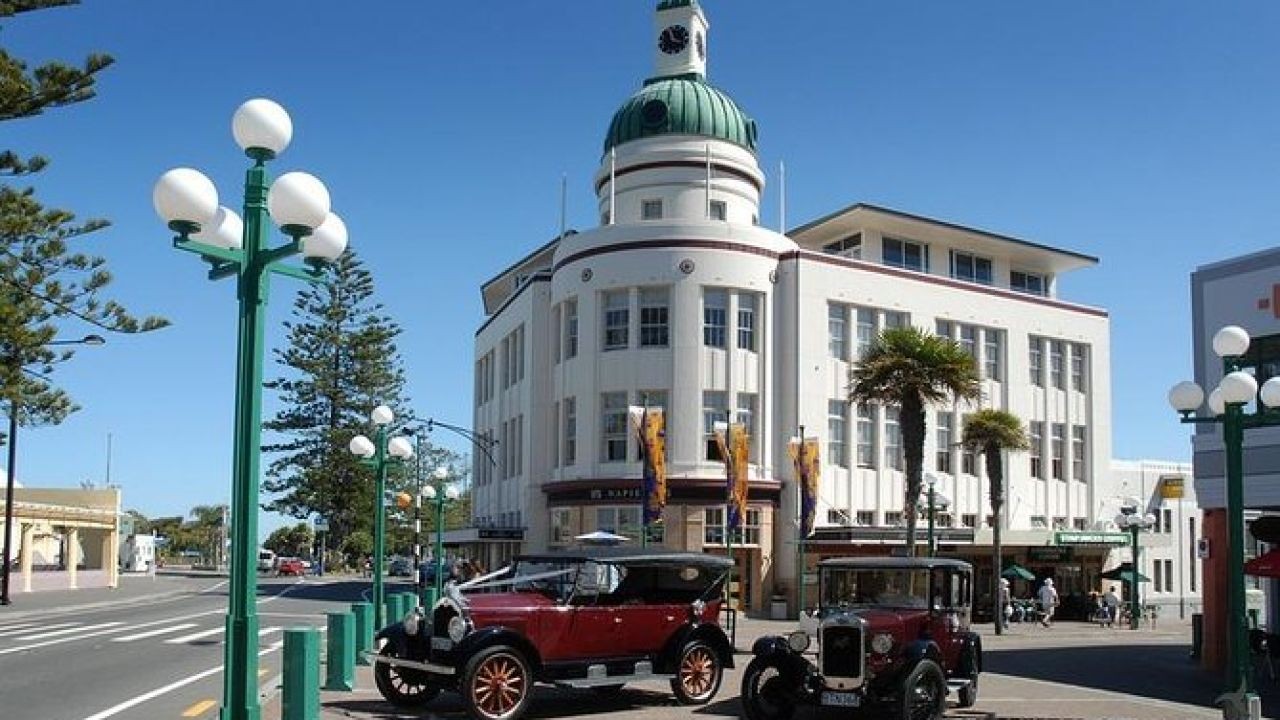






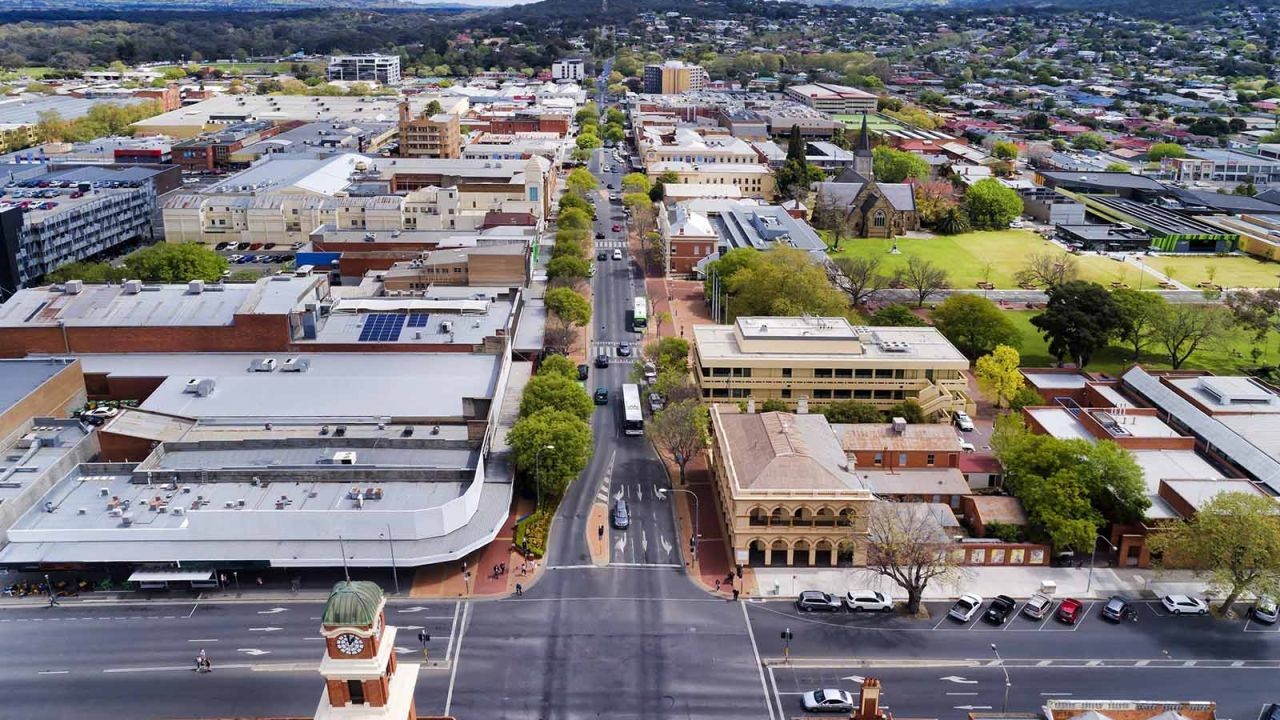
Australia is witnessing a significant demographic shift, with more citizens seeking to trade the hustle and bustle of urban centers for the tranquility of regional areas. This move is not just a fleeting trend but a fundamental change in lifestyle preferences driven by economic factors, technological advances, and a quest for a better quality of life. By 2030, regional Australia could see a substantial population surge, driven by several compelling factors.
1. Affordable Housing: A Key Driver
Housing affordability remains a critical concern in major Australian cities. According to the Australian Bureau of Statistics (ABS), the median house price in Sydney is more than double that of many regional areas. This stark difference is pushing individuals and families to consider relocating to areas where their money goes further, allowing them to own property without the financial burden that city living often entails.
2. Remote Work Revolution
The COVID-19 pandemic has accelerated the acceptance and implementation of remote work. Many companies now offer flexible working arrangements, enabling employees to work from virtually anywhere. This shift has made regional areas more attractive, as people no longer need to live close to their offices. The Reserve Bank of Australia (RBA) reports that industries embracing remote work have seen increased productivity, suggesting that this trend will likely continue.
3. Enhanced Infrastructure and Connectivity
Recent investments in infrastructure have significantly improved connectivity in regional areas, making them more accessible than ever. The Australian government's commitment to expanding the National Broadband Network (NBN) ensures that regional areas have internet speeds comparable to urban centers, supporting both work and lifestyle needs.
4. Better Lifestyle and Wellbeing
Many Australians are seeking a slower pace of life that prioritizes wellbeing. Regional areas offer a community-oriented lifestyle with greater access to nature, less congestion, and lower crime rates. This shift towards valuing quality of life over the conveniences of city living is driving the migration trend.
5. Economic Opportunities in Regional Areas
Contrary to popular belief, regional areas are not devoid of economic opportunities. Industry growth in sectors such as agriculture, renewable energy, and tourism is creating jobs and attracting skilled professionals. The Australian Competition & Consumer Commission (ACCC) has noted a rise in entrepreneurial activities in these regions, further spurred by government incentives for regional development.
Case Study: Bendigo, Victoria – A Regional Success Story
Problem: Bendigo, a city in Victoria, faced challenges with youth migration to larger cities due to limited career opportunities.
Action: In response, Bendigo launched initiatives to foster local businesses and improve education and training facilities. The introduction of technology hubs and partnerships with universities aimed to retain talent.
Result: By 2023, Bendigo saw a 20% increase in local employment rates and a significant boost in population retention. The city reported a 35% rise in new business registrations.
Takeaway: Bendigo's proactive approach demonstrates how regional areas can thrive by capitalizing on local strengths and fostering innovation.
Myth Busting: Common Misconceptions about Regional Living
- Myth: Regional areas lack amenities and services. Reality: Many regional areas now boast amenities comparable to urban centers, including healthcare, education, and cultural activities.
- Myth: Job opportunities are scarce in regional areas. Reality: Industries such as agriculture, mining, and renewable energy are thriving, offering diverse career options.
- Myth: Internet connectivity is poor outside of cities. Reality: The expansion of the NBN has greatly improved internet services, supporting both professional and personal needs.
Pros and Cons of Moving to Regional Areas
✅ Pros:
- Cost-effective living with more affordable housing options.
- Improved quality of life with less pollution and congestion.
- Increasing job opportunities in emerging regional industries.
- Strong community ties and a supportive environment.
❌ Cons:
- Potential limited access to specialized healthcare services.
- Fewer entertainment and cultural activities compared to major cities.
- Initial adjustment period required for those accustomed to city living.
Future Trends and Predictions
By 2030, it is expected that up to 30% of Australians living in capital cities will consider moving to regional areas, driven by the factors mentioned above. The CSIRO forecasts that advancements in technology and continued infrastructure investments will further enhance the appeal of regional living. As more Australians prioritize lifestyle and wellbeing, regional areas are poised to become vibrant hubs of innovation and growth.
Conclusion
The migration to regional areas in Australia is more than a passing trend; it reflects a significant shift in societal values and economic realities. For those considering a move, regional areas offer compelling benefits that align with contemporary lifestyle aspirations. As technology and infrastructure continue to evolve, regional living will increasingly become a viable and attractive option for many Australians. What’s your perspective on this growing trend? Share your thoughts below!
People Also Ask
- How does moving to regional areas impact the Australian economy? The shift to regional areas can stimulate local economies by increasing demand for services and creating job opportunities, thereby diversifying Australia's economic landscape.
- What are the biggest misconceptions about living in regional Australia? Many believe that regional areas lack amenities and opportunities, but recent developments have significantly improved infrastructure and job prospects in these regions.
Related Search Queries
- Why are people moving to regional areas in Australia?
- Benefits of living in regional Australia
- Remote work and regional migration
- Economic growth in regional Australia
- Housing market trends in regional areas
- Quality of life in regional Australia
- Infrastructure development in regional regions