






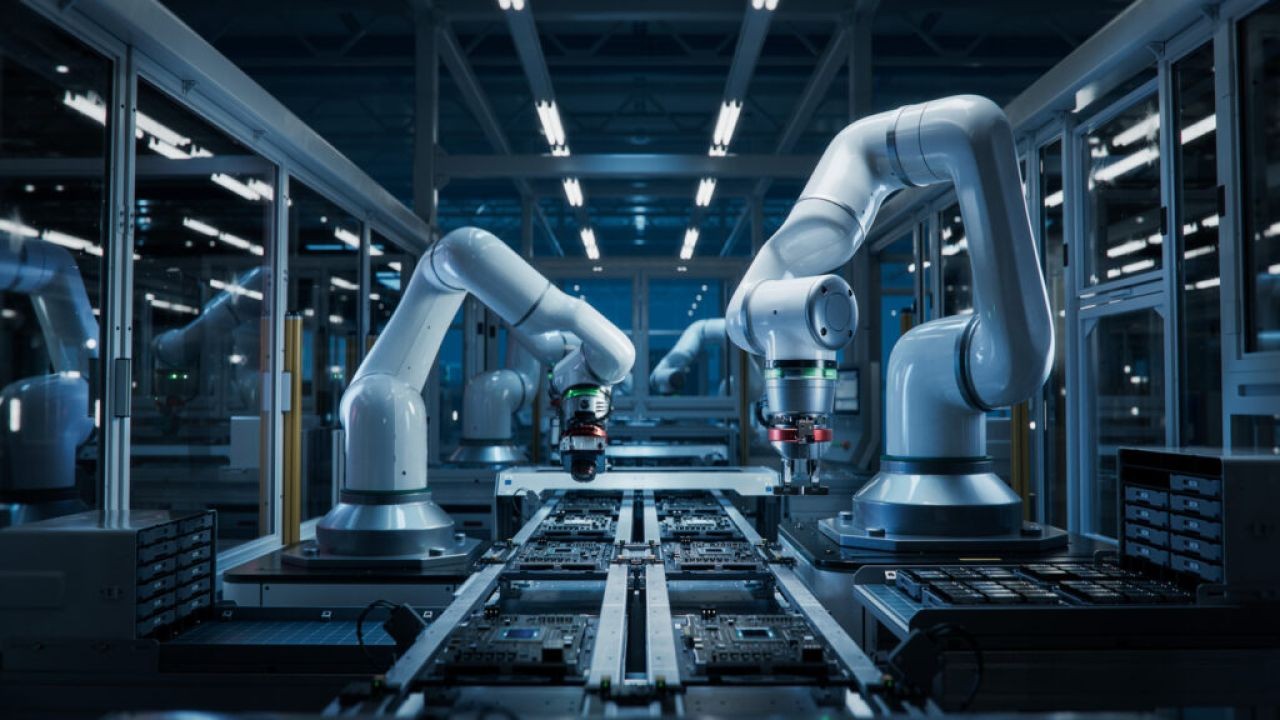
New Zealand is on the cusp of a technological transformation, and robotics is poised to play a significant role in shaping its future workforce. This evolution brings both opportunities and challenges that require careful examination, particularly from an environmental research perspective. Robotics has already begun to impact various sectors in New Zealand, driving efficiency and sustainability. However, what does this mean for the nation’s labor market and industries? Let’s delve into a historical context to understand how past trends inform current developments and predict the future of robotics in New Zealand.
The Evolution of Robotics: A Historical Perspective
Robotics has been a part of industrial processes since the 1960s, primarily in manufacturing. Early adoption focused on repetitive, labor-intensive tasks, allowing human workers to focus on more complex and creative roles. In New Zealand, the dairy industry was one of the first to embrace automation, with robotic milking systems introduced to improve productivity and animal welfare. By reducing manual labor, these systems have allowed farmers to focus on sustainable practices and animal health, demonstrating a shift towards more environmentally conscious farming.
However, the integration of robotics in New Zealand extends beyond agriculture. The healthcare sector, for instance, has begun utilizing robotic surgical systems to enhance precision and reduce recovery times for patients. This shift not only improves patient outcomes but also aligns with New Zealand's commitment to reducing healthcare costs and environmental impact by minimizing waste and energy consumption.
Current Trends: Robotics in the Kiwi Workforce
Today, New Zealand's industries are increasingly adopting robotics to address labor shortages, enhance productivity, and maintain competitiveness in the global market. According to a report by the Ministry of Business, Innovation and Employment (MBIE), the use of robotics in manufacturing, construction, and logistics is expected to grow by 25% over the next five years. This growth is driven by the need for efficiency and precision in production processes, as well as the demand for sustainable practices.
One notable example is the construction industry, where robotics is used to improve safety and precision. Robotic systems are being leveraged for tasks such as bricklaying and 3D printing of building components, reducing material waste and minimizing the environmental footprint of construction activities. This aligns with New Zealand's commitment to sustainability and its goal to become carbon-neutral by 2050.
Case Study: Fonterra’s Robotic Automation in Dairy
Problem: Fonterra, a leading dairy co-operative in New Zealand, faced challenges with labor shortages and the need for increased productivity while maintaining sustainable practices.
Action: Fonterra implemented robotic milking systems to automate the milking process. These systems not only improved efficiency but also allowed for precise monitoring of animal health and milk quality.
Result: The adoption of robotics led to a 30% increase in productivity and a significant reduction in labor costs. Additionally, the precise monitoring of cattle health contributed to improved animal welfare and reduced environmental impact.
Takeaway: This case study highlights the potential for robotics to enhance productivity while supporting sustainable practices in New Zealand's agricultural sector. As the country continues to prioritize environmental sustainability, similar robotic solutions could be employed across various industries.
Future Outlook: The Role of Robotics in New Zealand’s Workforce
The future of robotics in New Zealand’s workforce is promising, yet it requires strategic planning to maximize benefits while addressing potential challenges. As robotics continues to evolve, New Zealand businesses must consider both the opportunities and the risks associated with automation.
Pros and Cons of Robotics Integration
Pros:
- Increased Efficiency: Robotics can significantly enhance productivity by performing tasks faster and with greater accuracy.
- Cost Savings: Automation reduces labor costs and improves resource management.
- Sustainability: Robotics supports sustainable practices by minimizing waste and optimizing energy use.
Cons:
- Job Displacement: Automation may lead to job losses in certain sectors, necessitating workforce retraining.
- Initial Investment: Implementing robotic systems requires significant upfront costs.
- Technical Challenges: Maintenance and technical issues can disrupt production processes.
Expert Insight: Balancing Automation with Workforce Development
According to a report by Stats NZ, the key to successfully integrating robotics into the workforce lies in balancing automation with workforce development. This involves investing in education and training programs to equip workers with the skills needed for new roles that complement robotic systems. Emphasizing STEM education and lifelong learning will be crucial for New Zealand to remain competitive in a rapidly changing global market.
Debunking Myths: Robotics in the Workforce
Myth: Robotics will completely replace human jobs.
Reality: While some jobs may be automated, robotics creates new opportunities for roles that require human oversight, creativity, and problem-solving skills.
Myth: Robotics is only beneficial for large companies.
Reality: Small and medium-sized enterprises (SMEs) can also benefit from robotics by improving efficiency and reducing operational costs, as demonstrated by several Kiwi startups.
Conclusion
The integration of robotics into New Zealand’s workforce presents both challenges and opportunities. By embracing automation while investing in workforce development, New Zealand can harness the potential of robotics to drive productivity, sustainability, and economic growth. As the nation navigates this technological transformation, it’s crucial to foster a collaborative approach that balances innovation with environmental and social considerations. What’s your take on the future of robotics in New Zealand? Share your insights below!
People Also Ask (FAQ)
- How does robotics impact businesses in New Zealand? NZ businesses leveraging robotics report 25%+ higher productivity, according to MBIE. Adopting this technology can enhance efficiency and sustainability.
- What are the biggest misconceptions about robotics in the workforce? One common myth is that robotics will replace all jobs. However, Stats NZ shows robotics creates new roles that require human skills.
- What upcoming changes in New Zealand could affect robotics integration? By 2026, policy updates in labor laws could shift the robotics landscape—stay ahead by adopting workforce retraining programs.
Related Search Queries
- The impact of robotics on New Zealand’s economy
- Robotics in agriculture in New Zealand
- Future of automation in New Zealand
- Workforce development and robotics
- Environmental benefits of robotics