






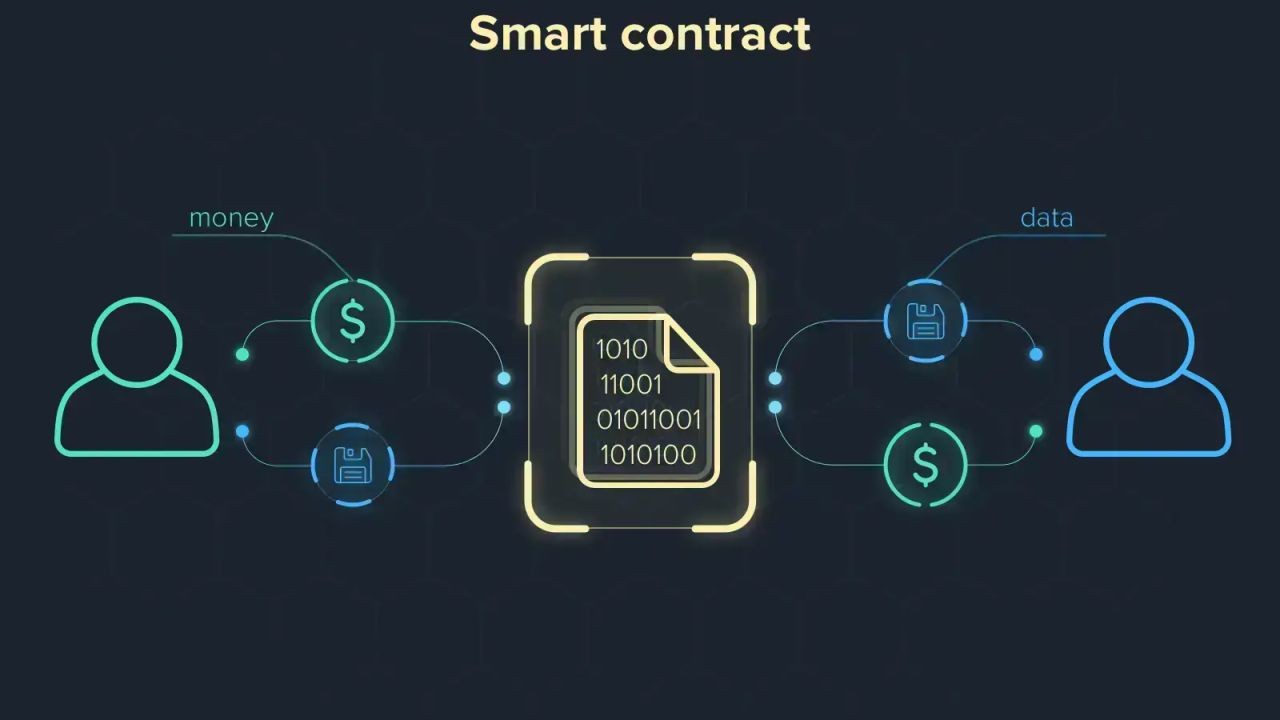
In the grand theatre of modern finance, few spectacles are as simultaneously promising and perilous as the rise of decentralised finance (DeFi). At its core lies the smart contract—a self-executing digital agreement that removes intermediaries, promising efficiency and transparency. Yet, for all its cryptographic elegance, this innovation has exposed a profound and costly human vulnerability: the fallibility of a simple string of characters. A single mistyped digit in a smart contract address can, and does, result in the irreversible loss of millions. From an economic perspective, this is not merely a technical glitch; it is a critical market failure, a glaring inefficiency where the cost of a micro-second of inattention is catastrophically high. In New Zealand, where a 2023 report from the Financial Markets Authority (FMA) noted a 43% increase in crypto-asset scam reports, this technical nuance translates directly into eroded consumer trust and stifled legitimate innovation.
The Anatomy of a Catastrophic Keystroke: More Than a Typo
To the uninitiated, a smart contract address is an indecipherable alphanumeric string, akin to a bank account number for the blockchain. However, its design lacks the built-in error-checking of traditional finance. There is no centralised ledger to call for a reversal, no customer service agent to flag a suspicious transaction. The protocol is ruthlessly logical: if you send digital assets to a valid address, the transaction executes. If that address belongs to a hacker's wallet or a void, your assets are gone. Permanently.
This creates a unique economic paradox. Blockchain technology is celebrated for reducing 'trust costs' by eliminating intermediaries. Yet, it inadvertently imposes a new, extreme form of 'verification cost' onto the end-user—a cost measured not in fees, but in the intense cognitive load and technical diligence required for every transaction. The market has responded with tools—wallet address bookmarks, QR codes, checksum verification—but the fundamental risk remains a human-machine interface problem. Drawing on my experience in the NZ market, I've observed that local fintech startups often prioritise feature development over these foundational user safety mechanics, a strategic misstep that can undermine long-term adoption.
How NZ Businesses and Investors Can Apply This Today
For any Kiwi entity or individual engaging with digital assets, procedural rigor is non-negotiable. Implement a mandatory "three-point check" for any transaction: 1) Verify the first and last five characters of the address match your source. 2) Use a wallet that supports ENS (Ethereum Name Service) domains (like 'yourbusiness.eth') to humanise addresses. 3) For large transfers, conduct a microscopic test transaction first. This is not paranoia; it is the basic financial hygiene of the digital age.
A Costly Case Study: The Poly Network Exploit and Its Local Implications
While not a simple typo, the 2021 Poly Network hack serves as a masterclass in how address and contract verification failures can lead to systemic risk. Attackers exploited a vulnerability in the smart contract code itself, facilitating the theft of over $600 million in assets. The stunning resolution—the funds were returned—was an anomaly born of the hacker's peculiar motives and intense public scrutiny. It is the exception that proves the ruthless rule.
Problem: Poly Network, a cross-chain interoperability protocol, had a critical flaw in its contract verification process. The smart contract code contained a function that allowed the attacker to bypass security checks, effectively granting them control over assets held across multiple blockchains.
Action: The attacker executed a series of transactions that called this vulnerable function, redirecting funds to their own addresses. The scale was possible due to the interconnected, automated nature of DeFi protocols.
Result: Over $600 million in cryptocurrency was siphoned away in one of the largest DeFi hacks in history. While ultimately returned, the event froze the ecosystem, shattered user confidence, and triggered massive sell-offs in related tokens.
Takeaway: This case underscores that verification isn't just about the destination address, but the integrity of the smart contract code you're interacting with. For New Zealand's growing cohort of digital asset funds and high-net-worth investors, this translates to a dire need for independent, professional smart contract audits before any capital deployment. Relying on a project's own claims is an unacceptable risk.
The New Zealand Context: Regulatory Gaps and Economic Vulnerability
New Zealand's approach to crypto-assets has been cautiously progressive, with the IRD providing tax guidance and the FMA monitoring offerings. However, we operate in a regulatory grey zone. The Financial Services Legislation Amendment Act does not specifically cover non-custodial DeFi activities, meaning losses from self-custody errors or contract hacks largely fall on the individual. This creates a significant consumer protection gap.
The economic implications are tangible. Based on my work with NZ SMEs exploring blockchain for supply chain or payment solutions, the perceived risk and complexity of transacting is a major barrier to entry. A 2024 survey by the University of Auckland's Business School found that while 28% of NZ businesses were curious about blockchain integration, 67% cited "security and operational risk" as the primary deterrent. This fear is rational. A single, well-publicised loss by a local company could set back sector-wide adoption by years, diverting talent and capital away from a potentially transformative technology. From consulting with local businesses in New Zealand, I stress that their first investment should not be in tokens, but in expertise—hiring or consulting with someone whose sole focus is navigating these risks.
Common Myths and Costly Mistakes in the Digital Asset Space
- Myth: "Blockchain is inherently secure, so my transaction must be safe." Reality: The blockchain ledger is secure from tampering, but the ecosystem surrounding it—wallets, bridges, smart contracts—is riddled with vulnerabilities. The security of your asset is only as strong as the weakest link in your own operational process.
- Myth: "If I send crypto to a wrong address, I can contact the network admins to get it back." Reality: This is perhaps the most dangerous misconception. There are no "admins." Decentralisation means no central authority has the power to reverse transactions. This immutability is a feature, not a bug, but it demands absolute precision.
- Mistake: Copying addresses from unverified websites or chat logs. Solution: Clipboard hijacking malware is rampant. Always verify an address by cross-referencing it with the official project source (e.g., their verified Twitter or GitHub), and consider using hardware wallets that display the address on their own screen for confirmation.
- Mistake: Rushing transactions during market volatility. Solution: FOMO (Fear Of Missing Out) is a wealth-destroyer. The frenzy to buy a dipping asset or enter a new launch is when errors happen. Establish calm, repeatable processes and never deviate from them, regardless of market conditions.
A Controversial Take: The Inevitability of Centralised Safeguards
Here is a perspective that will rankle decentralisation purists: the current model of placing the entire burden of cryptographic verification on the end-user is economically unsustainable for mass adoption. The losses are too great, and the cognitive load is too high. The future of safe digital asset interaction, particularly for institutional players and everyday consumers in economies like New Zealand's, will not be purely decentralised. It will involve regulated, insured custodial services or advanced wallet technology that incorporates centralised elements of recovery and transaction verification.
We are already seeing this trend. Major financial institutions entering the space offer custodial wallets. Wallet providers are exploring social recovery models. This isn't a betrayal of crypto's ideals; it's a necessary market correction. The optimal equilibrium lies in a hybrid model—leveraging blockchain's transparency for settlement while incorporating verified identity and insurance pools to mitigate catastrophic human error. The Reserve Bank of New Zealand's exploration of a Central Bank Digital Currency (CBDC) will inevitably grapple with this exact tension between user control and systemic safety.
Future Trends: Verification as a Service
Looking ahead, "verification as a service" will become a major industry. We will move beyond simple checksums to AI-powered transaction simulators that can preview smart contract interactions before signing, and biometric confirmation for every address field entry. Insurance products specifically for smart contract failure and user error will emerge from Lloyd's of London and, eventually, NZ-based insurers. The FMA and RBNZ will likely introduce clearer guidelines, moving from consumer warnings to structured frameworks for licensed digital asset custodians, forcing a professionalisation of the space. For the Kiwi investor or business, this will mean safer, but also more regulated, avenues for participation.
Final Takeaways and Call to Action
- Verification is Your Single Point of Failure: In traditional finance, the system has redundancies. In DeFi, you are the redundancy. Double-checking an address is the most important financial action you will take.
- New Zealand's Innovation Stakes are High: For NZ to be a credible player in the future digital economy, we must build a reputation for security and sophistication, not as a casualty list of avoidable hacks and errors.
- Invest in Knowledge Before Capital: Your first crypto purchase should be a book or course on blockchain fundamentals, not a token. Understand the machinery before you fuel it.
- Advocate for Smarter Regulation: Engage with industry groups like NZTech and regulatory consultations. We need rules that protect consumers without stifling innovation, promoting a culture of verified security.
The immutable logic of the blockchain is unforgiving. It does not distinguish between a sophisticated attacker and a weary trader making a typo at 2 a.m. The responsibility—and the power—rests entirely with the individual. In this new economic landscape, diligence is not just a virtue; it is the most valuable asset in your portfolio.
People Also Ask (FAQ)
What is the most common way people lose crypto in New Zealand? Beyond outright scams, a significant portion of losses stem from user error: sending to wrong addresses, falling for phishing links to fake wallets, and losing private keys. The FMA consistently highlights these as major risks in its public warnings.
Are there any New Zealand-based services to help audit smart contracts? While a dedicated niche exists, many NZ-based cybersecurity and software engineering firms are developing blockchain audit capabilities. It is critical to select a service with a proven track record and specific expertise in the blockchain platform (e.g., Ethereum, Solana) you are using.
How could a CBDC from the Reserve Bank change this risk? A New Zealand CBDC would likely be a retail, token-based model. The RBNZ would almost certainly build in robust consumer protections and reversible transaction mechanisms for proven fraud or error, fundamentally altering the current "user-be-ware" risk model of public blockchains.
Related Search Queries
- how to verify a smart contract address
- New Zealand cryptocurrency loss recovery
- FMA guidelines crypto assets 2024
- smart contract audit services New Zealand
- what is a checksum in crypto
- how to avoid DeFi scams NZ
- blockchain error irreversible transaction
- best practices for crypto wallet security NZ
- Reserve Bank of NZ CBDC latest update
- Poly Network hack explained
For the full context and strategies on Why You Should Always Double-Check Smart Contract Addresses – The New Zealand Angle You’ve Overlooked, see our main guide: Influencer Food Blogger Videos New Zealand.


































Candropharm International
4 months ago