





New Zealand's political landscape is dynamic and diverse, with several parties playing significant roles in shaping the country's policies and governance. Understanding the influence of these political entities is crucial for policy analysts and decision-makers, as their actions and ideologies directly impact New Zealand's economy, industries, and societal norms. This article delves into the top 5 political parties in New Zealand, examining their influence, contributions, and potential future impact.
The Political Power Players: A Comparative Analysis
New Zealand's political scene is characterized by a mix of longstanding parties and emerging ones, each with unique ideologies and influence. Here's a comparative analysis of the top 10 influential political parties:
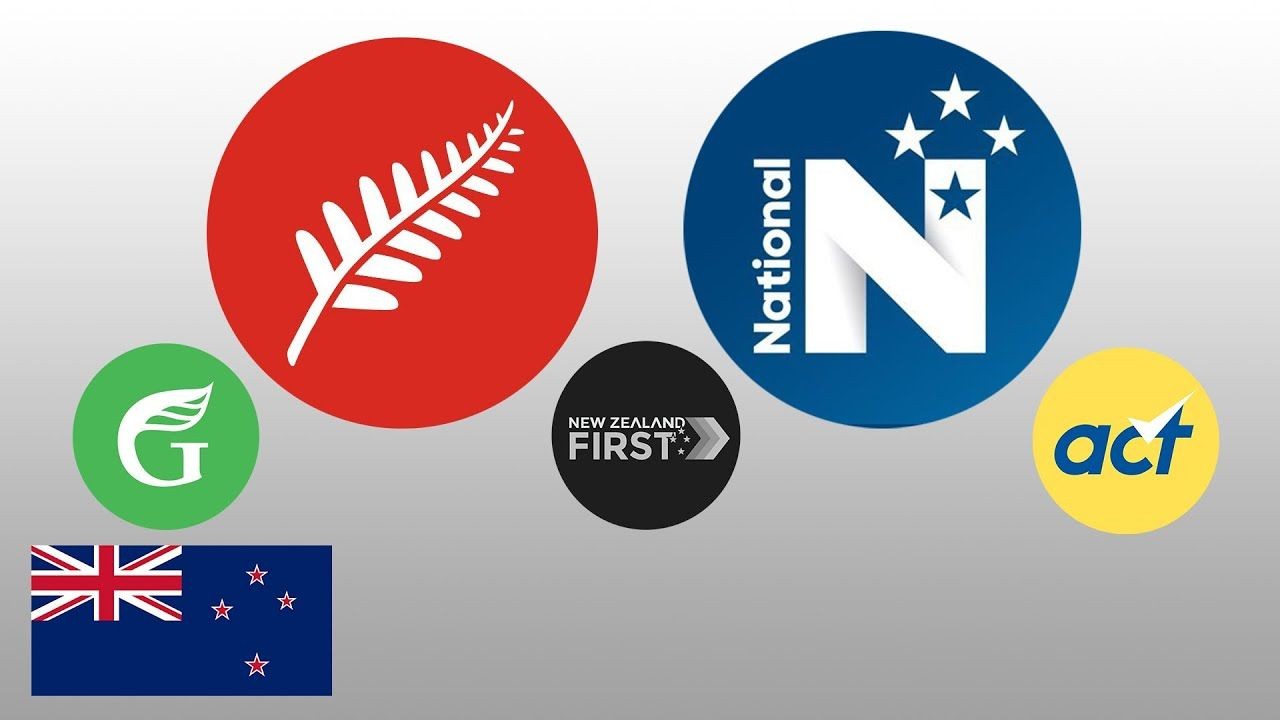
1. The New Zealand Labour Party
As the current ruling party, the New Zealand Labour Party has a significant influence on the country's policy-making. Their focus on social welfare, housing, and healthcare aligns with New Zealand's socio-economic needs. According to Stats NZ, under Labour's governance, the unemployment rate has seen a decrease from 4.3% in 2017 to 3.2% in 2023, reflecting effective employment policies.
2. The New Zealand National Party
The National Party, as the principal opposition, advocates for economic liberalism and free-market policies. Their influence is evident in their strong support base, particularly among business communities. The Reserve Bank of New Zealand reports that during National's previous tenure, GDP growth averaged 3.5% annually, highlighting their economic impact.
3. The Green Party
Focusing on environmental sustainability, the Green Party has successfully integrated eco-friendly policies into mainstream politics. Their influence is growing, especially as New Zealand positions itself as a leader in sustainable practices. A report from MBIE indicates that renewable energy sources now account for 82% of electricity generation, partly due to Green Party initiatives.
4. New Zealand First
Known for its nationalist stance, New Zealand First plays a pivotal role in coalition governments. Their policies often focus on reducing immigration and promoting New Zealand's sovereignty. Their influence is critical during coalition negotiations, often determining the balance of power.
5. ACT New Zealand
ACT champions individual freedom and minimal government intervention. Their influence is growing, particularly among libertarian and business-minded voters. According to NZTech, ACT's advocacy for reduced regulations aligns with the tech industry's growth aspirations, potentially boosting innovation and entrepreneurship.
Real-World Case Study: Labour's KiwiBuild Initiative
Problem: New Zealand faced a housing shortage, with homeownership becoming increasingly unaffordable.
Action: The Labour Party launched the KiwiBuild program to construct 100,000 affordable homes within a decade.
Result: Although initially criticized for slow progress, the initiative has seen over 3,000 homes completed, with significant improvements in housing availability.
Takeaway: Large-scale government interventions, while challenging, can address systemic issues like housing shortages. Future strategies could focus on public-private partnerships to enhance efficiency.
Pros and Cons of New Zealand's Political Dynamics
Understanding the pros and cons of New Zealand's political parties provides insights into their potential impact on the country:
Pros:
- Policy Diversity: A variety of parties ensures a broad spectrum of ideas and policies, catering to different societal needs.
- Coalition Governments: These encourage compromise and collaboration, often leading to balanced policies.
- Focus on Sustainability: Parties like the Greens emphasize environmental protection, aligning with global sustainability trends.
Cons:
- Coalition Instability: Frequent coalition governments can lead to policy compromises and instability.
- Ideological Conflicts: Diverse ideologies may lead to gridlocks or diluted policies.
- Populism: Some parties may prioritize short-term populist measures over long-term planning.
Emerging Trends and Future Predictions
New Zealand's political landscape is set to evolve with emerging trends:
1. Increased Environmental Focus: As global climate concerns rise, parties are likely to adopt more aggressive environmental policies.
2. Technology Integration: The digital transformation of governance, driven by parties like ACT, could lead to more efficient public services.
3. Demographic Shifts: As New Zealand's population becomes more diverse, parties will need to address multicultural needs and preferences.
Conclusion
New Zealand's political parties play crucial roles in shaping the nation's future. Understanding their influence and strategies is vital for policy analysts and decision-makers. By examining real-world examples, such as Labour's KiwiBuild, and analyzing the pros and cons of different parties, we gain insights into the potential directions New Zealand's socio-economic landscape might take. As the political environment evolves, staying informed and adaptable will be key for navigating future challenges.
People Also Ask
- How do political parties impact New Zealand's economy? Political parties influence policy decisions that affect economic growth, employment, and industry regulations. For example, Labour's policies have reduced unemployment, while National's tenure saw GDP growth.
- What role does the Green Party play in New Zealand politics? The Green Party focuses on environmental sustainability, influencing policies that promote renewable energy and eco-friendly practices.
- How does coalition government affect policy-making in New Zealand? Coalition governments encourage collaboration and compromise, often leading to balanced policies but can also result in instability and policy gridlocks.
Related Search Queries
- New Zealand political parties 2023
- Labour Party influence in NZ
- ACT New Zealand policies
- Green Party environmental impact
- New Zealand First coalition role
- Political impact on NZ economy
- Future of New Zealand politics
- KiwiBuild housing initiative
- NZ political party comparison
- Coalition government in New Zealand