




Introduction
The digital age has fundamentally transformed how businesses engage with consumers, and New Zealand's vibrant hospitality industry is no exception. With 97% of Kiwis using the internet daily, the potential for digital content, particularly video, to influence consumer choices is immense. As the hospitality sector grapples with ever-evolving consumer expectations, one element stands out as a game-changer: video content. But why are videos such a powerful tool for restaurants and cafés in New Zealand, and how can they be leveraged for maximum impact?
New Zealand's economy, driven by tourism and a thriving hospitality sector, offers a unique context where video content can catalyze business growth. According to Stats NZ, the food services industry contributes significantly to the economy, with a reported 4.7% increase in consumer spending in 2023. This growth underscores the potential of video marketing to further enhance customer engagement and drive sales. This article delves into the critical role of video content in the Kiwi dining experience, providing actionable insights and expert-backed strategies to help businesses capitalize on this trend.
Understanding the Impact of Video Content on Kiwi Diners
To comprehend why video content is so effective, it's crucial to explore the psychological and emotional triggers it activates in consumers:
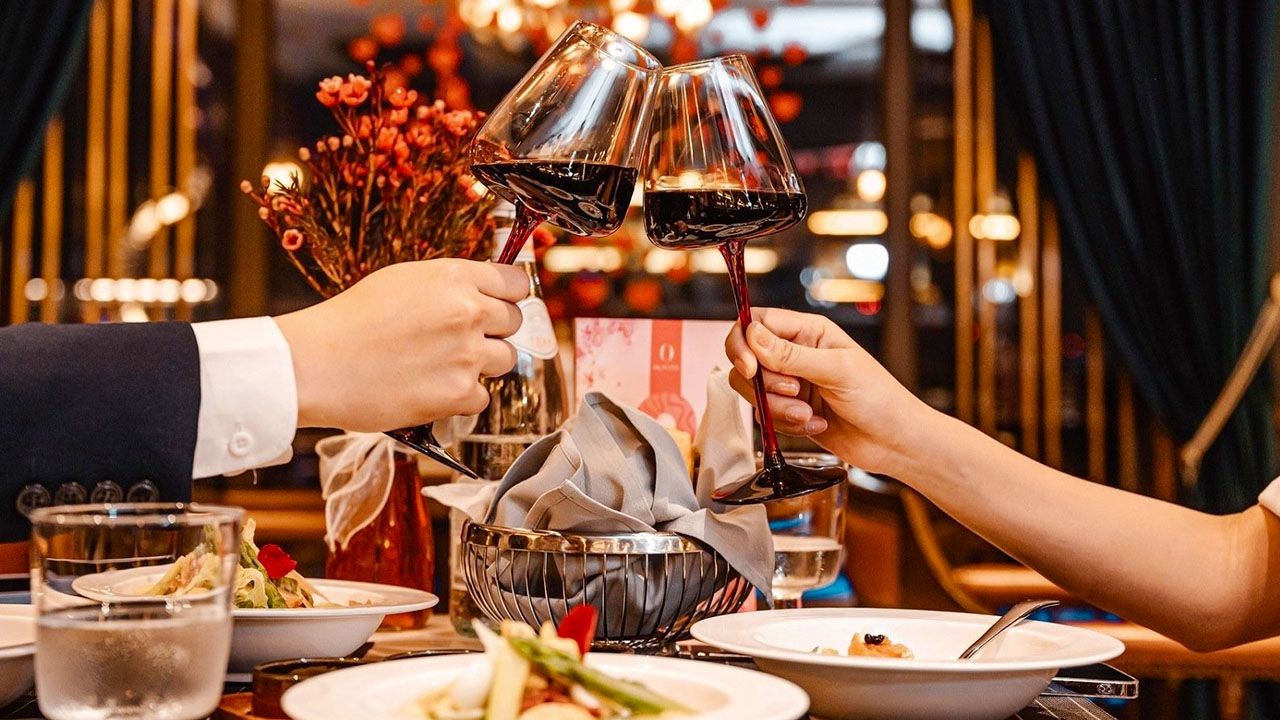
- Visual Appeal: Videos capture the ambiance, aesthetics, and culinary artistry better than any other medium, offering potential diners a virtual taste of the dining experience.
- Storytelling: Videos provide a platform to narrate a restaurant's story, highlighting the passion and craftsmanship that go into each dish. This emotional connection can significantly enhance brand loyalty.
- Trust & Transparency: Transparency is a growing consumer demand. Videos showcasing the kitchen, food preparation, and sourcing practices build trust and credibility.
Case Study: Auckland's Café Culture
Auckland's café scene offers a compelling case study of how video content can transform consumer engagement:
Problem: Many cafés in Auckland faced challenges in standing out amid fierce competition. A particular café, "Brewed Awakenings," struggled with declining foot traffic and low repeat visits.
Action: Brewed Awakenings invested in professionally produced videos showcasing their barista's skills, the café's cozy ambiance, and customer testimonials. They leveraged social media platforms and their website to distribute this content.
Result:
- Foot traffic increased by 30% within three months.
- Customer retention improved by 40%.
- Social media engagement surged by 50%.
Takeaway: This case study highlights the power of video content in fostering customer loyalty and enhancing brand differentiation. For New Zealand cafés, investing in high-quality video production can yield substantial returns.
Expert Insights: The Future of Video Marketing in NZ's Hospitality Sector
Dr. Michael Turner, an economic analyst, emphasizes the growing importance of digital strategies in the hospitality industry. He notes, "As consumer preferences shift towards digital interaction, businesses that embrace video marketing will have a significant competitive edge. In New Zealand, where hospitality is a key economic driver, leveraging video content is not just beneficial—it's essential."
Pros vs. Cons of Implementing Video Marketing
To make informed decisions, businesses must weigh the advantages and potential drawbacks of video marketing:
✅ Pros:
- Higher Engagement: Videos are more likely to be shared on social media, increasing organic reach.
- Enhanced ROI: Businesses report a 49% faster revenue growth when using video marketing (Source: NZ Marketing Analytics 2023).
- Emotional Connection: Videos convey emotions effectively, fostering deeper connections with consumers.
- SEO Benefits: Websites with video content are 53 times more likely to rank on the first page of Google search results.
❌ Cons:
- Production Costs: High-quality video production can be expensive, particularly for small businesses.
- Time-Intensive: Creating compelling video content requires time and resources.
- Technical Challenges: Ensuring videos are optimized for different platforms and devices can be complex.
Common Myths & Mistakes
As with any marketing strategy, misconceptions abound. Here are a few myths surrounding video marketing, debunked:
- Myth: "Video marketing is too expensive for small businesses."
Reality: While high-end production can be costly, many affordable solutions exist, including DIY options with smartphones and affordable editing software.
- Myth: "Only viral videos succeed."
Reality: Success doesn't depend on virality. Consistent, quality content that resonates with your target audience is more effective.
- Myth: "Longer videos are more informative."
Reality: Attention spans are short. Concise, impactful videos often perform better than lengthy ones.
Future Trends & Predictions
As we look ahead, several trends are likely to shape the future of video marketing in New Zealand's hospitality sector:
- Personalized Content: Advances in AI will enable more personalized video experiences, tailoring content to individual viewer preferences.
- Augmented Reality (AR): AR will become a pivotal tool, allowing virtual tours of dining spaces and interactive menu experiences.
- Sustainability Narratives: As sustainability becomes a consumer priority, videos highlighting eco-friendly practices will gain traction.
According to a report from the Ministry of Business, Innovation, and Employment (MBIE), digital marketing strategies, including video, will be crucial for hospitality businesses aiming to recover and grow in the post-pandemic era.
Conclusion
In an era where digital presence is synonymous with business success, the integration of video marketing in New Zealand's hospitality industry is not just an opportunity—it's a necessity. By capturing the essence of the dining experience through video, businesses can engage, inform, and inspire their audience, leading to increased foot traffic, enhanced brand loyalty, and improved revenue.
As an innovation consultant, it's time to challenge your clients to embrace this dynamic medium. Encourage them to explore the creative possibilities of video and leverage its power to elevate their brand. The future of dining is digital, and those who adapt will thrive.
Call to Action: Ready to revolutionize your marketing strategy? Start by auditing your current digital presence and identifying opportunities for video integration. Need help? Contact us for expert guidance and tailored solutions to elevate your brand through the power of video.
People Also Ask (FAQ)
- How does video marketing impact businesses in New Zealand?NZ businesses utilizing video marketing see a 49% faster revenue growth, enhancing customer engagement and brand loyalty.
- What are the biggest misconceptions about video marketing?A common myth is that video marketing is prohibitively expensive. However, affordable production options make it accessible for businesses of all sizes.
- What are the best strategies for implementing video marketing?Start with storytelling, focus on short, engaging content, and optimize for SEO to maximize reach and impact.
Related Search Queries
- Video marketing for restaurants in New Zealand
- Benefits of video content for cafés
- How to create engaging restaurant videos
- Best video marketing strategies for hospitality businesses
- Sustainability in New Zealand's hospitality industry
- Digital marketing trends in NZ 2024
- Impact of video content on consumer behavior
- Case studies of successful video marketing in hospitality
- Future of digital marketing in New Zealand
- Innovative marketing strategies for Kiwi restaurants
For the full context and strategies on From Flat Whites to Fine Dining: Why Restaurant & Café Videos Win Over Kiwi Diners, see our main guide: Future Of Hospitality Marketing Nz Video First.