





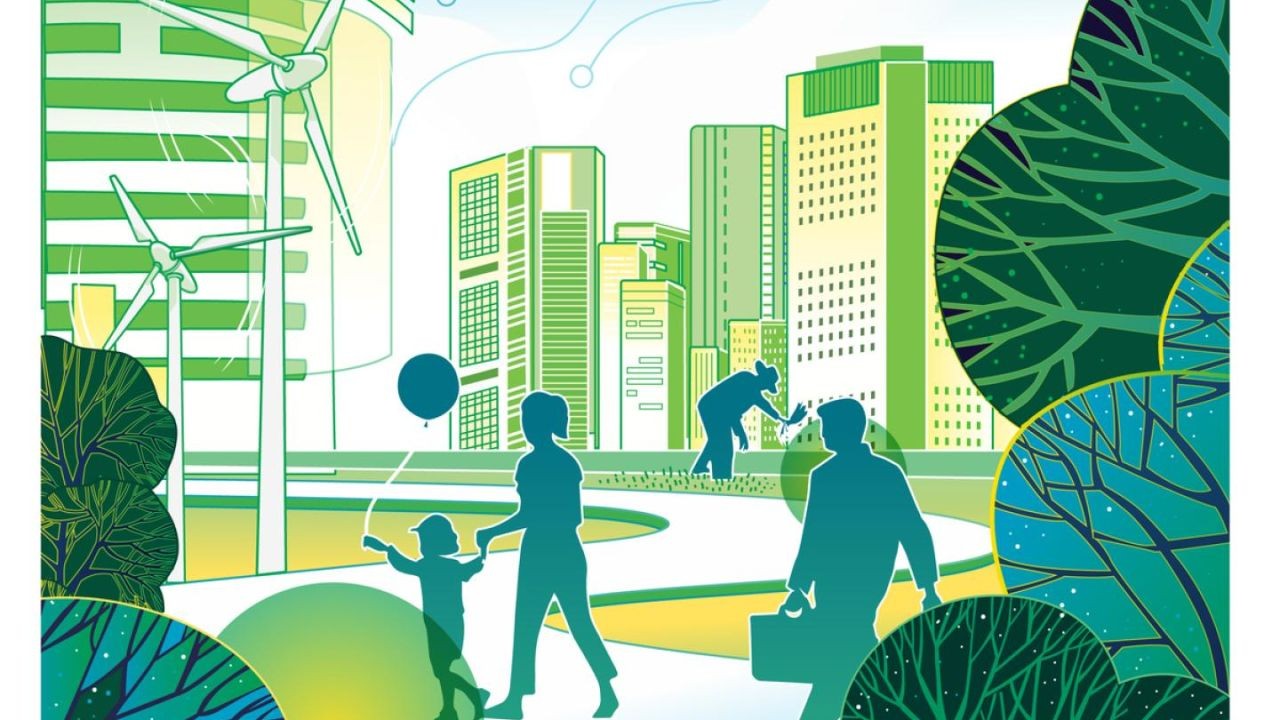
In recent years, New Zealand has witnessed a remarkable transformation in its economic landscape, driven by a global shift towards sustainability. The green economy, characterized by environmentally friendly and resource-efficient practices, is not only fostering innovation but also creating numerous job opportunities across the nation. Understanding this evolution is crucial for economic strategists, policymakers, and businesses aiming to capitalize on the emerging trends. Let's delve into how the green economy is reshaping job creation in New Zealand, backed by data, real-world examples, and expert insights.
The Evolution of the Green Economy in New Zealand
The green economy concept has gradually evolved from a niche initiative to a mainstream economic driver. The Ministry of Business, Innovation and Employment (MBIE) reports that the green economy contributed approximately NZD 18.6 billion to the national GDP in 2022, highlighting its growing significance. In the past decade, New Zealand has implemented various policies and initiatives to promote sustainable practices, such as the Emissions Trading Scheme and the Zero Carbon Act, which have bolstered green industries.
Case Study: Meridian Energy – Pioneering Renewable Energy
Problem: Meridian Energy, one of New Zealand’s leading electricity generators, faced the challenge of transitioning from traditional energy sources to renewables without compromising reliability or profitability. The demand for cleaner energy was increasing, and they needed to adapt swiftly.
Action: Meridian invested heavily in wind and hydroelectric power projects, embracing innovative technologies to improve efficiency. They collaborated with local communities to ensure sustainable development and fostered partnerships with international firms to leverage global expertise.
Result: Over five years, Meridian increased its renewable energy output by 30%, reduced carbon emissions significantly, and reported a 20% increase in profitability. This success exemplifies the potential of the green economy to drive both environmental and economic benefits.
Takeaway: Meridian Energy's journey underscores the importance of strategic investments in renewable technologies. New Zealand businesses can learn from their model, prioritizing sustainable development to achieve long-term growth.
Data-Driven Insights: The Impact of the Green Economy on Employment
According to Stats NZ, the green economy sector has created over 50,000 jobs nationwide, with projections indicating a potential increase of 25% by 2030. This growth is primarily fueled by renewable energy, waste management, and sustainable agriculture industries. The transition towards a low-carbon economy requires new skills, leading to increased demand for roles such as environmental scientists, renewable energy technicians, and sustainability consultants.
Balanced Contrasting Viewpoints: Opportunities vs. Challenges
The green economy presents both opportunities and challenges. On one hand, it offers significant potential for job creation, innovation, and economic diversification. On the other hand, it requires substantial investment, policy support, and workforce retraining, which can be daunting for some businesses.
Pros:
- Job Creation: The green economy is generating thousands of new jobs across various sectors.
- Economic Diversification: It reduces reliance on traditional industries, fostering resilience.
- Environmental Benefits: Contributes to reduced carbon emissions and improved air quality.
Cons:
- High Initial Costs: Transitioning to sustainable practices requires significant upfront investment.
- Skill Gaps: There is a need for specialized training to equip the workforce with new skills.
- Regulatory Challenges: Navigating environmental regulations can be complex and time-consuming.
Debunking Common Myths About the Green Economy
- Myth: The green economy is only about renewable energy. Reality: While renewable energy is a significant component, the green economy encompasses diverse sectors, including sustainable agriculture, eco-friendly manufacturing, and green finance.
- Myth: Sustainable practices are too costly for businesses. Reality: Although initial investments can be high, sustainable practices often lead to cost savings through energy efficiency and waste reduction in the long term.
- Myth: Green jobs are low-paying and low-skilled. Reality: Many green jobs require advanced skills and offer competitive salaries, reflecting the growing demand for expertise in sustainability.
Future Trends & Predictions
Looking ahead, the green economy is poised to become a cornerstone of New Zealand’s economic strategy. By 2030, it is predicted that green sectors will account for over 15% of the national workforce, driven by technological advancements and policy support. The Reserve Bank of New Zealand’s recent report emphasizes the importance of sustainable finance, urging businesses to integrate environmental considerations into their financial decision-making.
Conclusion: Navigating the Green Economy
New Zealand stands at the forefront of the green economy revolution, with ample opportunities for businesses and workers alike. To harness its full potential, economic strategists must focus on fostering innovation, facilitating workforce development, and advocating for supportive policies. As the green economy continues to evolve, businesses that embrace sustainability will not only contribute to environmental preservation but also secure a competitive edge in the global market.
If you found this analysis insightful, share your thoughts below and join the discussion on how New Zealand can lead the charge in the global green economy!
People Also Ask
- How does the green economy impact job creation in New Zealand? The green economy is expected to create over 50,000 jobs by 2030, particularly in renewable energy and sustainable agriculture, according to Stats NZ.
- What sectors benefit the most from the green economy? Sectors such as renewable energy, waste management, and sustainable agriculture are experiencing the most significant growth and job creation.
- What challenges do businesses face in transitioning to the green economy? Businesses face challenges such as high initial costs, skill gaps, and complex regulatory requirements when transitioning to sustainable practices.
Related Search Queries
- Green economy jobs in New Zealand
- Sustainable business practices in NZ
- Renewable energy industry trends New Zealand
- Environmental policy impact on NZ economy
- Future of green jobs in New Zealand